
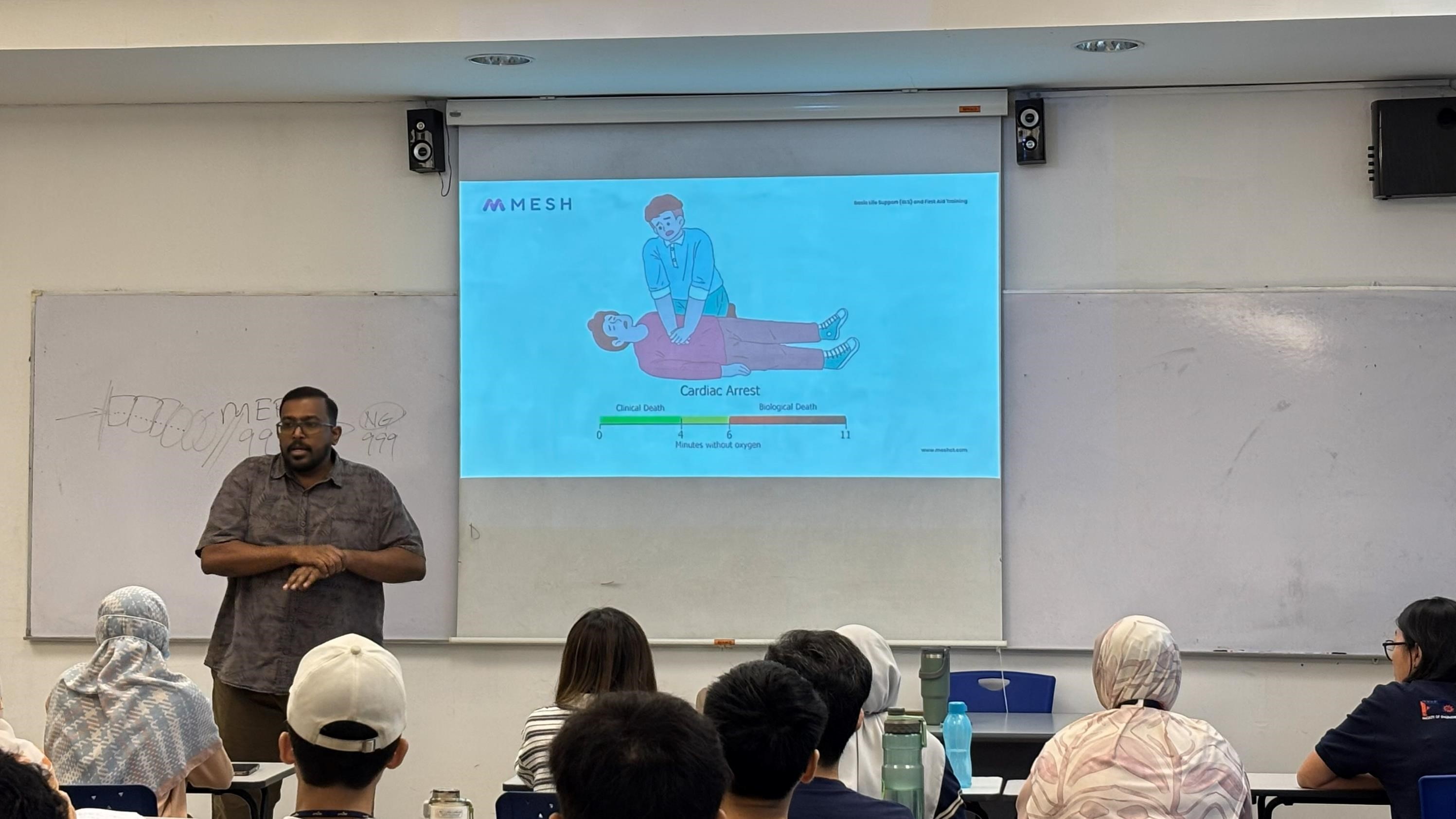
Mr Devendraraj explaining the right way to perform CPR
The basic first aid training workshop was successfully conducted on 5 December 2025 at UTAR Kampar Campus. It was organised by the Occupational Safety and Health Committee of the Centre for Foundation Studies Kampar, with the aim of equipping participants with essential first aid knowledge and practical skills to respond effectively to common injuries and everyday medical emergencies, and to enhance participants’ confidence and preparedness in handling such situations in personal and community settings.
The workshop provided a comprehensive foundation in first aid theory, emphasising critical “Dos and Don’ts” for initial response. Participants learnt that the cornerstone to any emergency intervention is to immediately call professional medical services, because time, as stressed by the trainer, is a crucial factor in saving lives and reducing long-term disability. The trainer, Mr Devendraraj also highlighted the importance of keeping both the responder and victim safe, including calming the individual and positioning them appropriately while keeping them company.
Another highlight of the workshop was the session on managing specific life-threatening emergencies. For incidents like fainting and stroke, the trainer advised participants to focus on recognition, safe positioning, and continuous monitoring until help arrives. This was followed by an in-depth coverage of cardiopulmonary resuscitation (CPR), where distinct techniques for adults, children, and infants were explained. This was paired with practical instruction on the use of an Automated External Defibrillator (AED). Another critical skill demonstrated was the correct response to choking, with the Heimlich manoeuvre being shown for adults, adapted techniques for smaller rescuers assisting larger patients, and a separate gentle method for infants.
Participants also learnt ways to handle dangerous situations like electric shock and were taught to always ensure their own safety first by disconnecting the power source. It is important to use non-conductive materials, like dry wood or plastic, to separate the victim from electrical sources, and to avoid moving the person due to risks of spinal or internal injuries, unless they are in immediate danger such as fire.
The trainer reminded all participants that in any emergency, the first action is critical. He further explained, “Always call for professional help immediately because early intervention saves lives and reduces disability. Keep the person calm and in a safe and appropriate position. Do not move them unnecessarily, do not leave them alone, and do not offer food or drink as it might worsen their condition.”
Deepening the participants’ understanding through the hands-on, practical learning session proved insightful, as they had the opportunity to practise CPR techniques on mannequins. The Q&A session also enabled participants to ask clarifying questions, which made the session more interactive and engaging, as the trainer freely shared useful information and answers, hoping that participants would gain the confidence to act decisively in a real crisis. Ultimately, participants were able to solidify their understanding, refresh their knowledge, and gain practical readiness to be effective first responders.
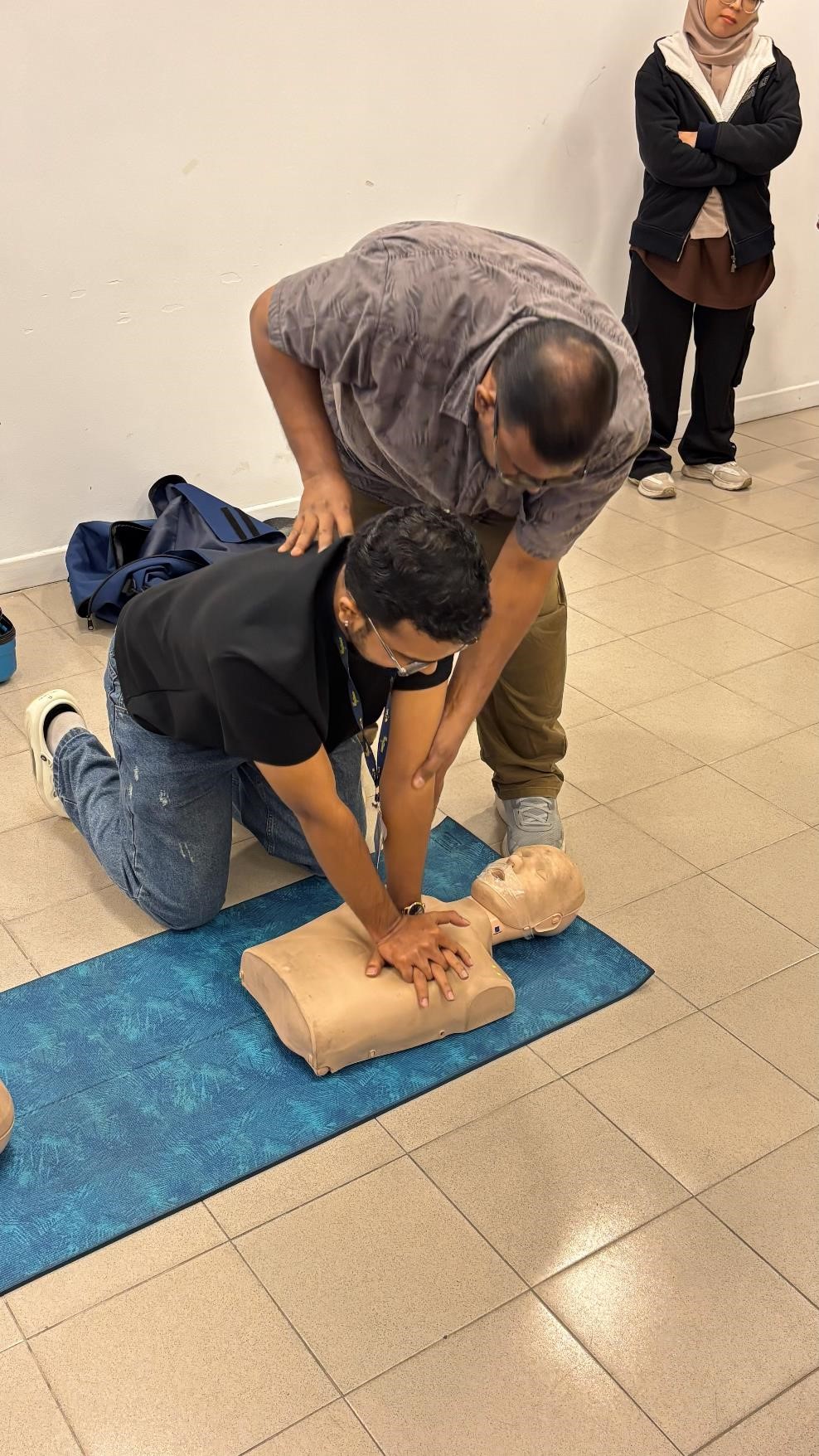
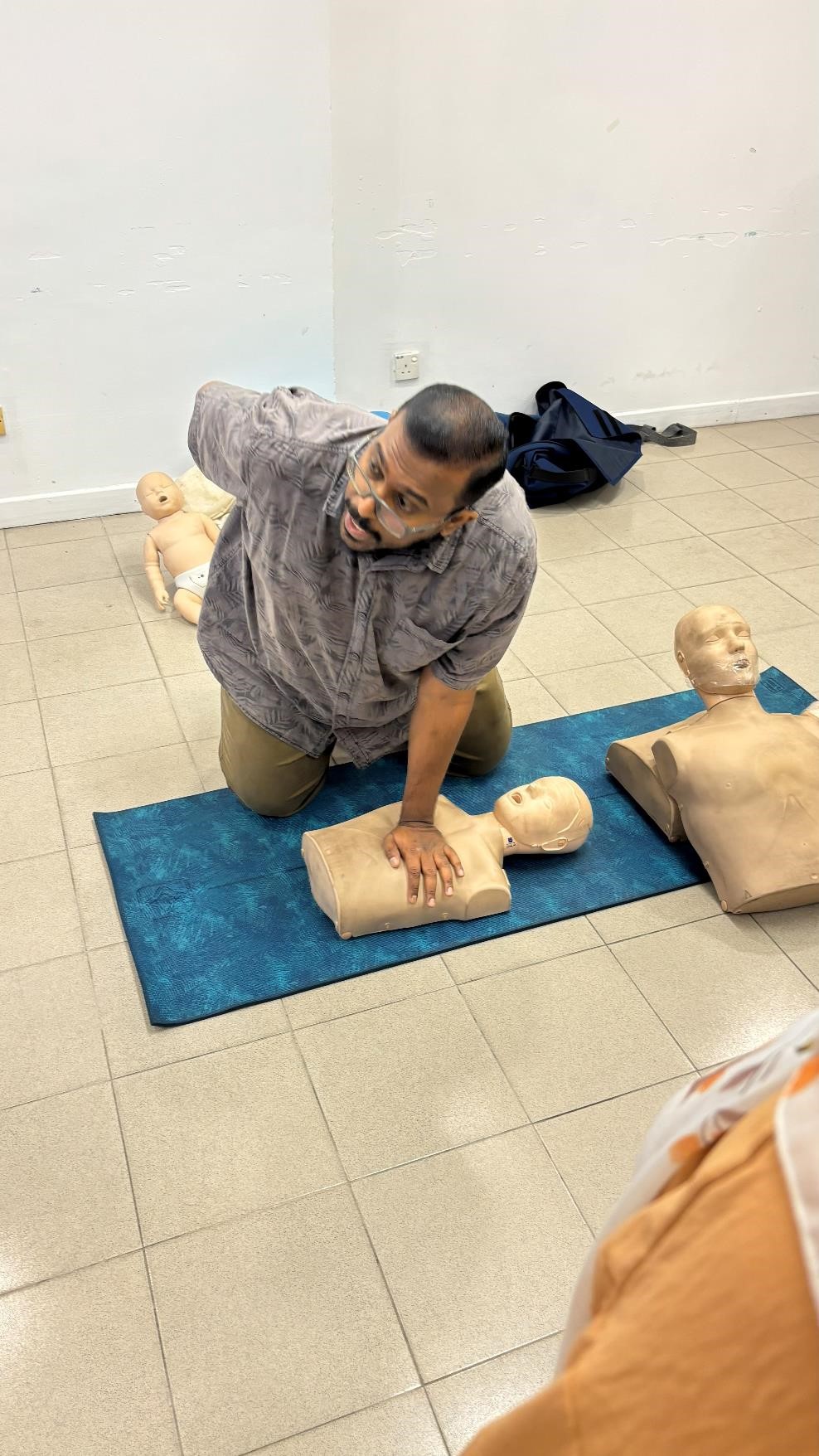
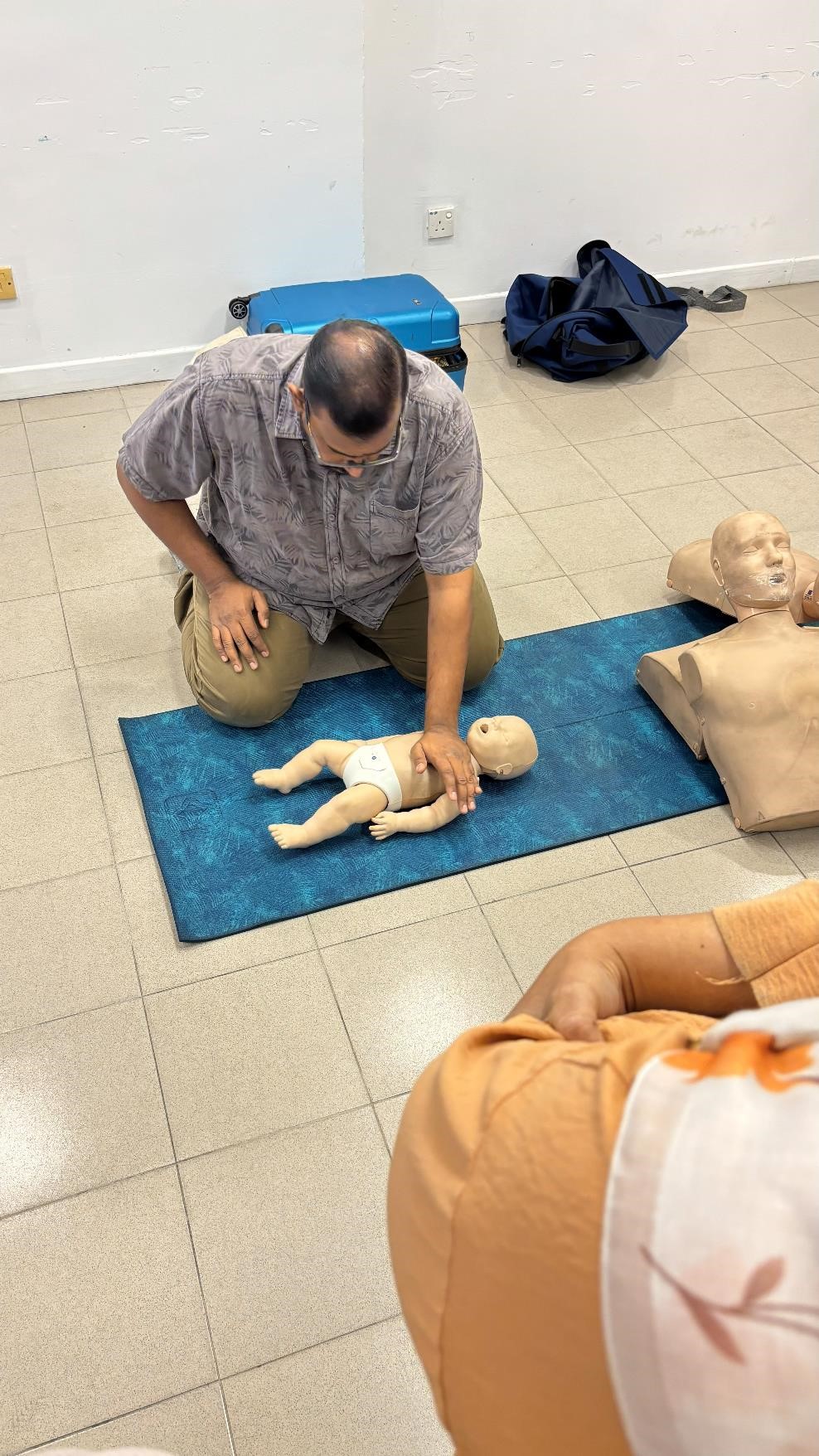
The trainer demonstrating the different CPR techniques to be used on an adult, a child, or an infant
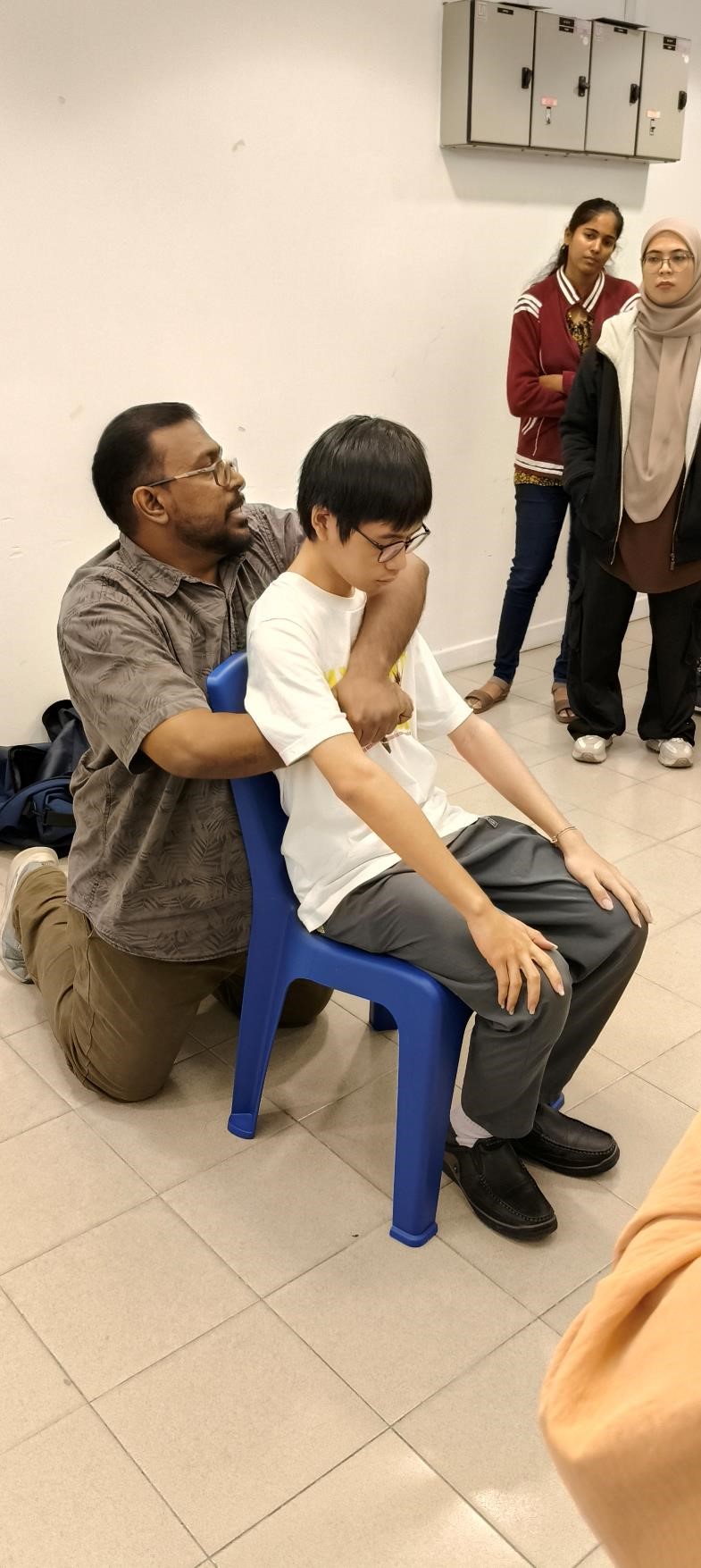
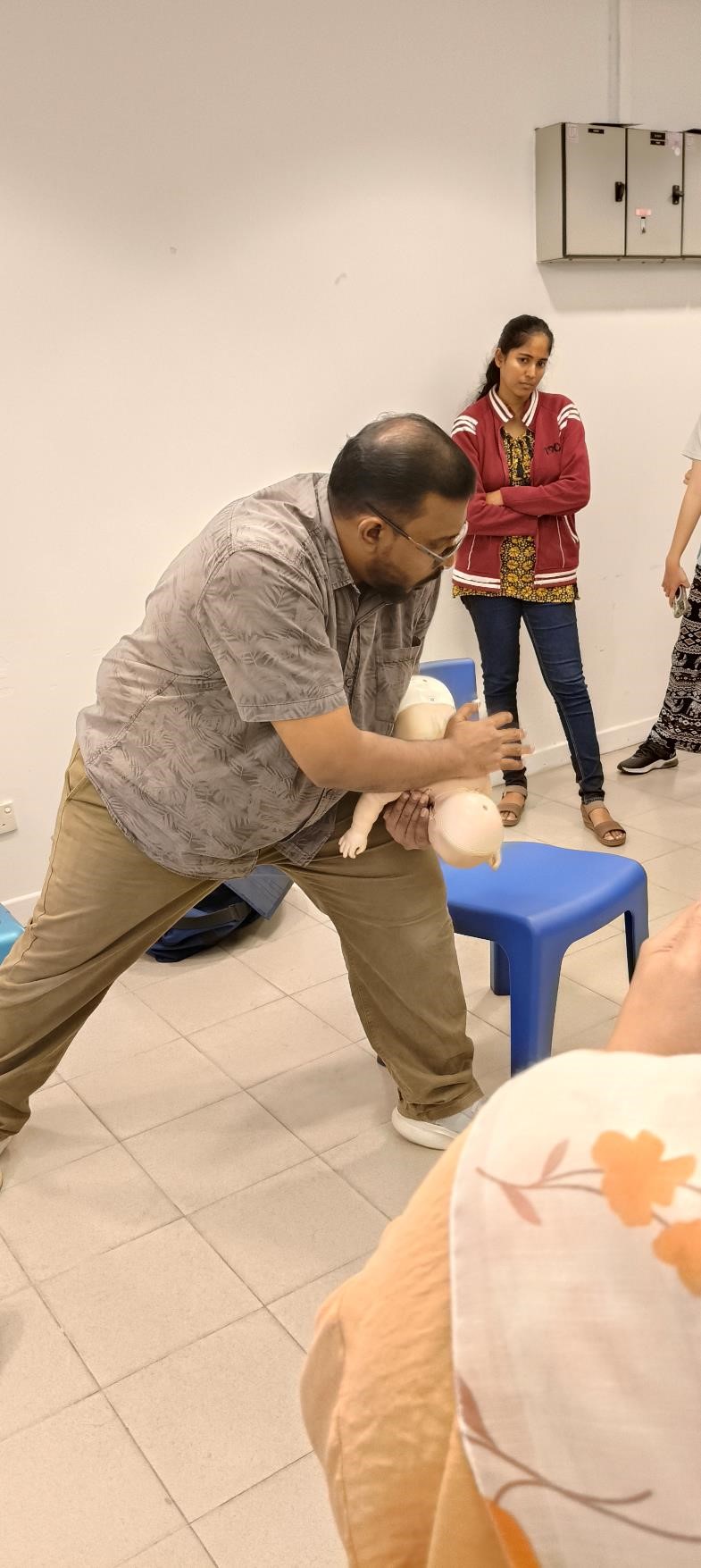
The trainer demonstrating the Heimlich manoeuvre techniques to be used on a smaller patient and an infant
© 2025 UNIVERSITI TUNKU ABDUL RAHMAN DU012(A).
Wholly owned by UTAR Education Foundation (200201010564(578227-M)) LEGAL STATEMENT TERM OF USAGE PRIVACY NOTICE