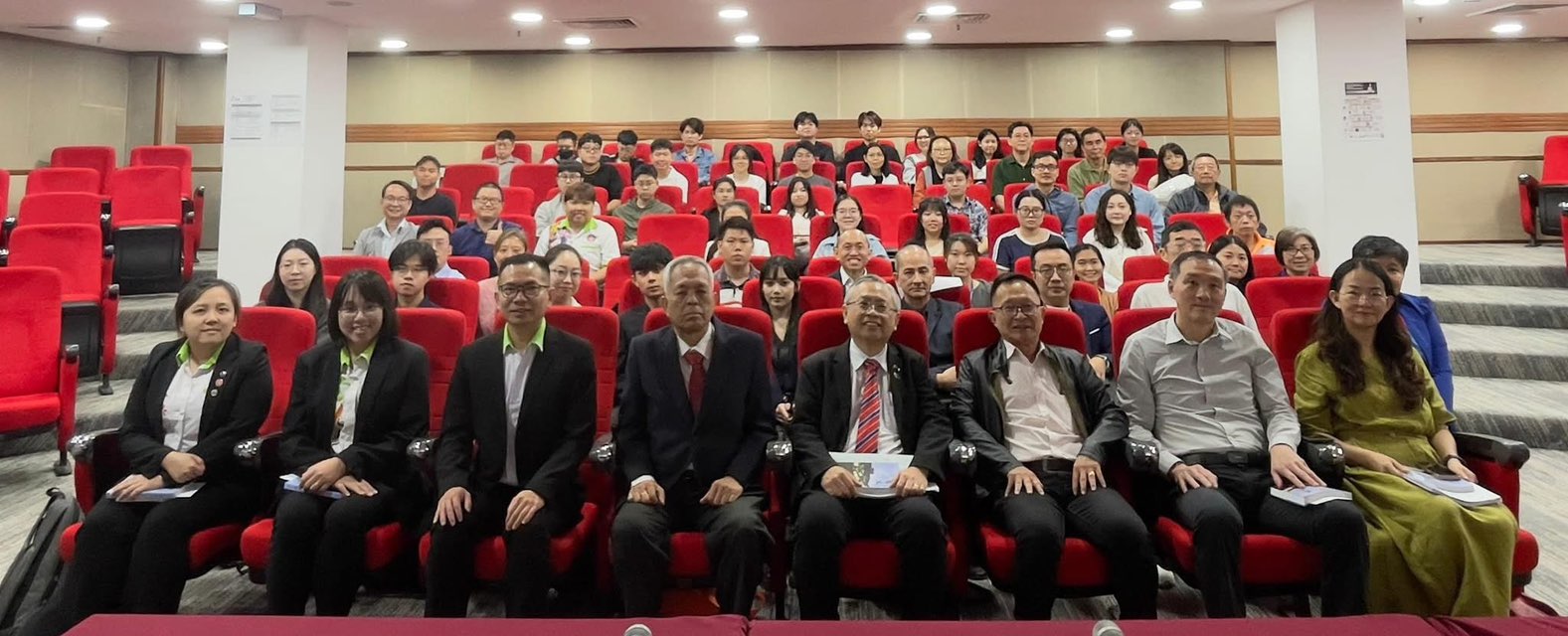
Group photo commemorating a landmark gathering of the Malaysian Buddhist academic community
With the theme Reviewing Buddhist Youth Movement, the 9th International Conference on Malaysian Buddhism (ICoMB9) was successfully held on 23 November 2025 at UTAR Sungai Long Campus.
Co-organised by the UTAR Buddhist Research Centre (UBRC), the Malaysian Buddhist Academic Research Society, the Young Buddhist Association of Malaysia, and the Malaysian Buddhist Development Foundation, the conference continued its mission of fostering rigorous Buddhist scholarship and strengthening community engagement.
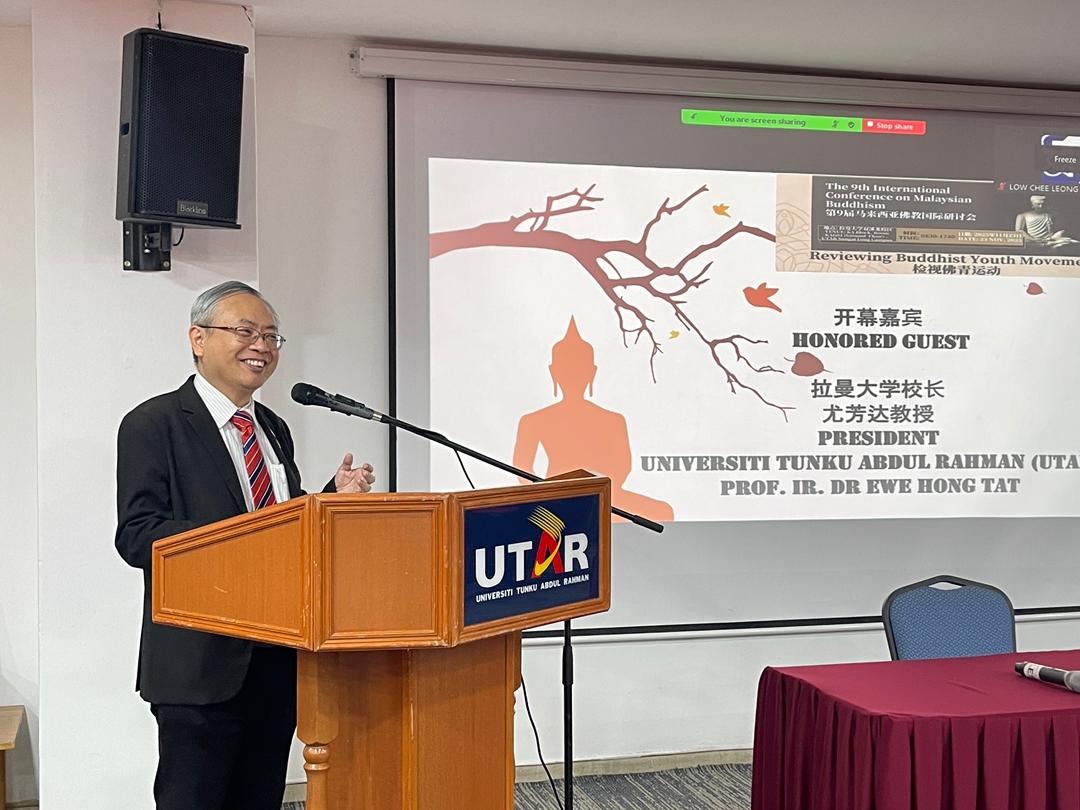
Prof Dato’ Ewe emphasising the significance of ICoMB to Buddhist scholarship
UTAR President Ir Prof Dato’ Dr Ewe Hong Tat was invited as the guest of honour for the opening ceremony. In his opening speech, Prof Dato’ Ewe highlighted that ICoMB has become an important biennial platform for academic exchange, strengthening the ecosystem of Buddhist studies in Malaysia through more systematic, robust, and collaborative efforts. He also expressed his appreciation to the co-organisers for their continued support and partnership.
He said, “I would like to express my gratitude to the Malaysian Buddhist Development Foundation for supporting the establishment of the UTAR Buddhist Research Centre. Collaborations between non-governmental organisations and academic institutions can be mutually beneficial, contributing to the holistic development of society and culture. Buddhist academic research should also explore new areas, including the relationship between medical science, technology, and Buddhist principles.”
He further reaffirmed UTAR’s commitment to advancing Buddhist scholarship through the UTAR Buddhist Research Centre, established in 2024, which promotes interdisciplinary research in fields such as education, linguistics, social sciences, culture, and digital technology.
The launch of the second issue of the Journal of Malaysian Buddhism, published by the Malaysian Buddhist Academic Research Society, was also held during the opening ceremony. The issue features a selection of past academic papers.
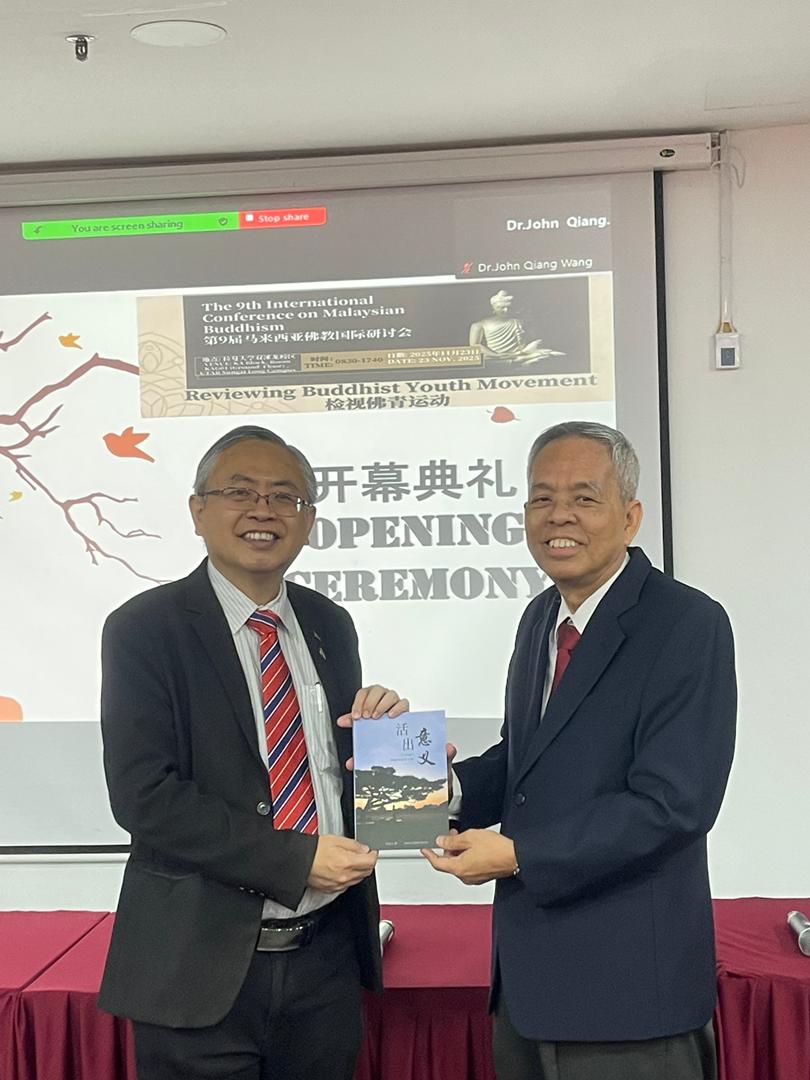
Dato’ Ang (right) presenting a token of appreciation to Prof Dato’ Ewe
The opening ceremony was then followed by the keynote speech, delivered by Malaysian Buddhist Academic Research Society President Dato’ Ang Choo Hong, titled “Nurturing Buddhist Youth Leadership: Insights from the Legacy of Venerable Dharmananda” (培育佛青领导-达摩难陀法师遗风的启示).
He noted, “Buddhist organisations seeking to cultivate capable and high-quality youth may consider adopting a laissez-faire or free-style leadership approach, one that offers young people greater space for self-planning, independent decision-making, and ultimately, personal growth.”
Citing social psychologist Kurt Lewin, who categorised leadership styles into authoritarian, democratic, and laissez-faire, he observed that the late Venerable Dharmananda exemplified a laissez-faire leadership style. Venerable Dharmananda gave youths ample room to explore, lead, and express themselves freely, while deliberately refraining from interfering in the internal operations of youth organisations. This leadership style nurtured a generation of confident, visionary, and transformational Buddhist youth—many of whom later became the driving force behind the Buddhist movement and key contributors to the development of Malaysian Buddhist modernism.
He further added that Venerable Dharmananda was a principled leader who embodied Buddhist values in his leadership. His wisdom, compassion, and selflessness earned him profound respect from communities across the nation.
The conference was structured into four thematic sessions: Buddhist Movement, Welfare and Charity, Culture and Arts, and History. The Buddhist Movement session focused on youth engagement, leadership identity, and contemporary Buddhist activism. The Welfare and Charity session explored Buddhist social work, community welfare models, and charitable operations. The Culture and Arts segment examined Buddhist motifs in Malaysian Chinese cinema, the aesthetics of religious architecture, and related cultural expressions. The History session documented Buddhist educational movements, monastic developments, and the evolution of Buddhist institutions. A total of 12 scholars from Malaysia and abroad presented papers covering these themes.
Faculty of Chinese Studies (FCS) Department of Chinese Studies (Kampar Campus) Head Assoc Prof Dr Toh Teong Chuan and academic Dr Th’ng Bee Fu each presented a paper under the History session, while Head of PhD (Chinese Studies) Programme Assoc Prof Dr Tan Ai Boay served as the moderator for the Culture and Arts session. Their active participation underscored UTAR’s growing academic presence in Buddhist studies and its ongoing commitment to fostering interdisciplinary dialogue.
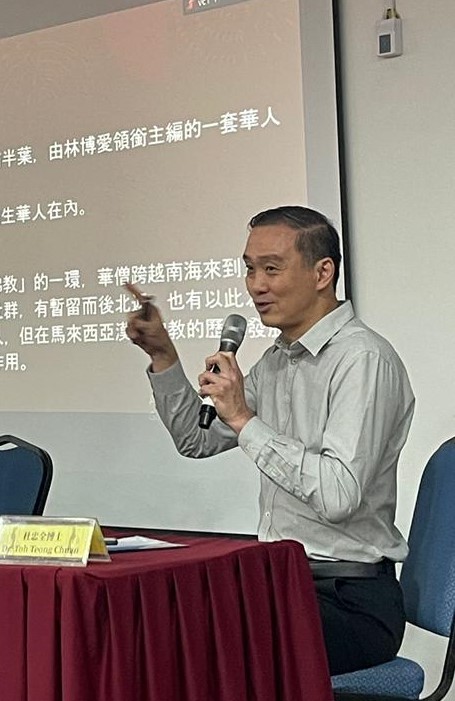
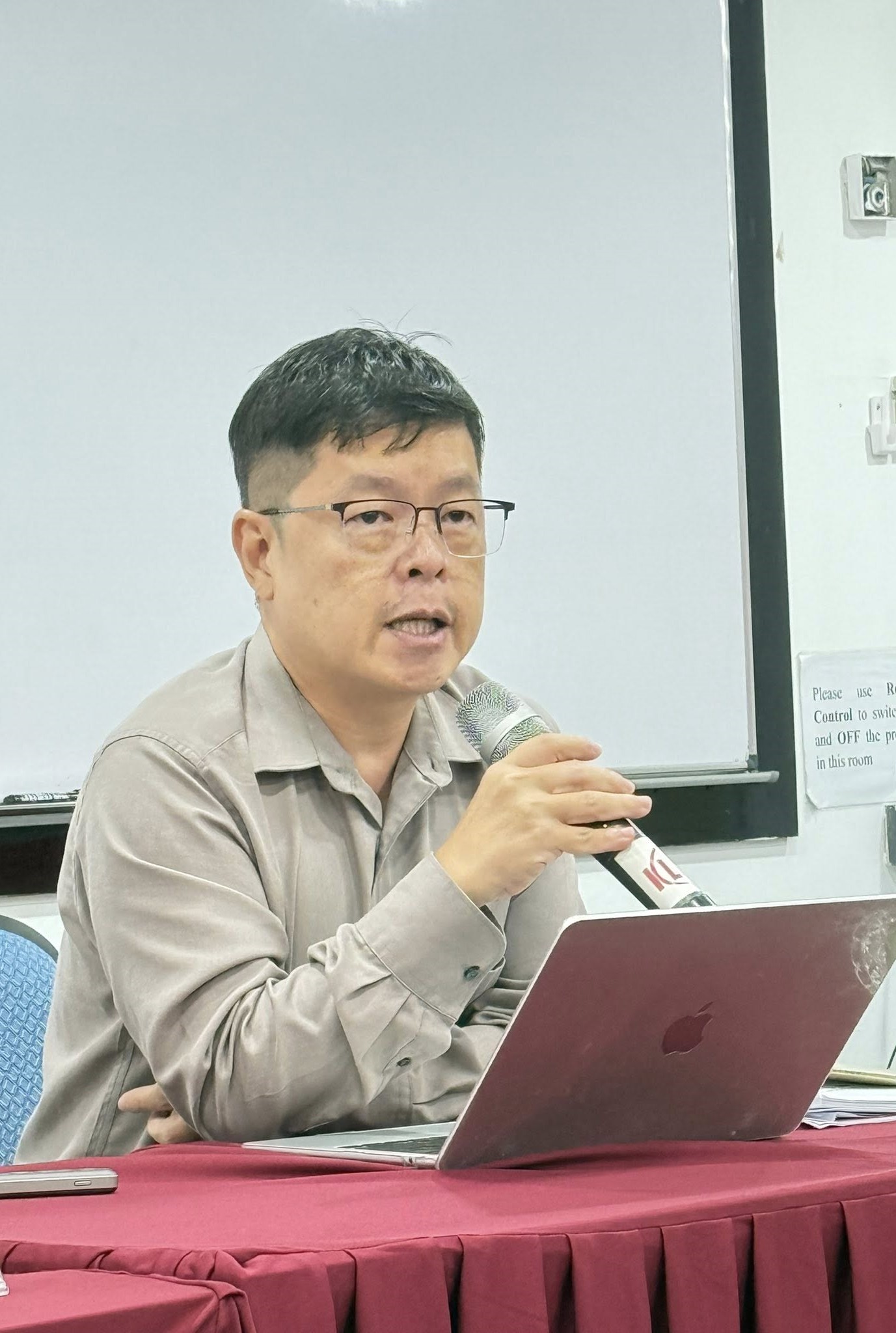
Dr Toh (left) and Dr Th’ng presenting their research insights at the History session
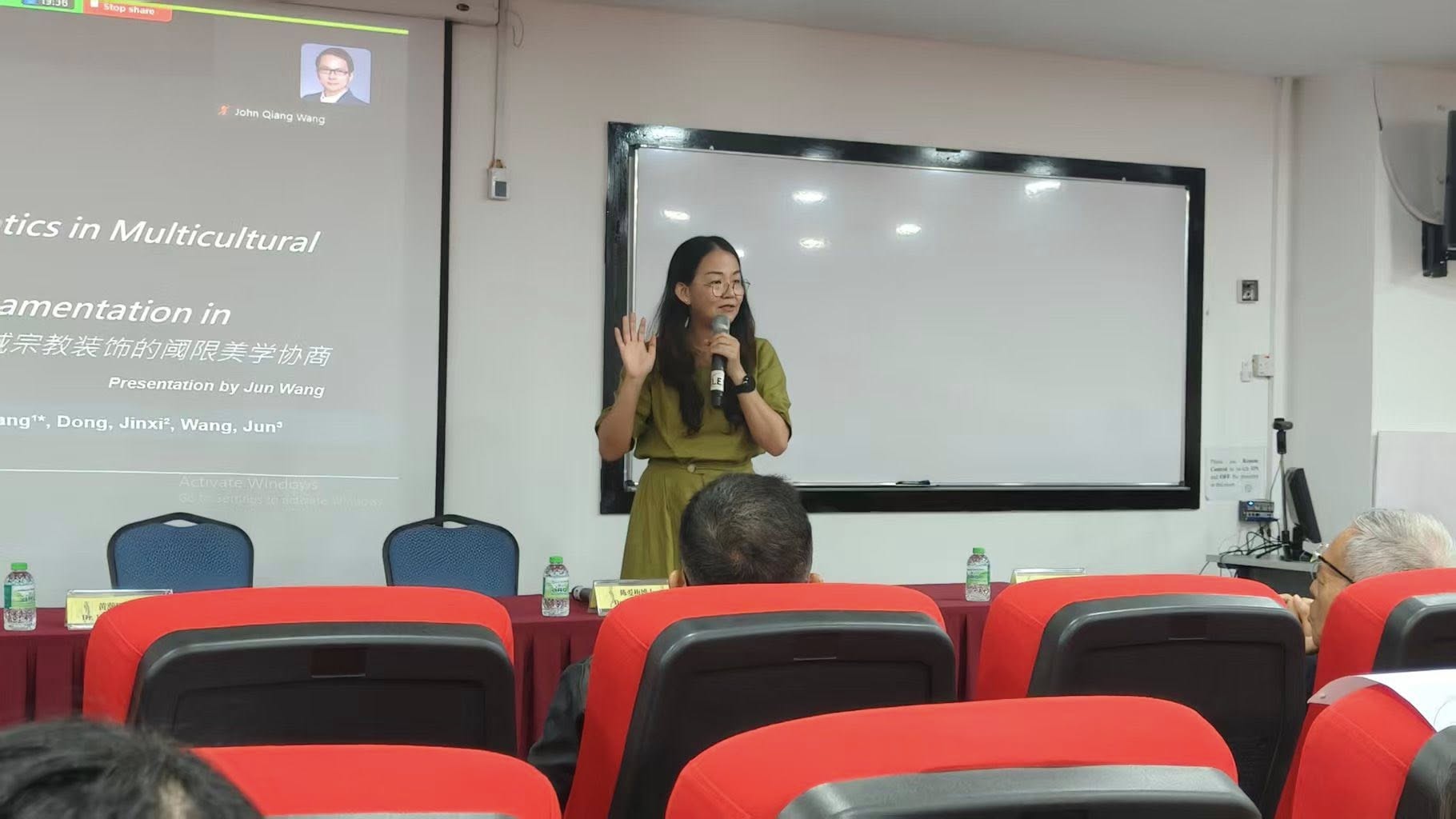
Dr Tan moderating the Culture and Arts session
The one-day conference concluded with active discussions, positive feedback from participants, and renewed commitment among scholars and organisations to continue advancing Buddhist academic research in Malaysia.
© 2025 UNIVERSITI TUNKU ABDUL RAHMAN DU012(A).
Wholly owned by UTAR Education Foundation (200201010564(578227-M)) LEGAL STATEMENT TERM OF USAGE PRIVACY NOTICE