
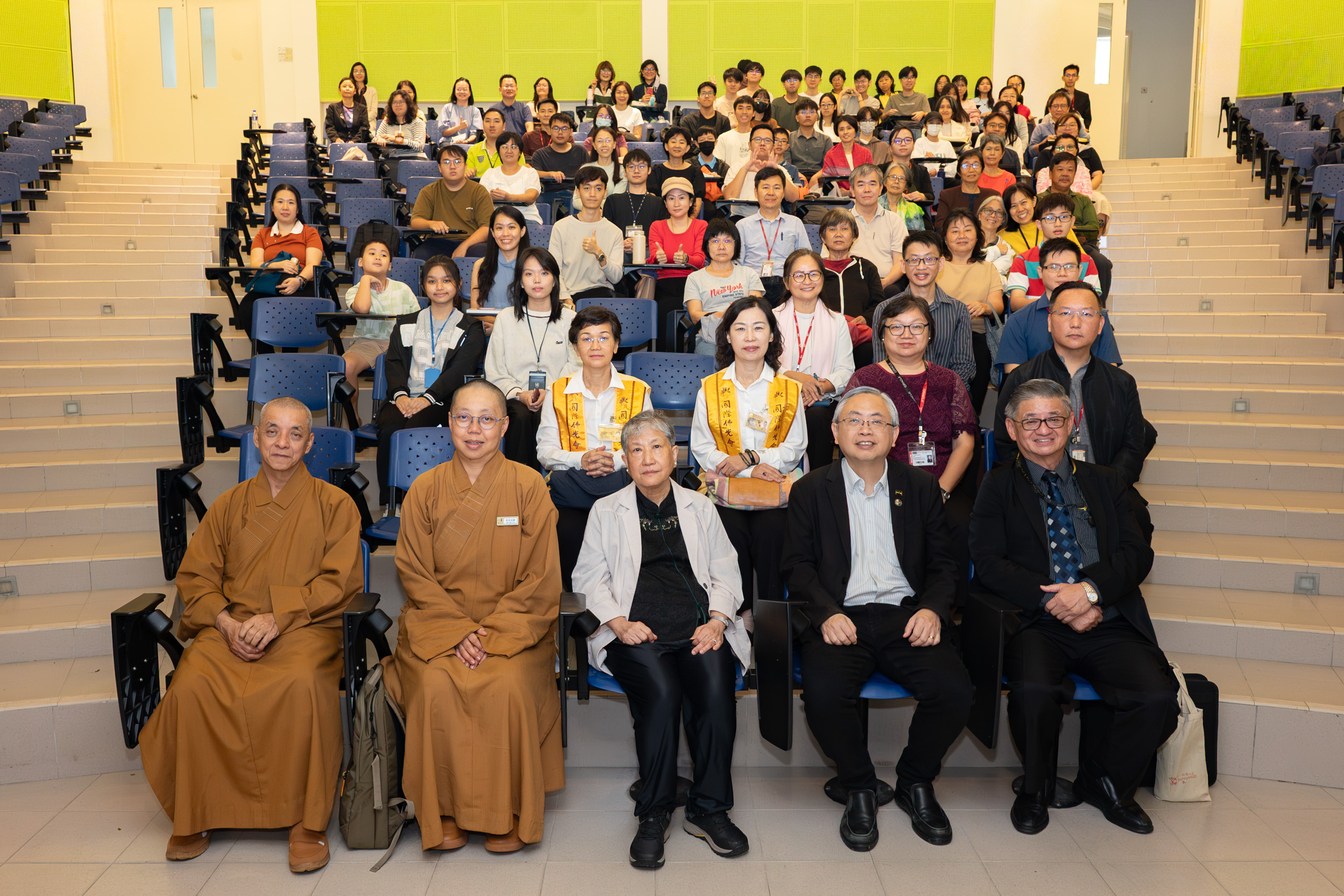
Prof Hung (front row, centre) with delegates and audience
UTAR hosted a lecture titled Brains and Emotions, Communication and Resilience at its Kampar Campus on 18 December 2025, featuring Prof Hung Lan, a prominent cognitive psychologist and brain science expert. The lecture was part of her Malaysia Lecture Series.
The event was organised by Fo Guang Shan Malaysia, with UTAR, Fo Guang Shan Ipoh, and the Fo Guang Shan Education & Cultural Centre as co-organisers, and Sin Chew Daily as the media partner.
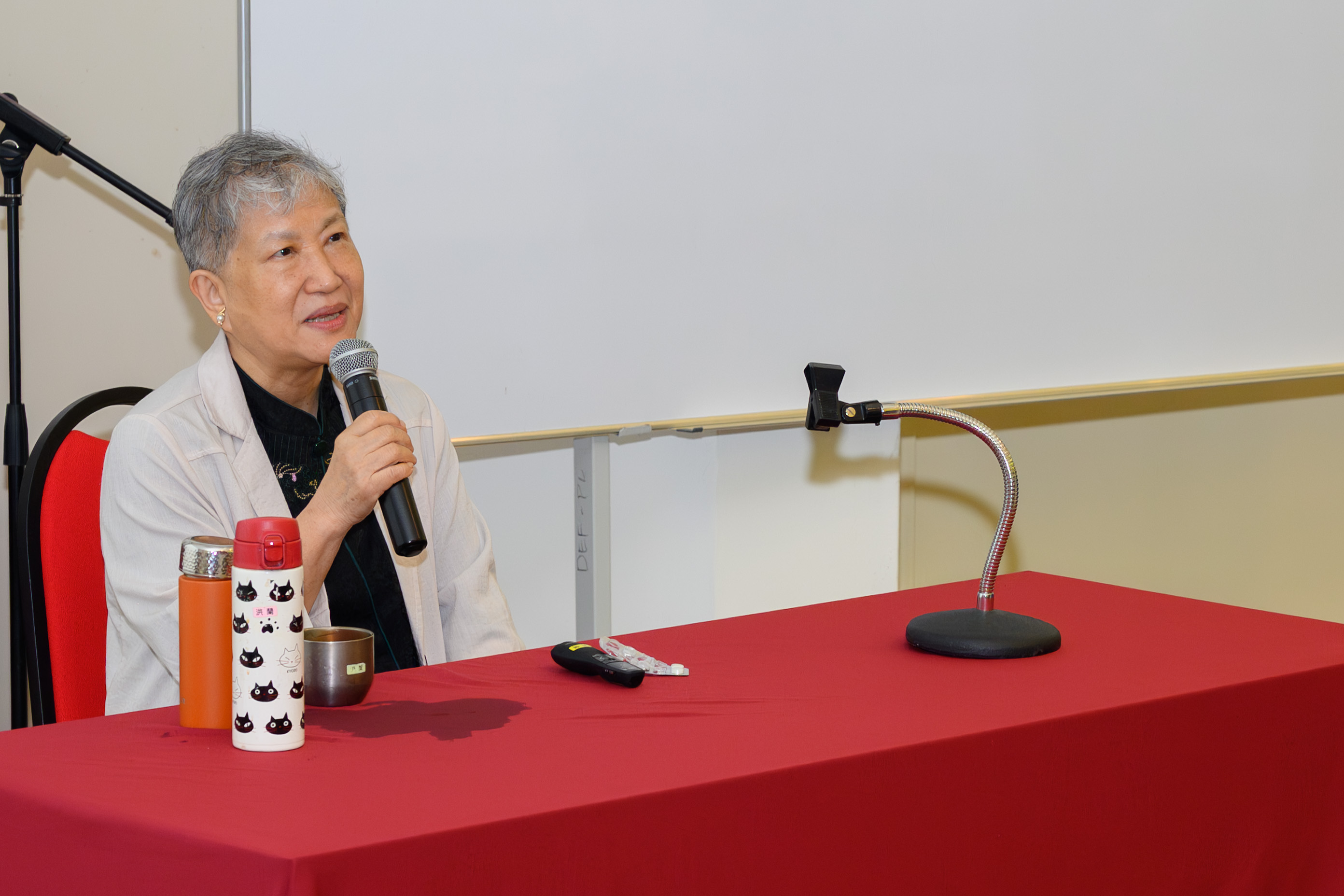
Prof Hung, a prominent scholar with multiple roles
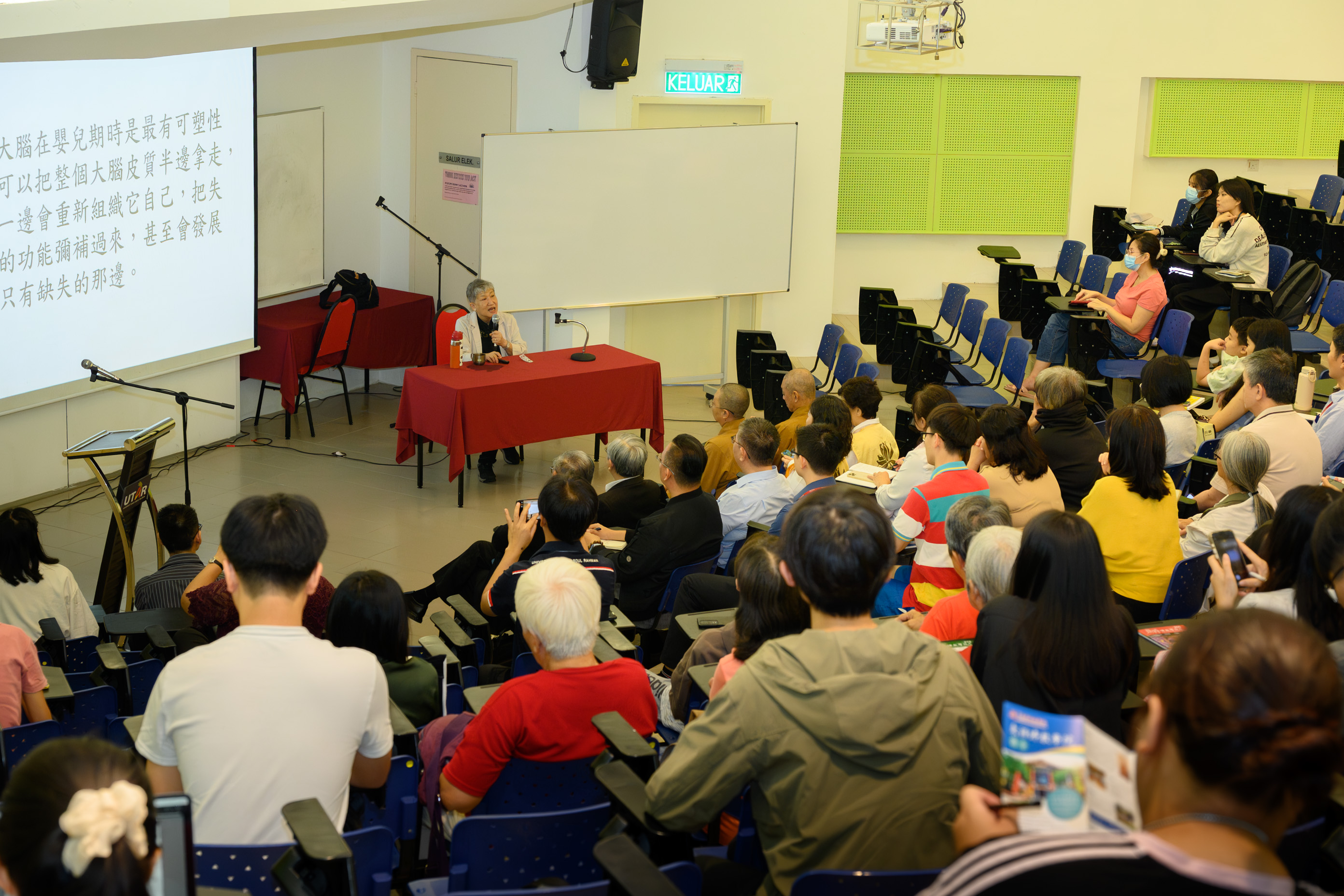
Prof Hung’s charisma captivated UTAR staff, students, and the public
Inspired by Prof Hung’s charisma, those present at the event included UTAR President Ir Prof Dato’ Dr Ewe Hong Tat, Faculty of Education (FEd) Deputy Dean for Academic Development and Undergraduate Programmes Dato’ Dr Lee Boon Hua, Fo Guang Shan Ipoh Superintendent Venerable Hui Shing, Fo Guang Shan Ipoh Chairman Ms Tan Guat Nga, UTAR staff and students, as well as members of the public.
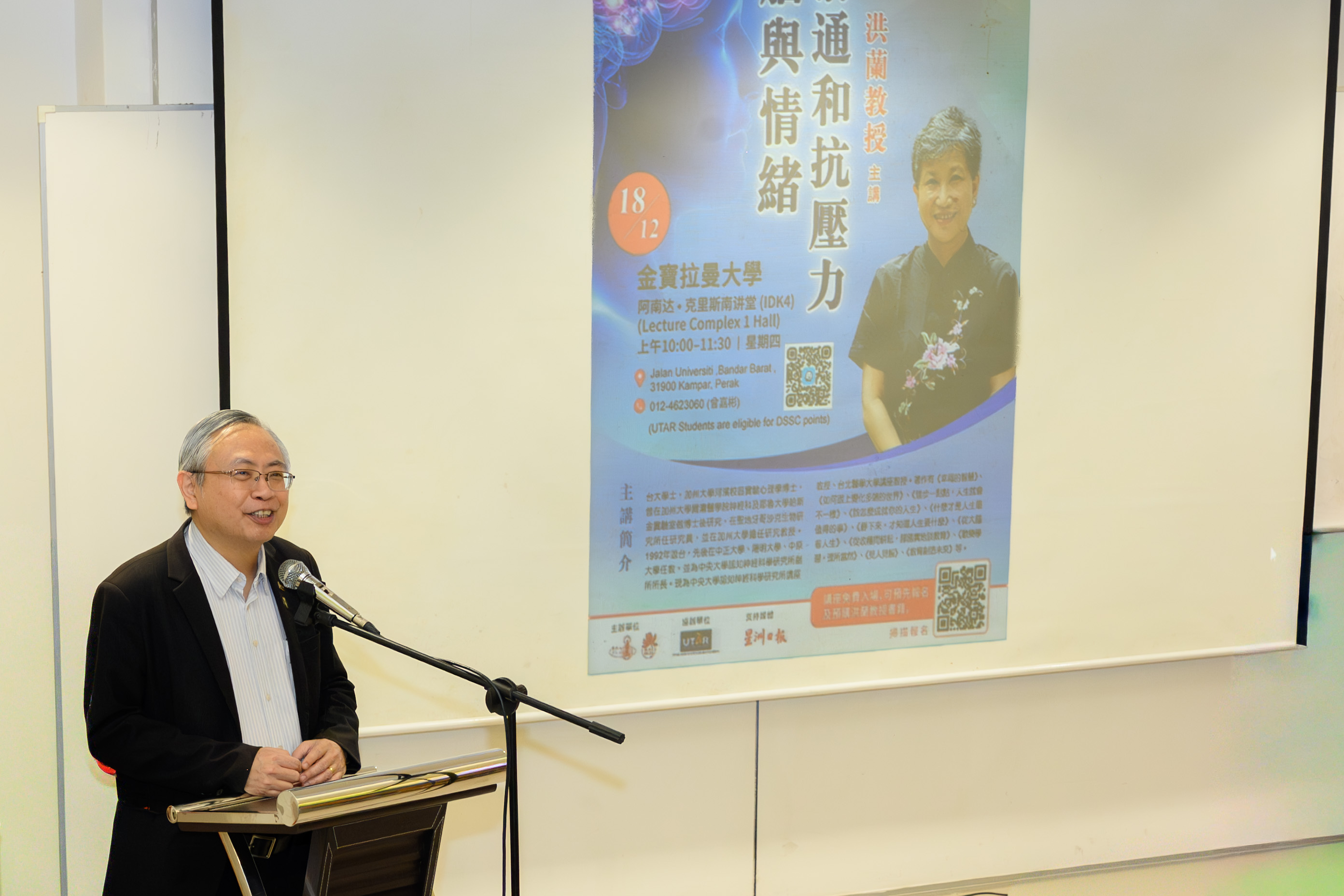
Prof Dato’ Ewe thanking Prof Hung and all collaborating parties for the success of the event
In his welcome remarks, Prof Dato’ Ewe expressed his gratitude to Prof Hung, as well as to all collaborating parties, especially Fo Guang Shan, for their efforts in ensuring the successful organisation of the event. Reflecting on his parenting journey, he said that he had benefited greatly from Prof Hung’s series of publications, and emphasised that the long-term and systematic cultivation of children’s abilities, as well as nurturing lifelong learning and sustained curiosity, are crucial. He added that Prof Hung’s lecture was highly informative and practical, and strongly recommended it from the perspective of a parent who had personally benefited from it.
He added, “UTAR places great importance on the mental health and well-being of both staff and students. Two years ago, we established the Centre for Healthy Minds and Wellbeing (CHMW) to provide platforms for stress management, emotional intelligence development, and mindfulness cultivation. This enables individuals to make timely psychological adjustments when facing stress or unexpected situations, thereby reducing mental and emotional burdens. UTAR is also the first university in Malaysia to allow students to apply for ‘mental health leave’, reflecting the University’s strong commitment to mental health issues.”
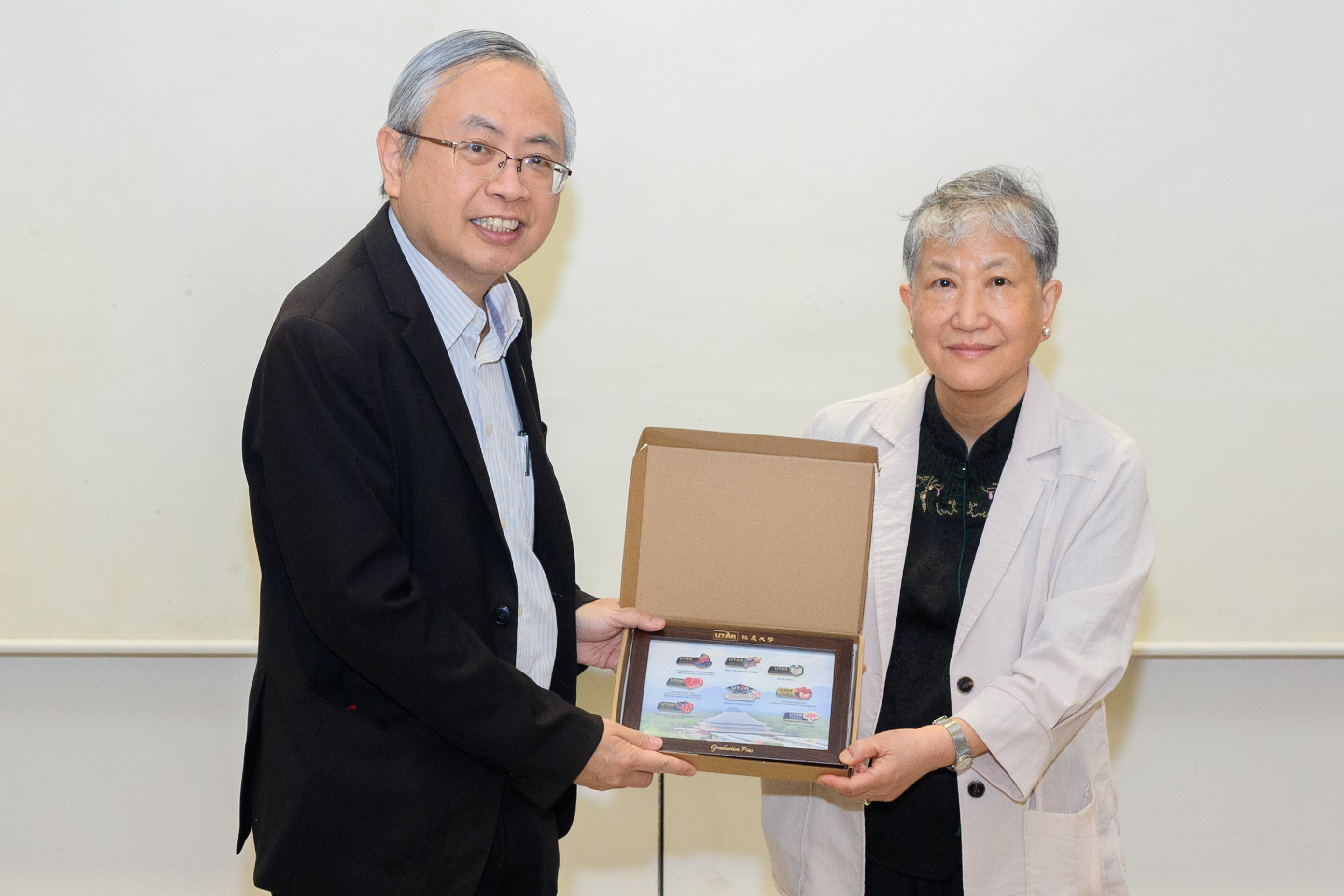
Prof Dato’ Ewe (left) presenting a token of appreciation to Prof Hung
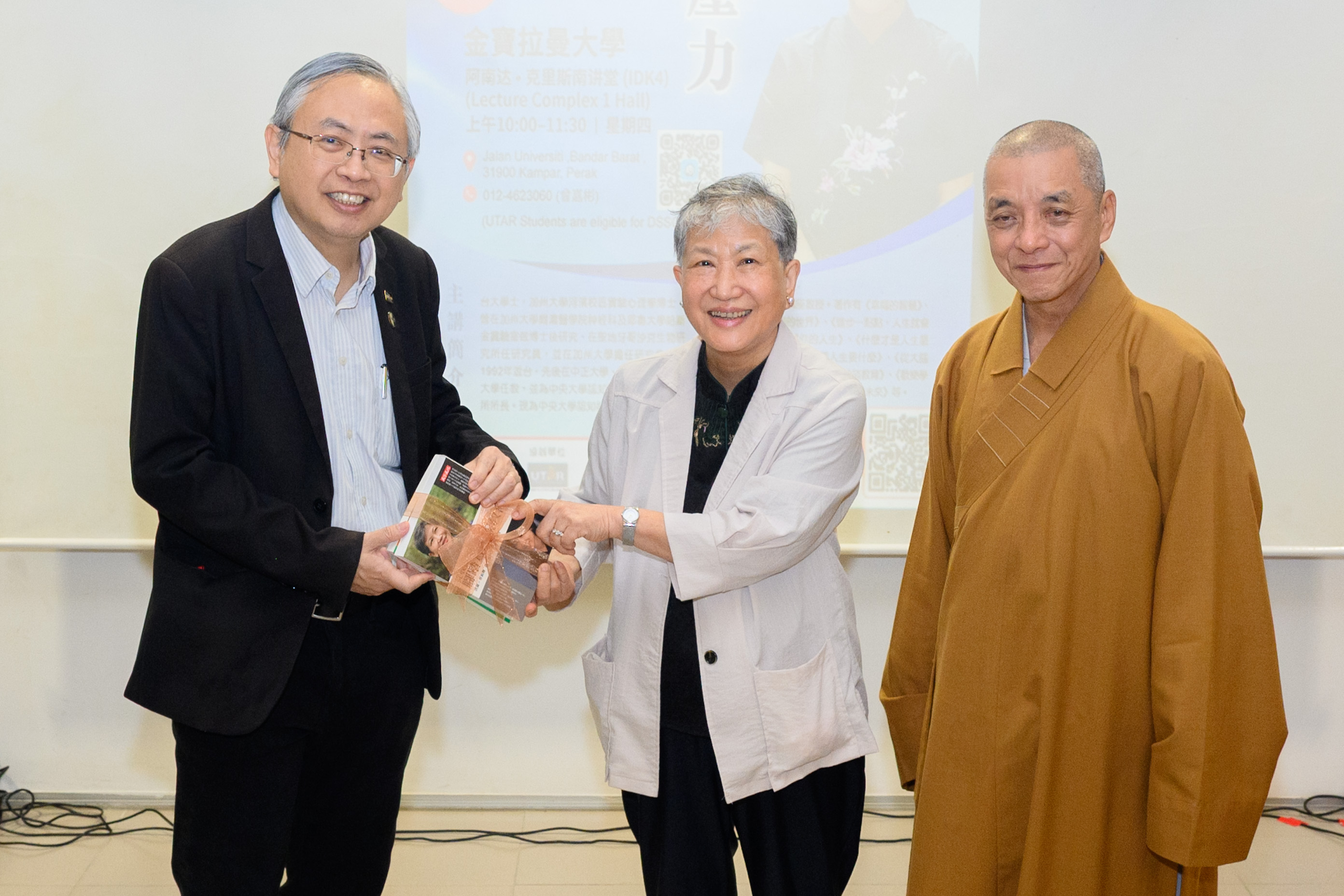
Prof Hung (centre) presenting a gift to Prof Dato’ Ewe, while Venerable Hui Shing (far right) looks on
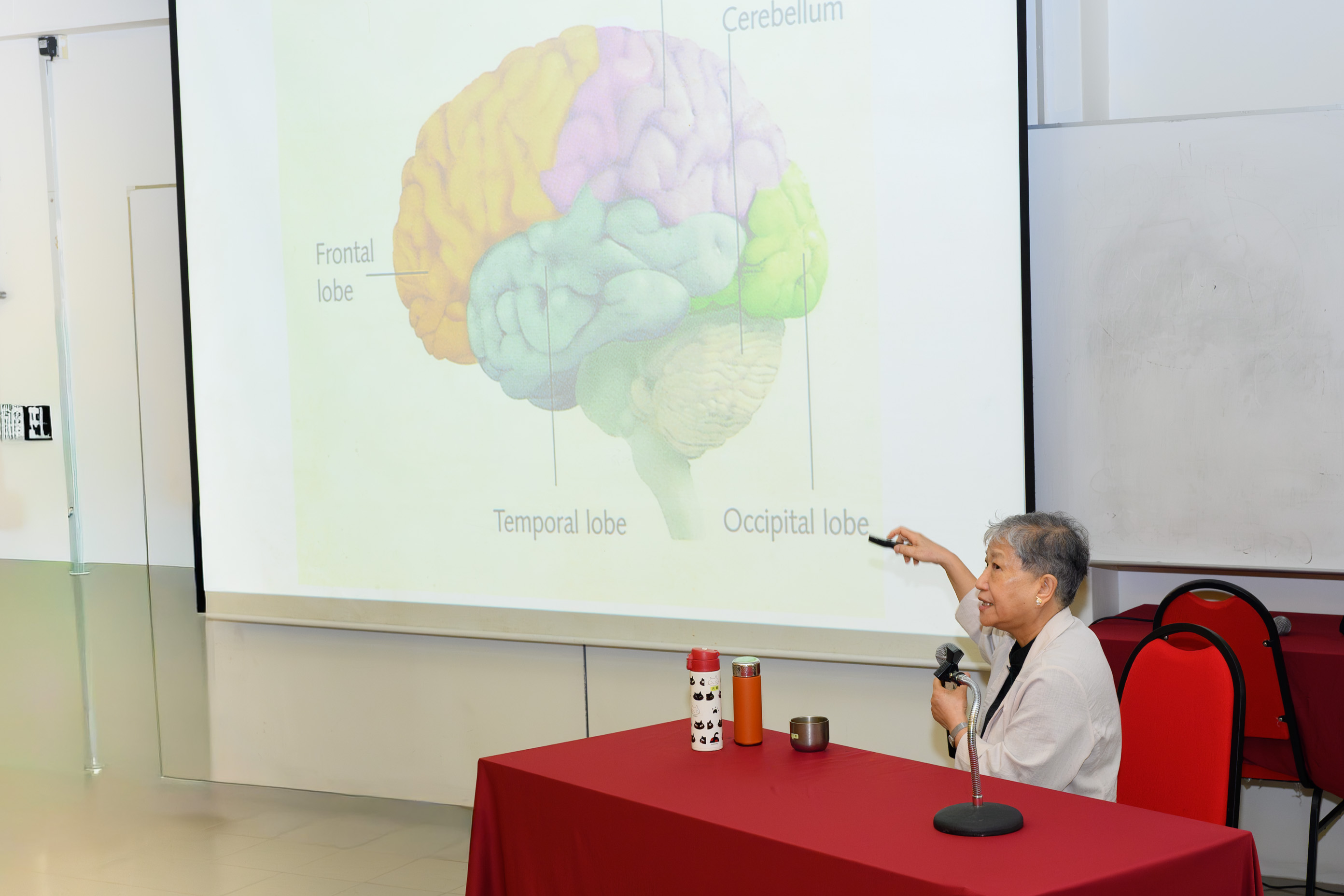
Prof Hung explaining the structure of the brain
Prior to the start of the lecture, Prof Hung gave a brief account of her and her father’s association with “Nanyang” (Southeast Asia) and expressed her delight in being here to deliver the talk and share her insights.
She began by explaining the structure of the brain, giving the audience a clearer understanding of how it works. She emphasised that cultivating a child’s attention should start from infancy. By around six months of age, parents should engage in shared reading with their children to help develop their focus, enabling them to “sit still and learn effectively” in the classroom later on. Many parents worry about their children falling behind and rush to enrol them in tutoring or extracurricular classes. However, life is a marathon — winners are not those who start first, but those who navigate the turning points.
She elaborated, “Our brains continue to change throughout life, and the notion that 'everything is set by age three' is a myth. The brain follows the principle of 'use it or lose it': if certain areas are unused for a long time, other parts will take over their functions.”
“Reading engages many regions of the brain. Occasional letter reversals or left-right confusion in young children are normal, but if they persist beyond Standard Three, parents should seek professional guidance. Every child has strengths — observe tasks they do effortlessly, and nurture those talents rather than limiting them to specific fields. How we speak to children today shapes their performance tomorrow, so guide them forward instead of dwelling on past mistakes,” she explained.
She noted, “We cannot predict a child’s future, but we can equip them with essential foundations, such as character, emotional intelligence, and a lifelong learning mindset.”
On emotional management, she mentioned, “Emotions stem from our interpretation of situations. People can regulate their own emotions; the mind governs the body, and it is not events themselves that cause suffering, but our perception of them. By changing our mindset, we can change our lives and decide whether our experiences are painful or joyful. I encourage people to smile more. Smiling activates the body’s relaxation response, reducing stress and making discomfort less intense. Even a 20-second smile can trigger positive emotions, bringing joy and happiness.”
“Prolonged exposure to high-pressure environments may increase the risk of developing Alzheimer’s disease, highlighting the importance of learning to manage stress. Stress often arises from misjudging situations, and misunderstandings should be addressed through direct communication rather than avoidance or pretending they did not occur,” she warned.
She also urged parents to help children socialise and build friendships, emphasising the importance of honesty and effective communication. Learning to use words and language skilfully can lead to meaningful personal development, “change your words, change your world.”
“Remember to leave some room for manoeuvre in your interactions with others. While the clever know how to seize opportunities, the wise know when to let go. Only by learning to release can one truly free oneself from troubles and move forward more steadily and farther in life,” she concluded.
During the interactive session, speakers and the audience engaged in lively discussions on topics ranging from educational philosophies and emotional intelligence to the influence of the natural environment and prenatal education on brain development. The lecture concluded with a book signing session.
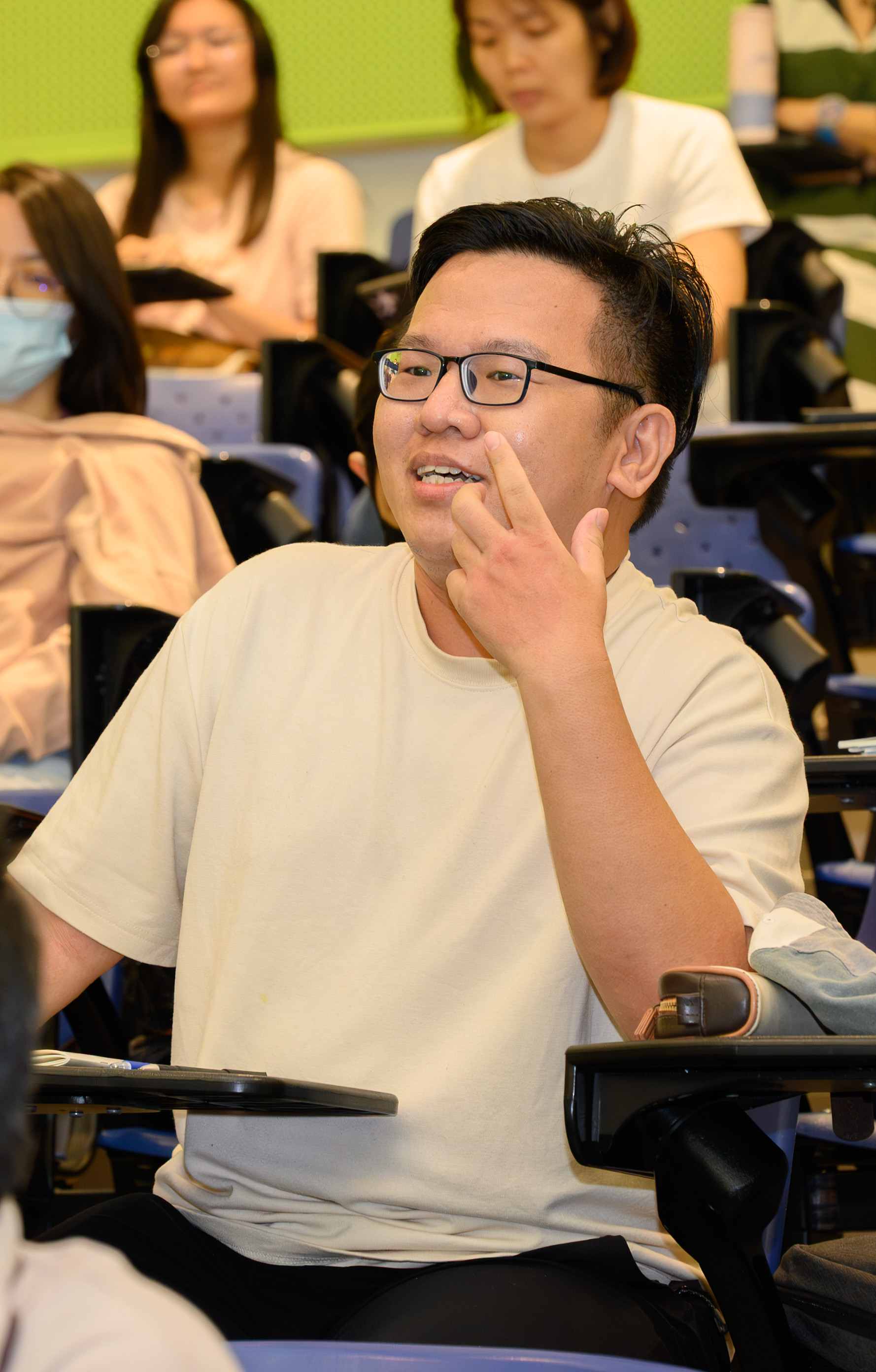
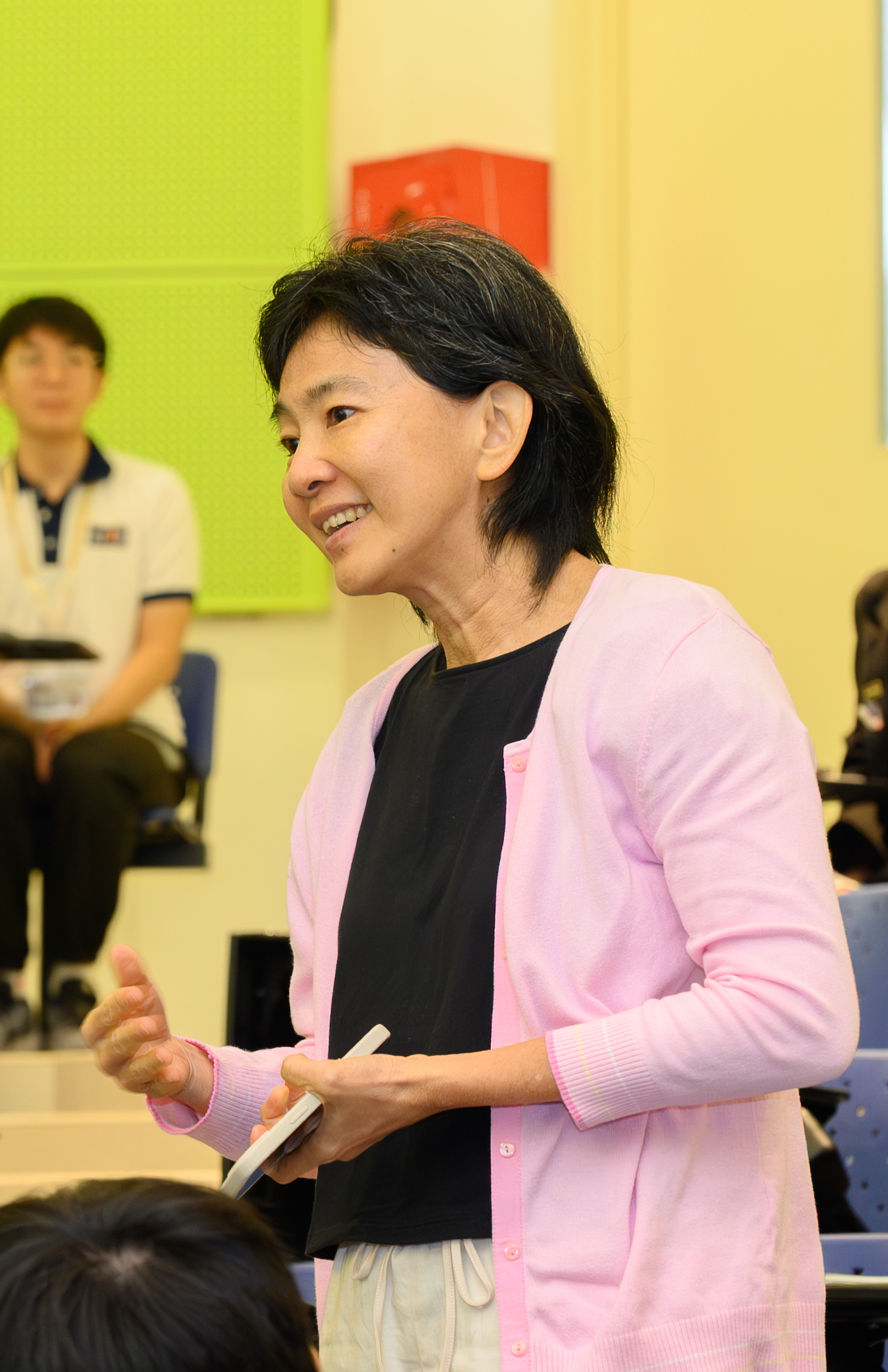
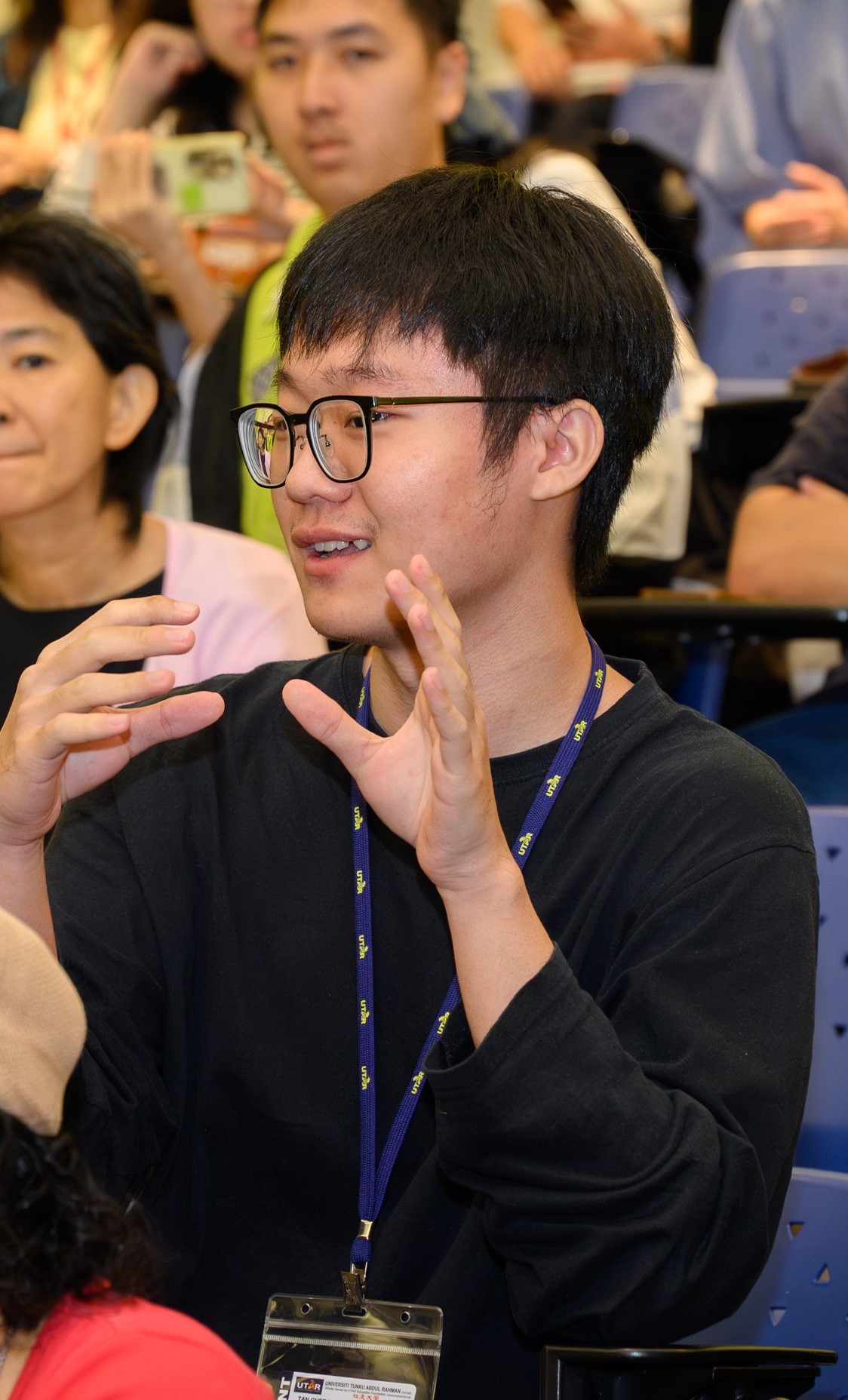
Audience seeking advice from Prof Hung
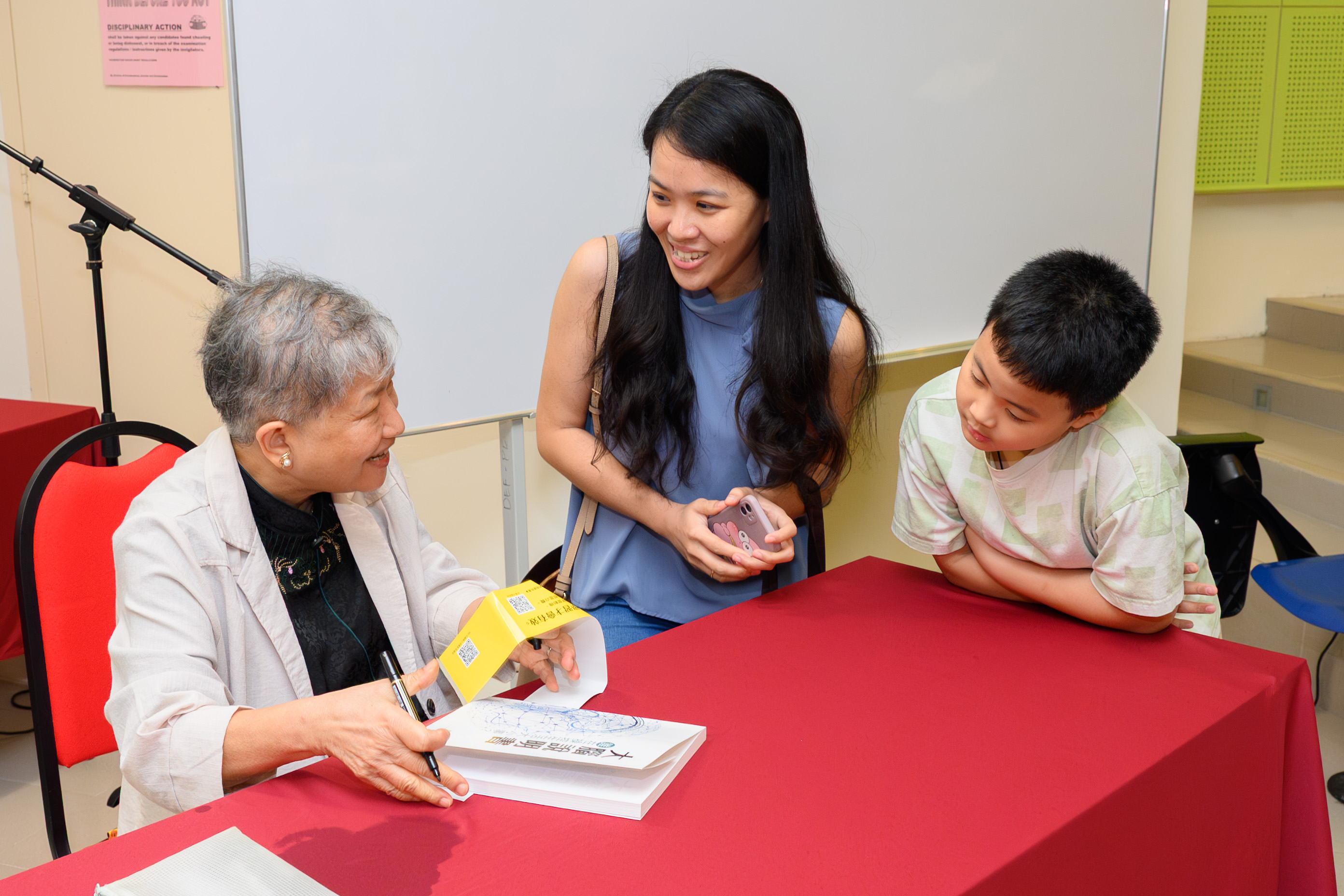
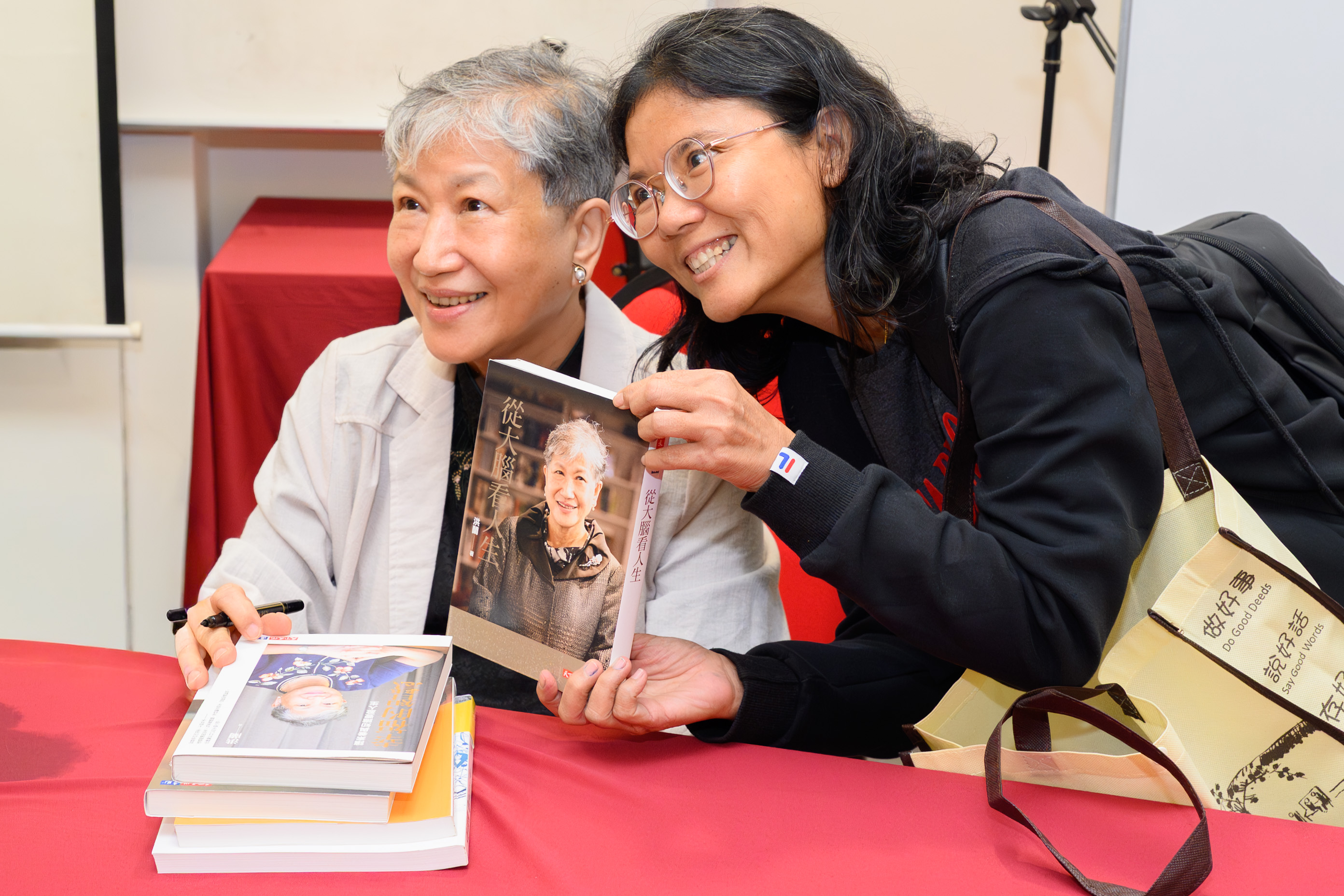
Prof Hung interacting with the readers
© 2025 UNIVERSITI TUNKU ABDUL RAHMAN DU012(A).
Wholly owned by UTAR Education Foundation (200201010564(578227-M)) LEGAL STATEMENT TERM OF USAGE PRIVACY NOTICE