Kick-starting the seminar on stingless beekeeping
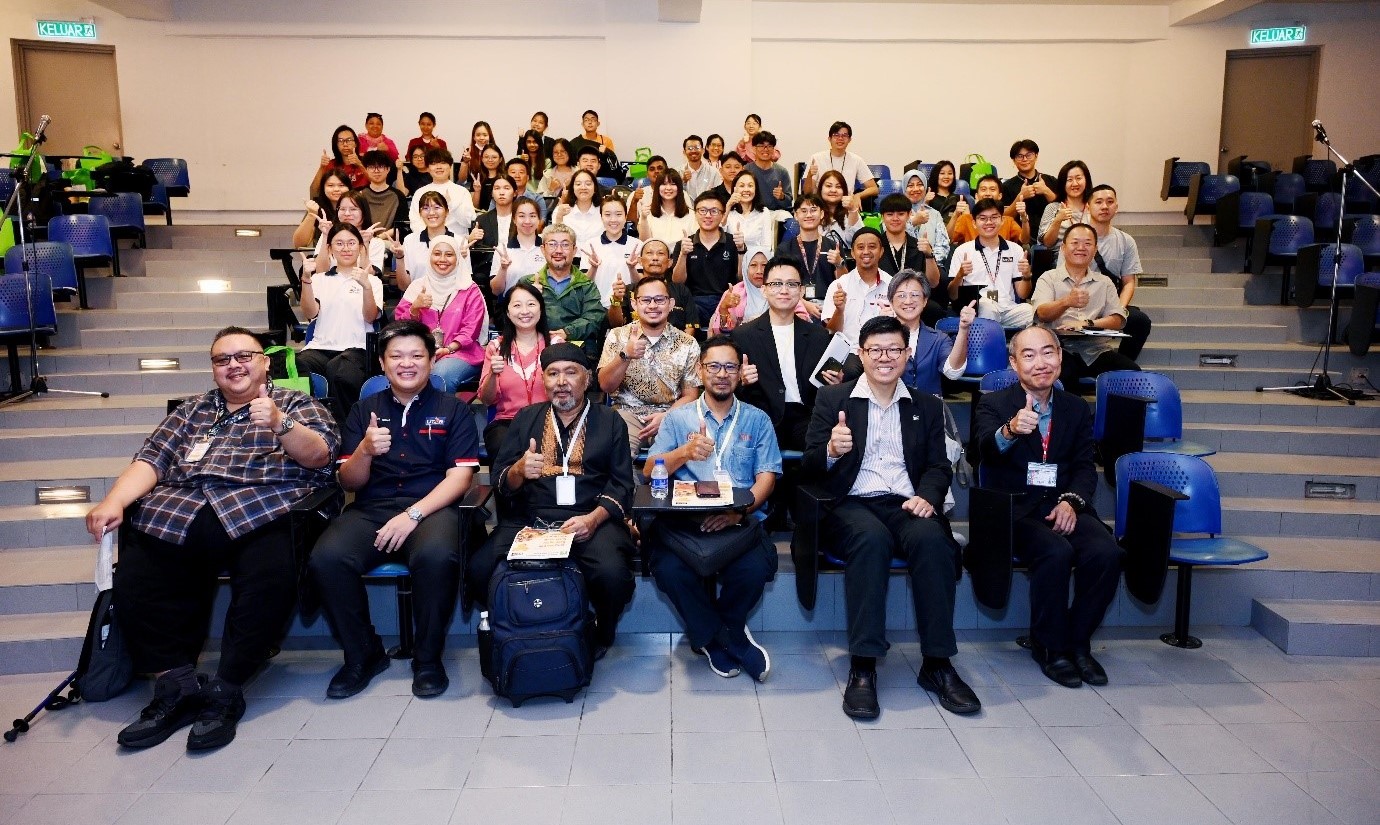
This year’s Agriculture Technology Seminar Series shed light on stingless beekeeping, also known as meliponiculture. Themed Stingless Beekeeping for Sustainable Agriculture in Malaysia, the 26th seminar brought together experts to share insights and discuss the benefits of stingless beekeeping, sustainable meliponiculture practices, honey authentication, and best bee management.
The seminar, jointly organised by the Centre for Agriculture and Food Research (CAFR), Faculty of Science (FSc), and Persatuan Pengusaha dan Penternak Meliponikultur Perak, began with UTAR Vice President for Student Development and Alumni Relations Prof Dr Choong Chee Keong crediting the organisers and welcoming the participants in his speech.
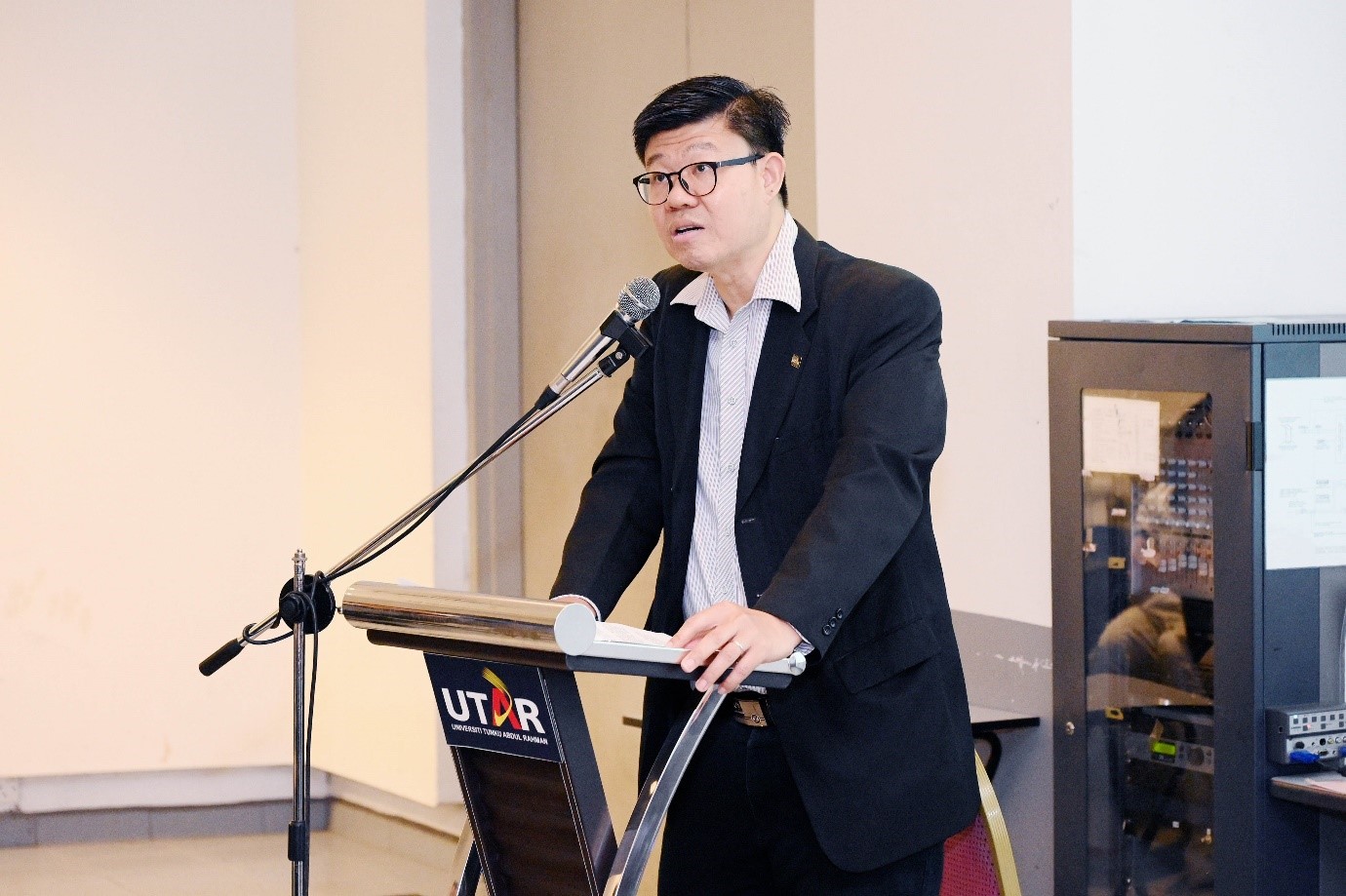
Prof Choong explaining UTAR sustainability initiatives
He said, “Sustainable agriculture is becoming important, and in UTAR, we strongly support initiatives that promote sustainability, innovation and community engagement. Stingless beekeeping has potential, and with growing concerns over climate change, environmental degradation, and the need for resilient food systems, meliponiculture can greatly contribute to biodiversity and food security, create economic opportunities for rural communities, and offer an ecologically sound and economically viable solution. These native bees play a crucial role in pollination, enhancing crop yields while preserving natural ecosystems. By promoting meliponiculture, we are investing in nature-based solutions that align with global sustainable development goals.”
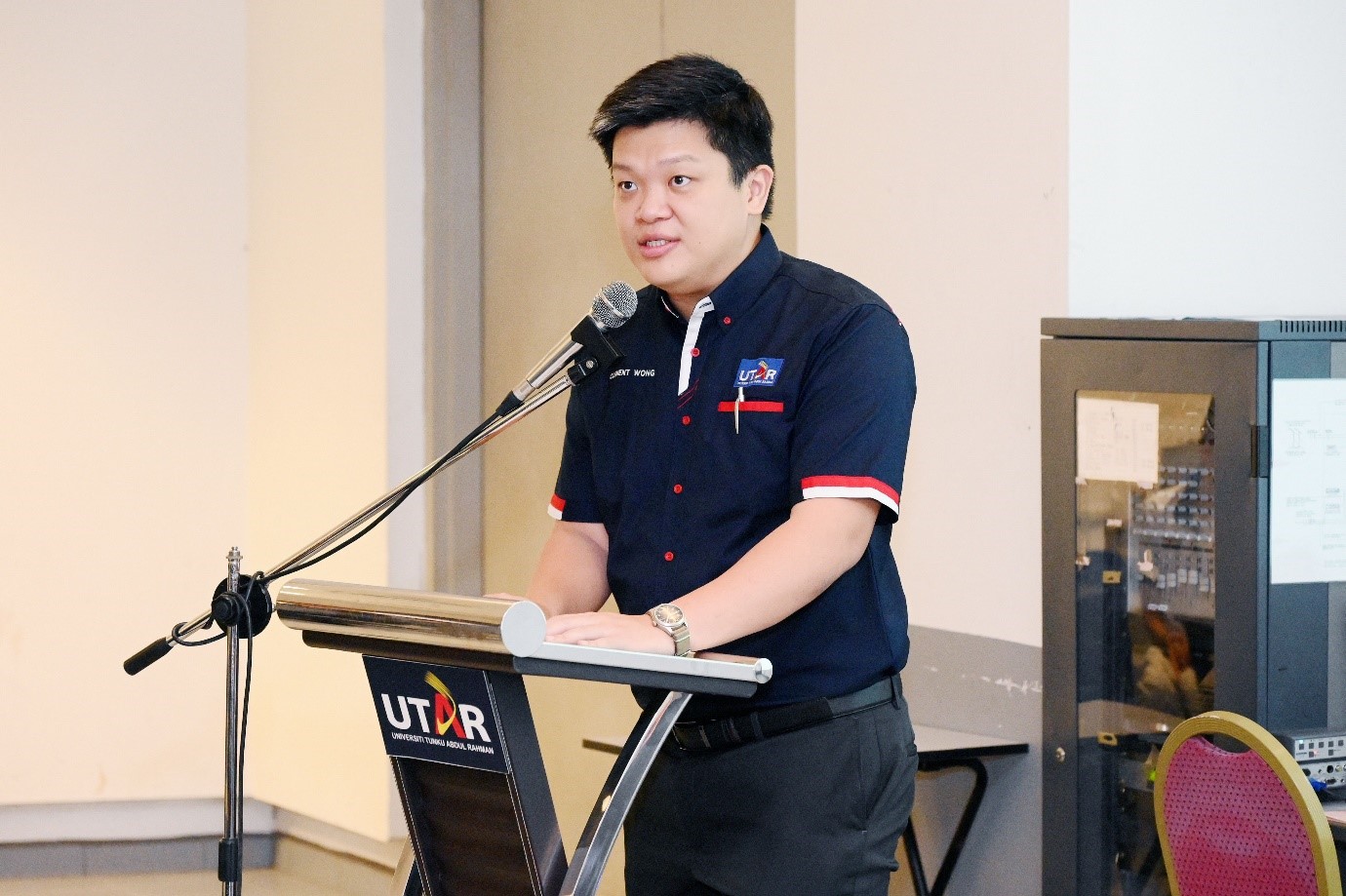
Dr Clement Wong talking about the aim of the seminar
Organising Chairperson Dr Clement Wong Kiing Fook explained, “This seminar aims to raise awareness, share valuable research findings, and provide practical meliponiculture skills that support sustainable agricultural development in Malaysia. More than that, the seminar essentially bridges the gap between research and application, initiating dialogues and fostering potential collaborations that could lead to impactful outcomes.”
Assistant Director of the Department of Agriculture Malaysia, Ts Jason Ong Choong Yew, served as the moderator. The first presenter was UTAR academic from FSc Dr Ng Wen Jie. In his talk, From Hive to Health: Unravelling the Multifaceted Bioactive Properties of Malaysian Stingless Bee Honey, he explored the antioxidant capacity, antibacterial efficacy, and antihyperglycemic potential of stingless bee honey, highlighting its value as a natural therapeutic agent. His findings further highlighted the multifunctional bioactive potential of stingless bee honey, supporting its broader application in nutraceutical development.
The next speaker, Akademi Kelutut Malaysia Principal Mr Abu Hassan Jalil, presented Sustainable Meliponiculture with Vernacular Architecture of the Malay Archipelago. He raised concerns about the unstandardised and often haphazard design of stingless bee housing. His presentation introduced new ideas and innovations aimed at creating ideal Beescapes for meliponaries, placing bee comfort as the foremost consideration. Participants were also enlightened to a selection of constructive possibilities tailored to the availability of materials, site topography, and the geographical conditions of their Meliponary locations, ranging from the Indian Subcontinent and the Himalayan States to ASEAN countries.
Mr Mohd Razif Mamat, a scientist at the Malaysian Genome and Vaccine Institute, taught participants on differentiating natural and artificial honey through his presentation on The Difference between Natural vs. Artificial Honey and the RapidRAW Honey Screening Test Kit. He mentioned that a study estimates up to 90% of honey on the market is counterfeit. He emphasised that counterfeit honey can negatively impact health and lead to serious illnesses such as diabetes and kidney damage. To address this issue, the RapidRAW screening test technology was developed, and he elaborated on its functionality and significance.
The final speaker, entomologist and senior lecturer from Universiti Putra Malaysia, Dr Syari bin Jamian highlighted the major challenges faced in the stingless bee farming industry during his presentation on Establishment and Management of Stingless Bee: Stingless Bee Pest Management. He explained that pest infestations can threaten colony health, reduce honey yield, and disrupt the sustainability of the enterprise. He described common stingless bee pests, their modes of attack, and environmentally friendly management strategies that can be applied by beekeepers. He emphasised that an integrated pest management approach that minimises the use of chemical pesticides is crucial to ensure the sustainability of stingless bee populations and the quality of hive products.
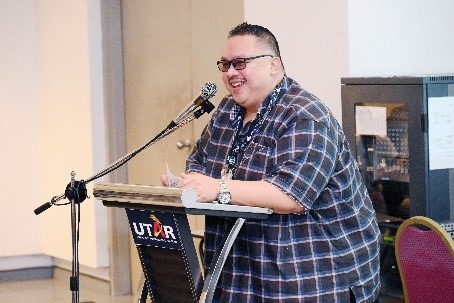
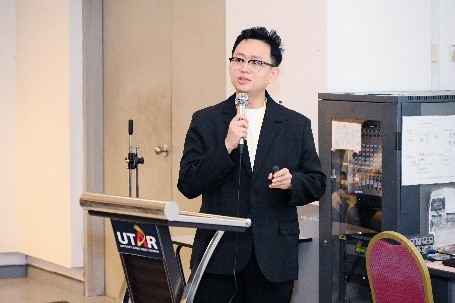
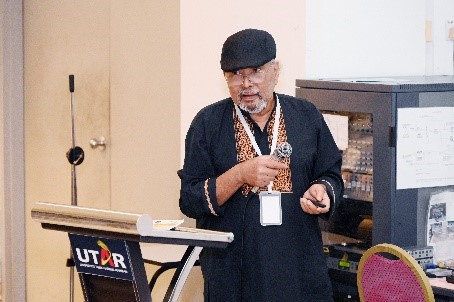
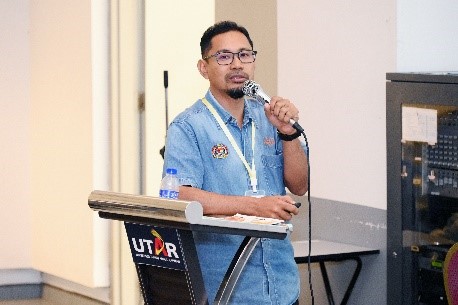
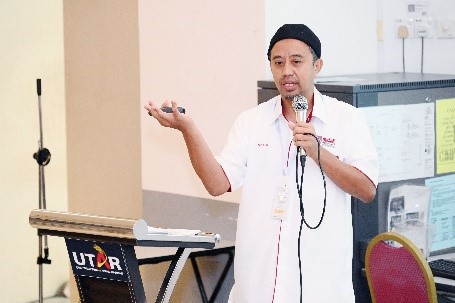
Top row, from left: Ts Jason Ong, Dr Ng, and Mr Abu Hassan
Bottom row, from left: Mr Mohd Razif, and Dr Syari
Later, two interesting workshops were conducted, providing participants a more wholesome experience. The first workshop was a beehive demonstration, conducted by the Chairman of Perak Meliponiculture Entrepreneurs & Breeders Association, Mr Ikhwan Nadzir Mohamad. Participants were treated to front-row seats learning about the way bees work together in harmony, their behaviours, hive management, and honey harvesting techniques.
The workshop on honey soap making, conducted by the Secretary of Perak Meliponiculture Entrepreneurs & Breeders Association, Mr Mohd Shamsuriyadi bin Mamat, guided participants through a step-by-step soap-making process. Given stingless bee honey’s rich antioxidants, antimicrobial properties, and gentle nourishing qualities, the workshop provided participants the knowledge and confidence to continue creating honey soap at home.
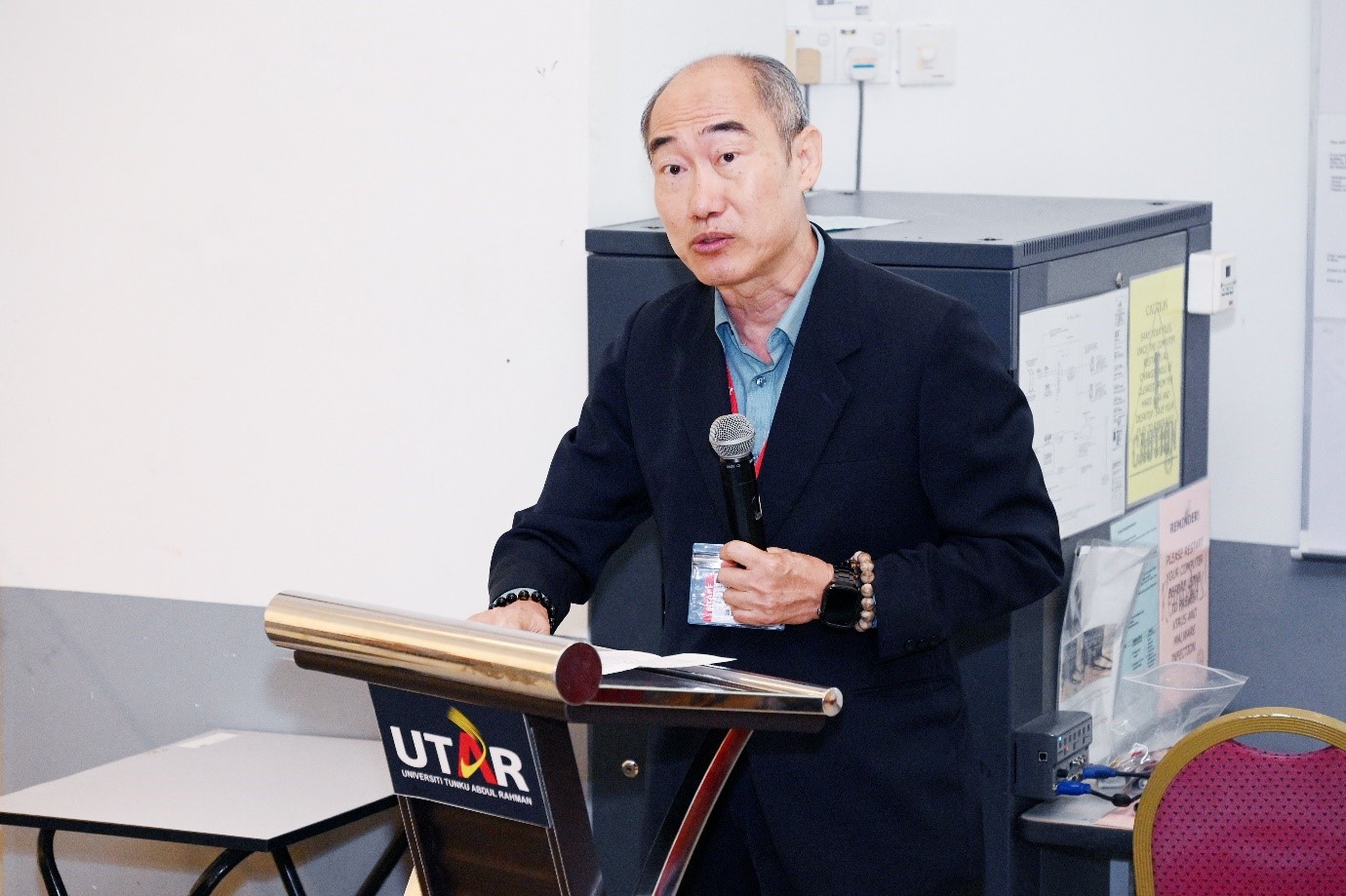
Dr Lim emphasising the importance of sustainable agriculture
In his closing remark, FSc Dean Assoc Prof Dr Lim Tuck Meng reemphasised, “As we navigate the pressing global challenges of climate change and food security, embracing sustainable and nature-based solutions like stingless beekeeping has never been more important. I am glad that the seminar provided a platform for the exchange of knowledge, ideas, and best practices. It was an opportunity to deepen our understanding, foster new collaborations, and inspire actions that contribute to the growth and sustainability of stingless beekeeping in Malaysia.”
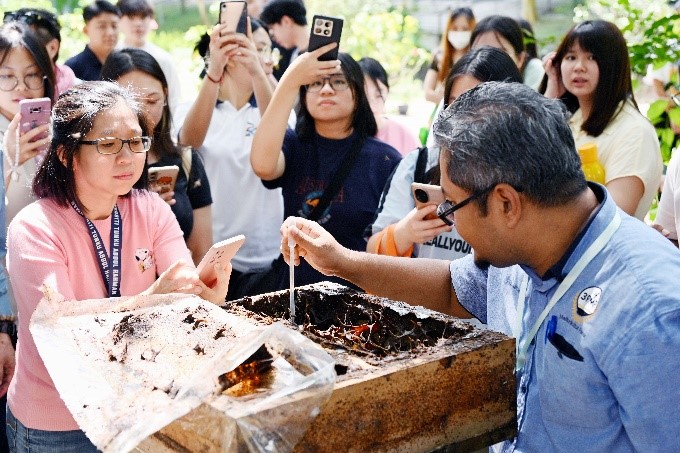
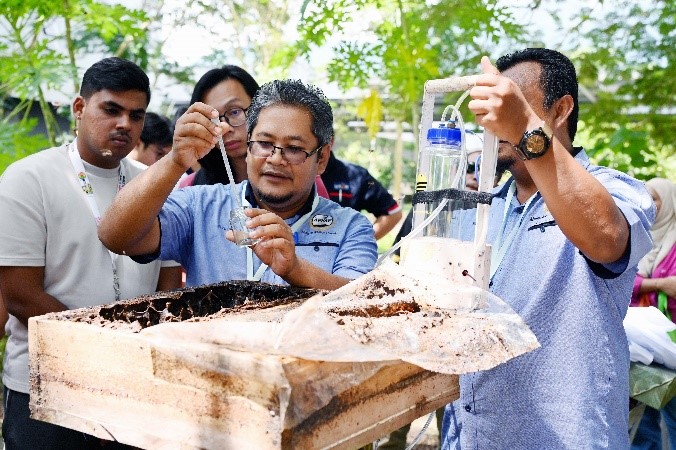
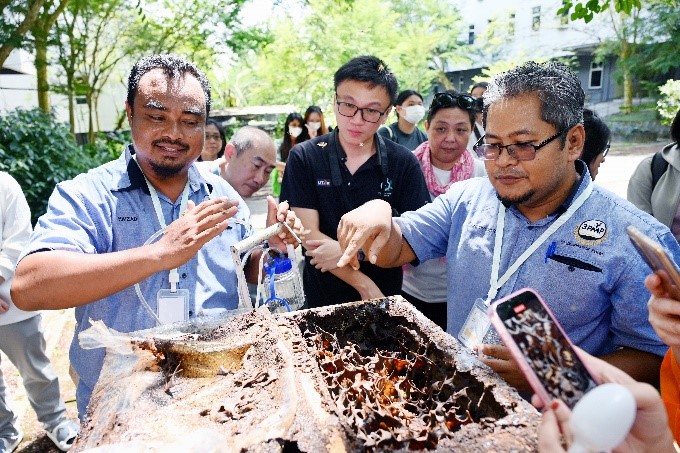

Beehive demonstration workshop

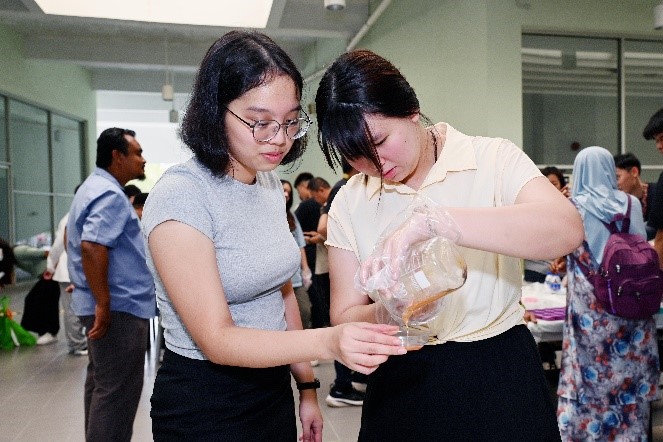
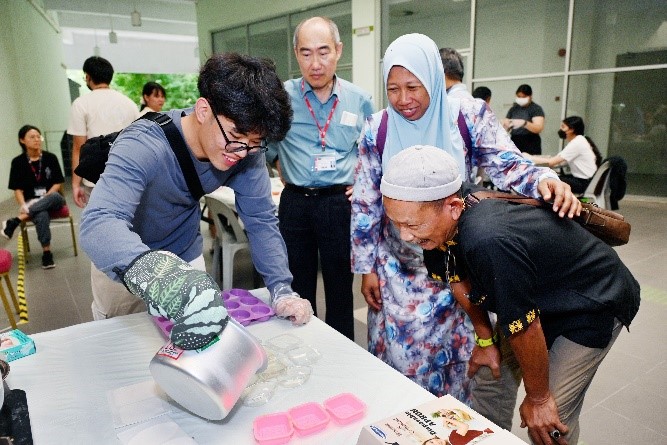
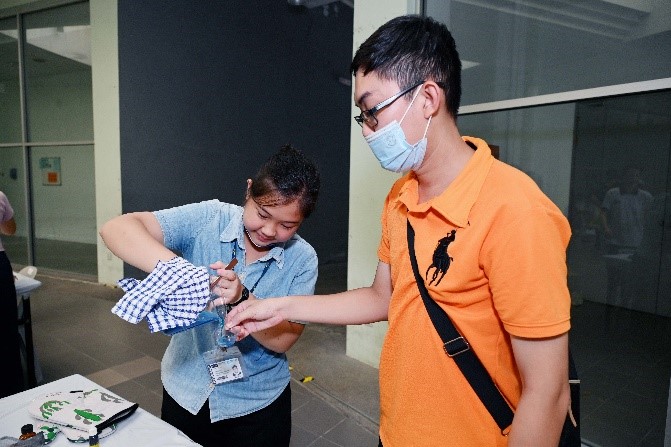
Honey soap making workshop
© 2025 UNIVERSITI TUNKU ABDUL RAHMAN DU012(A).
Wholly owned by UTAR Education Foundation (200201010564(578227-M)) LEGAL STATEMENT TERM OF USAGE PRIVACY NOTICE