
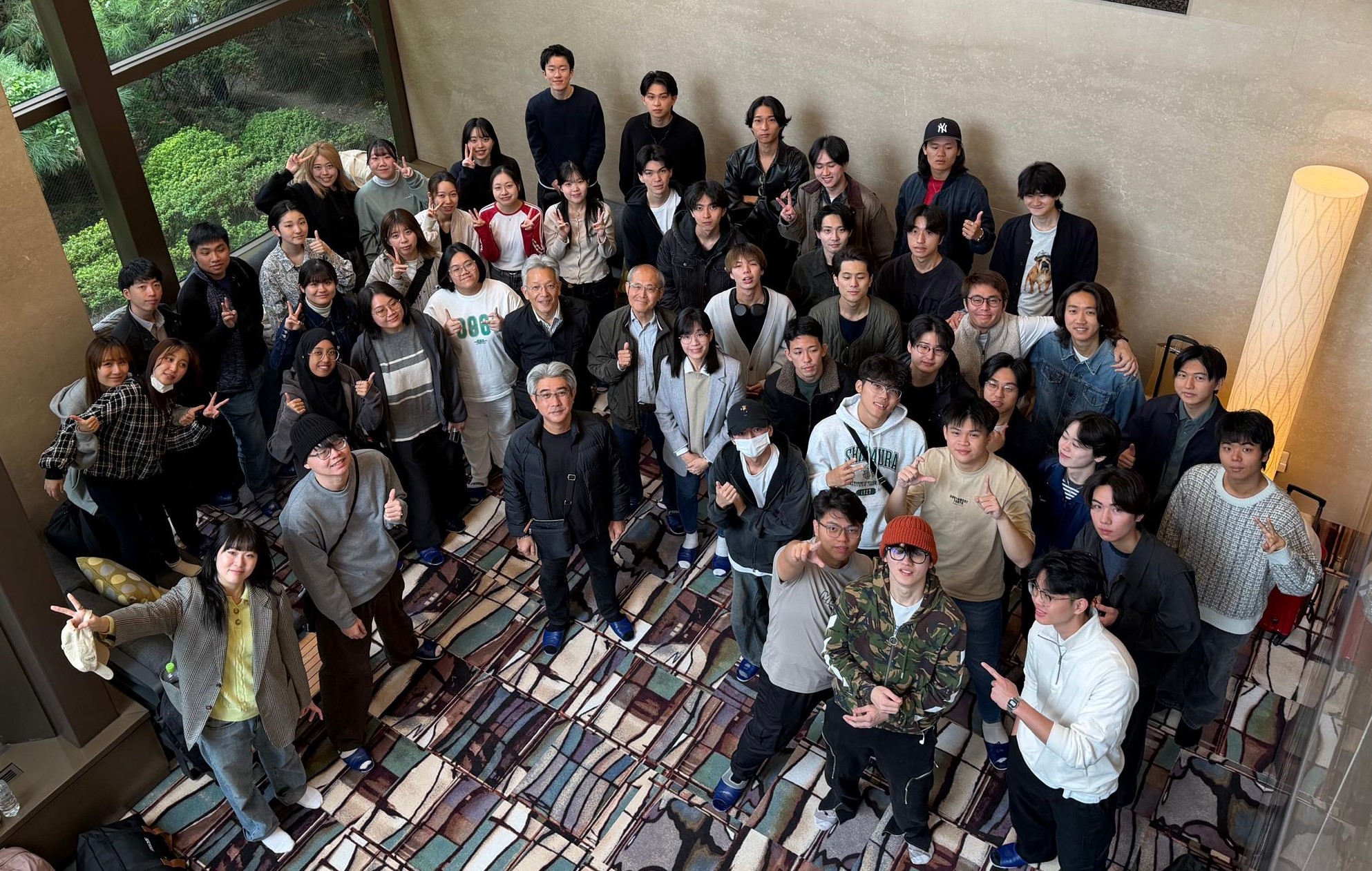
UTAR students and academic, together with SIT students and academics, were the stars of the successful collaborative workshop
It started with an exquisite taste at a cozy izakaya in the Kiba district – the basashi, a horse meat sashimi, served with thinly sliced garlic, green onions, and soy sauce. There, the UTAR students met with Ms Fuuka, the leader of the previous workshop held in UTAR Kampar Campus, who guided and briefed the students. It signified the beginning of their educational workshop journey, ignited by an authentic culinary experience. The UTAR students were also accompanied by Faculty of Engineering and Green Technology (FEGT) academic, Ts Dr Tan Zi Yi, from the Department of Construction Management. They were warmly welcomed by Shibaura Institute of Technology (SIT) Toyosu Campus academics Prof Dr Shide Kazuya, Prof Dr Kanisawa Hirotake, and Prof Dr Mine Naoto.
This round, the workshop was themed Digital Fabrication, focusing on using software to create products with laser cutter and ShopBot (timber cutter). It also brought attention to the impact of collaboration between both institutions and the advancement of digital craftsmanship. Centred on innovation with wood, the workshop saw participants brainstorming ways to create functional wooden products without using nails or metal joints, relying purely on interlocking design and precision cutting. These products were created through digital design and computer-controlled fabrication, moving beyond traditional woodworking methods.
The students were divided into teams, and each showcased their creativity and products’ practical application. The products produced were: intricate, laser-cut aesthetic lampshades that played with light and shadow; a modular and portable PC stand that could be assembled into a single flat board for easy storage; a horn-shaped wooden speaker, exploring acoustics and digital fabrication with ShopBot; a sturdy stool and a desk organiser made from sustainable and efficient materials; and a smartphone stand and stool.
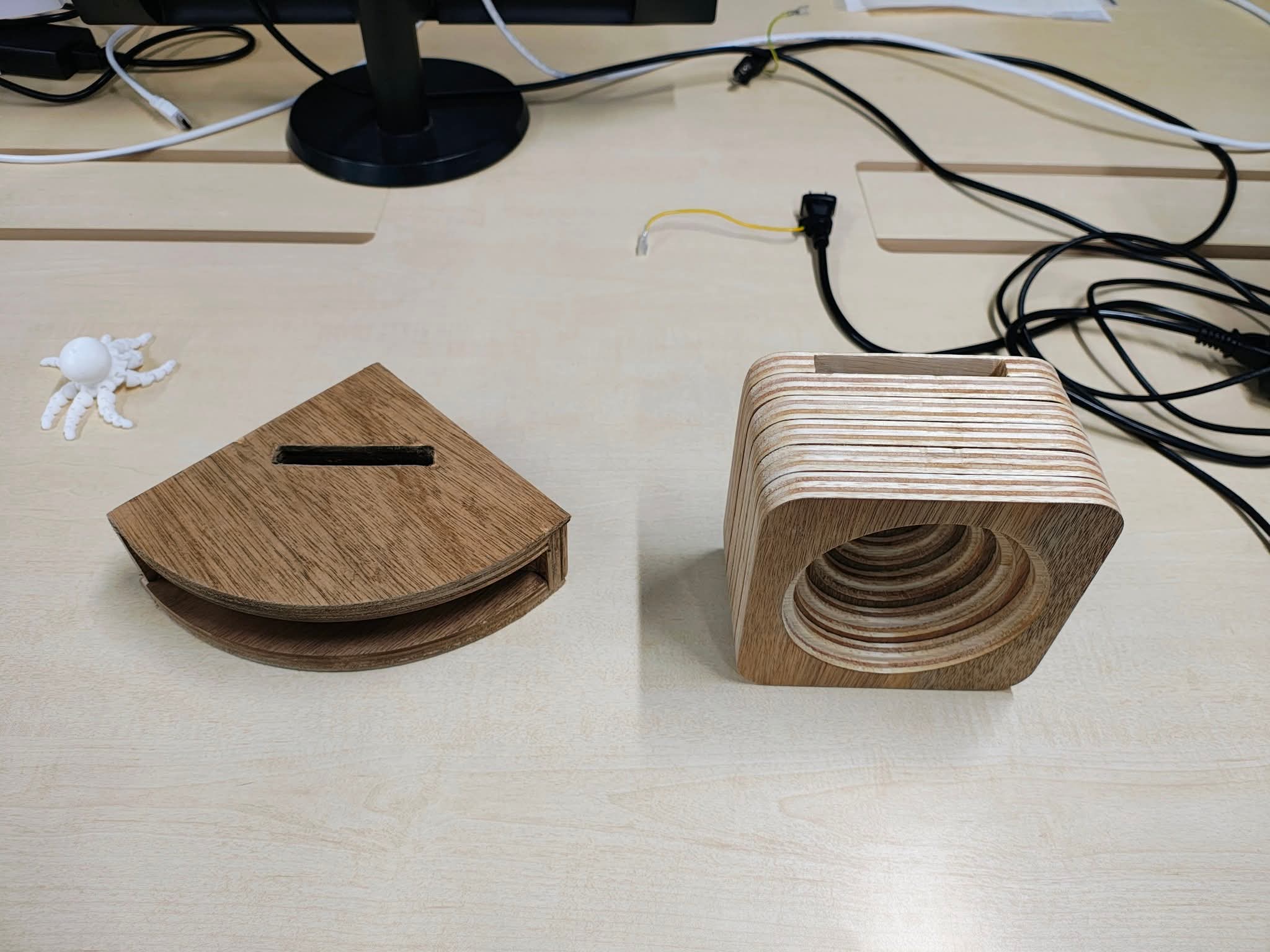
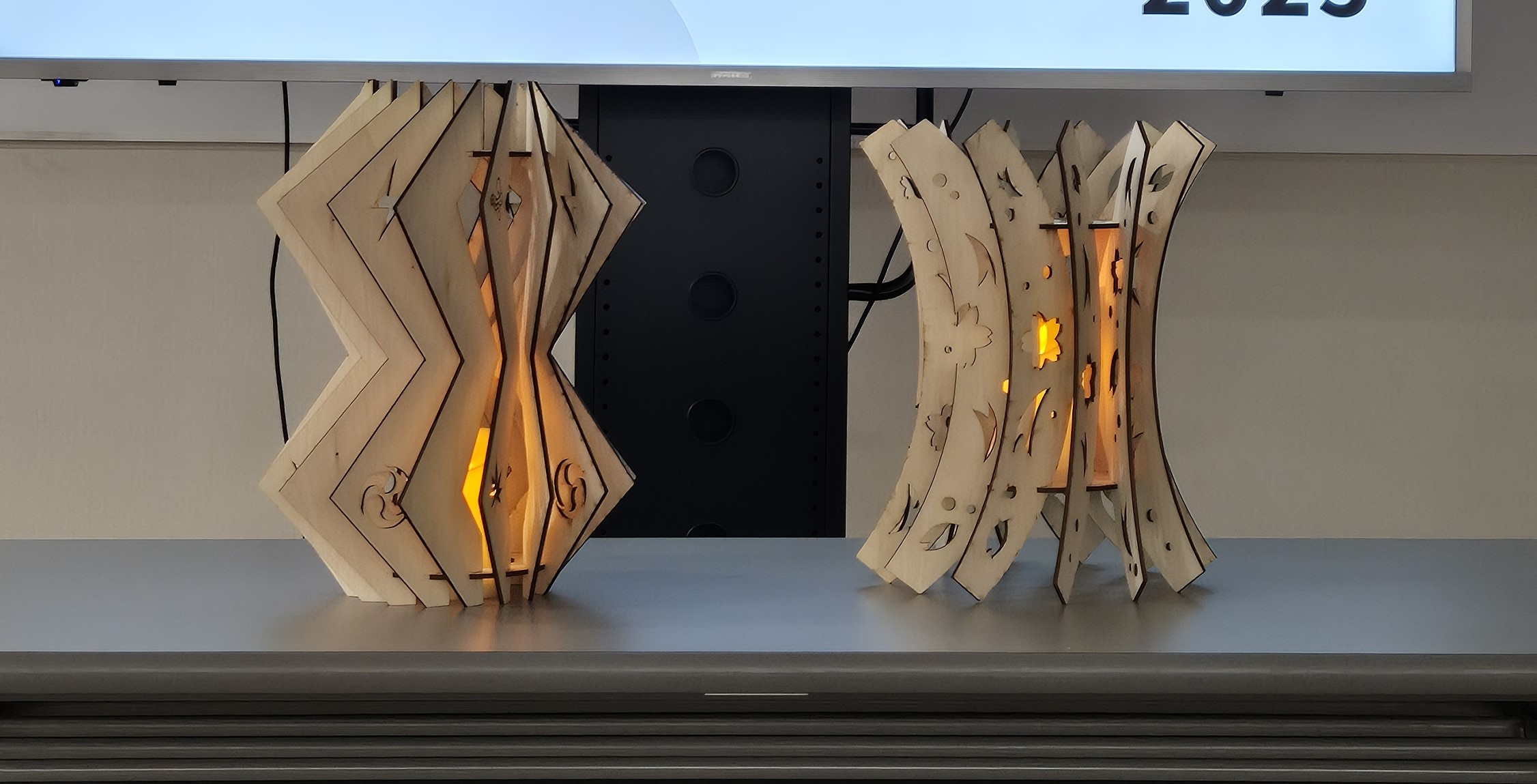
Some of the wooden products
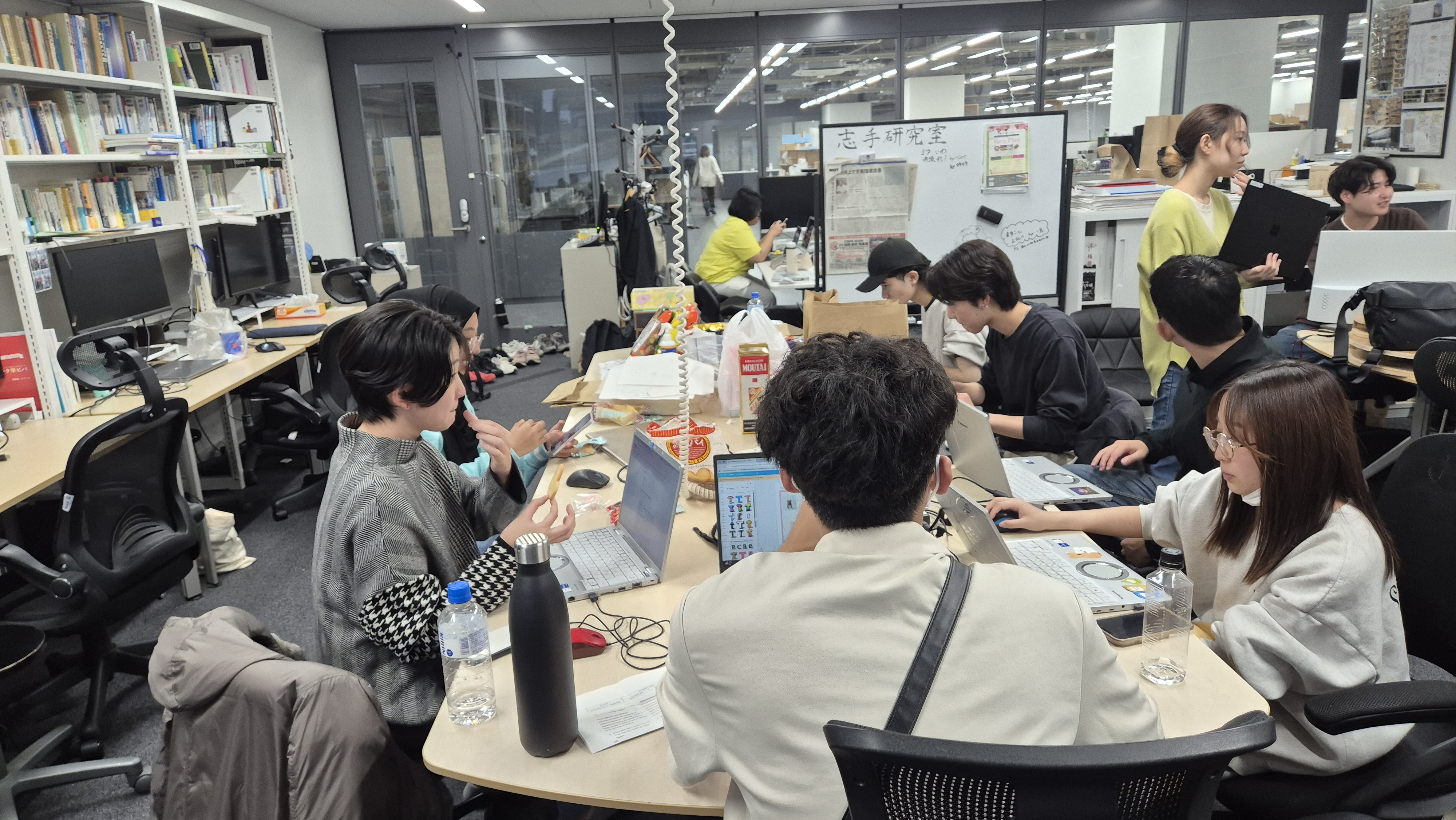
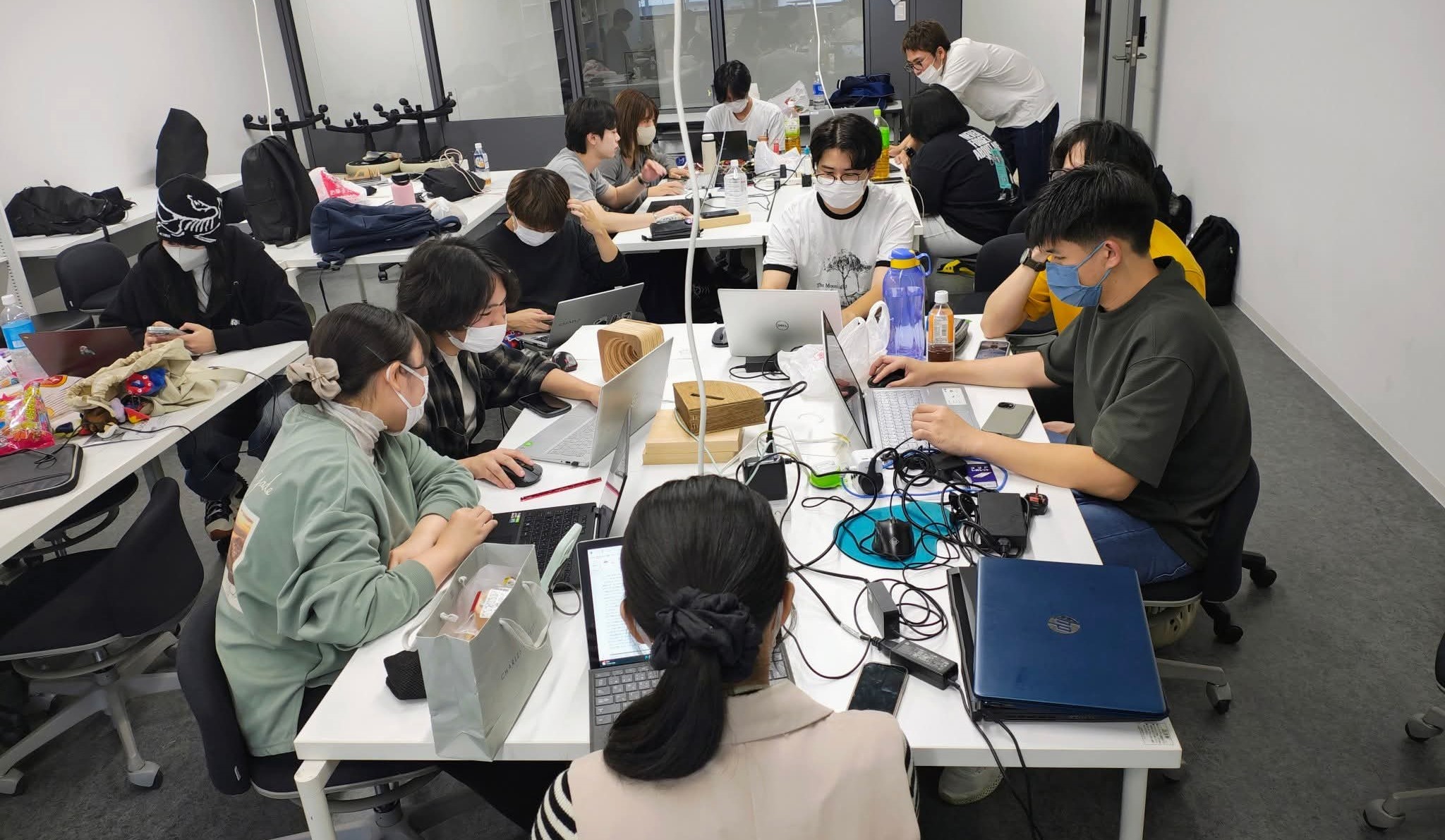
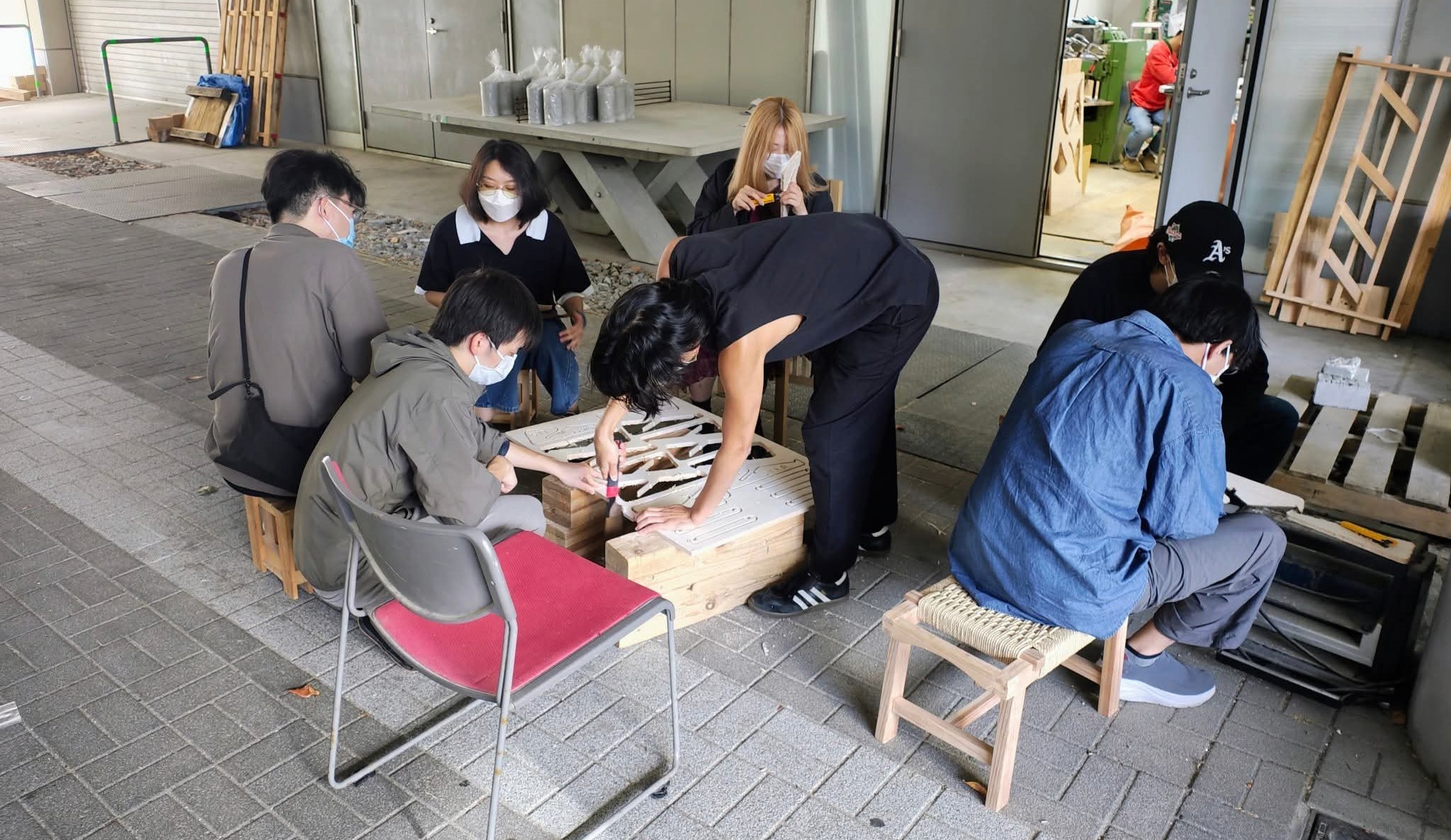
Students working on their wooden models
The digital fabrication workflow involved digital design and prototyping; physical fabrication; and hands-on finishing. The initial design work saw the students using software like AutoCAD, Rhino, Revit, and Aspire/VCarve, allowing them to visualise the final product and test assembly. When the digital designs were ready, students used two key machines: a laser cutter and the ShopBot CNC machine. The laser cutter enabled precise cutting and intricate detailing, which were required for the components, while the ShopBot was used for cutting larger structural wooden components. For the finishing touches, students engaged in sanding and polishing the cut wooden pieces, as well as assembling and testing them, fitting the interlocking joints together without nails to check for strength, stability, and functionality. Overall, it provided the students with a comprehensive, hands-on understanding of modern digital fabrication.
While the academics provided in-depth insights at the workshop, the students also had the opportunity to learn from the industry experts, offering them glimpses into Japanese industrial excellence. Their visit to Takenaka Corporation R&D’s advanced acoustic room left them stunned. Still at Takenaka Corporation R&D, the students visited the advanced testing facilities for earthquakes, wind, and fire-resistant timber, and learnt about Japan’s commitment to safety and sustainability, rooted in rigorous research and development.
In contrast, the visit to the Shimizu Corporation site left the students impressed with the cleanliness and tidiness of the site. They were also given explanations on the use of technology and automation on-site, and learnt about exemplary safety protocols, as well as efficient waste management and recycling systems.
Their experiences were enriched with excursions where they saw the giant Gundam statue in Odaiba, the serene Meiji Shrine, the historic Senso-ji Temple in Asakusa, and the vibrant Shibuya Crossing. All these experiences enabled them to dive into a cultural immersion as they explored Tokyo and beyond while building lasting friendships along the way. With the curtain drawn on the workshop, the goodbyes became solid evidence of the end of their educational journey.
This tenth edition of the workshop once again reflected the strong partnership between UTAR and SIT, serving as a critical link between academic knowledge from Malaysia and world-class industrial practices in Japan. It was also a testament to both institutions’ commitment to nurturing students with a global mindset, as they learn to operate and build friendships in a multicultural environment, breaking down cultural and language barriers.
The workshop was truly an opportune platform for the UTAR students to further hone their technical and practical skills, enhance their confidence through cross-cultural communication and teamwork, and strengthen their problem-solving skills when facing challenges during model construction. Ultimately, it benefited the students as they experienced personal growth and a stronger mindset, essentially preparing them to be leaders in their fields of expertise.
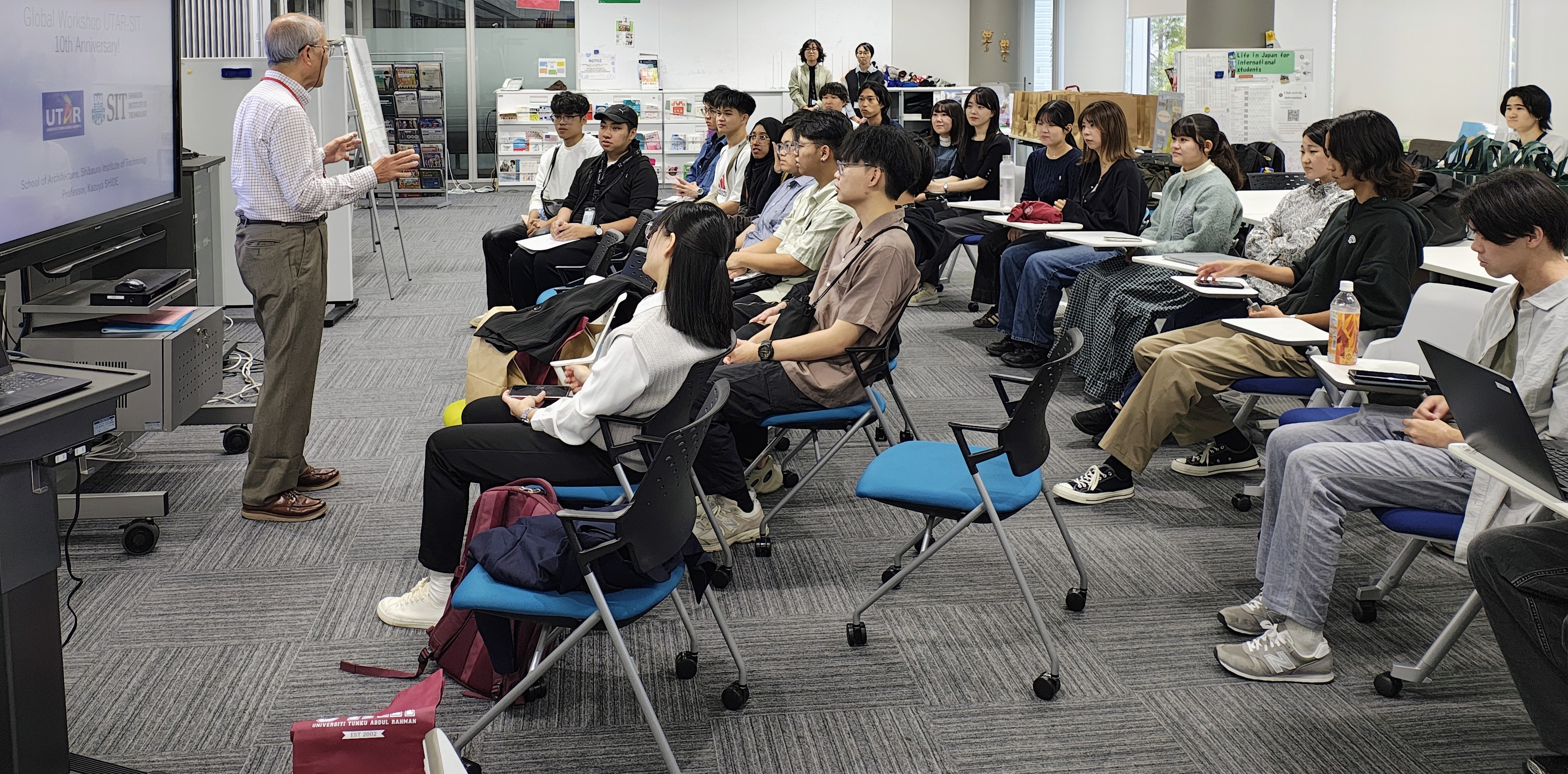
Prof Mine Naoto explaining the theme and module of the workshop
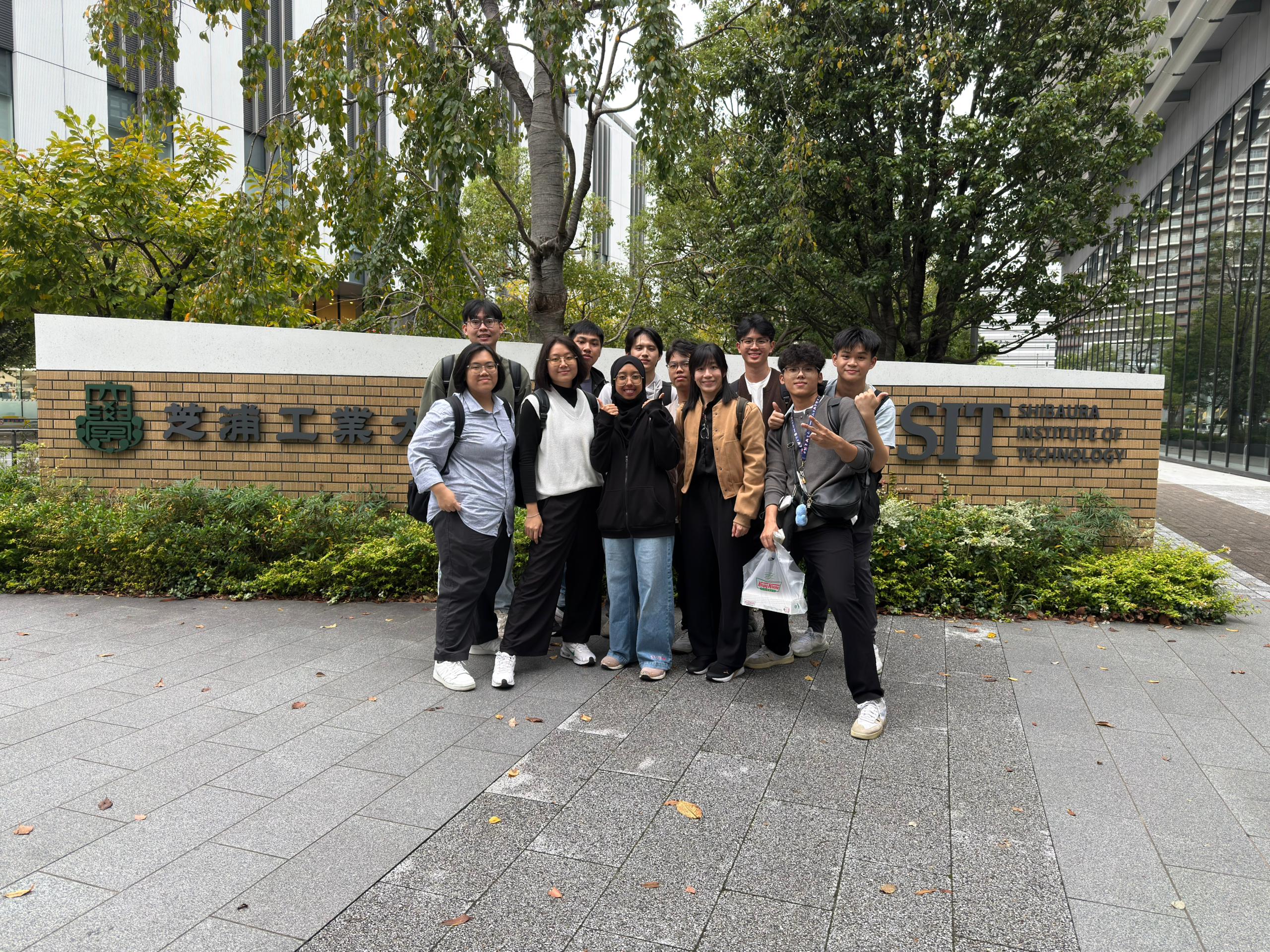
Group photo of UTAR students
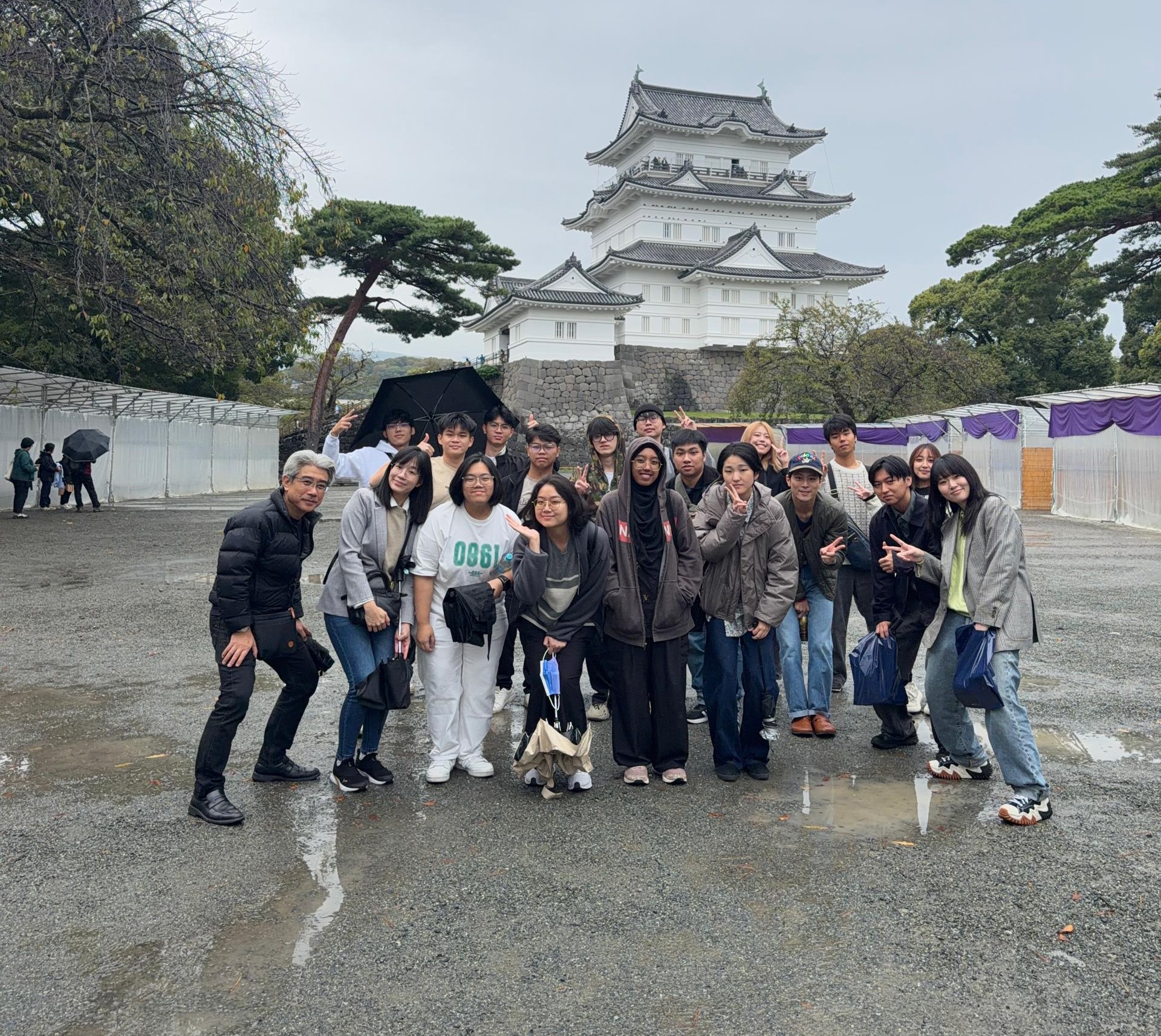
Excursion to Odawara Castle in Kanagawa Prefecture
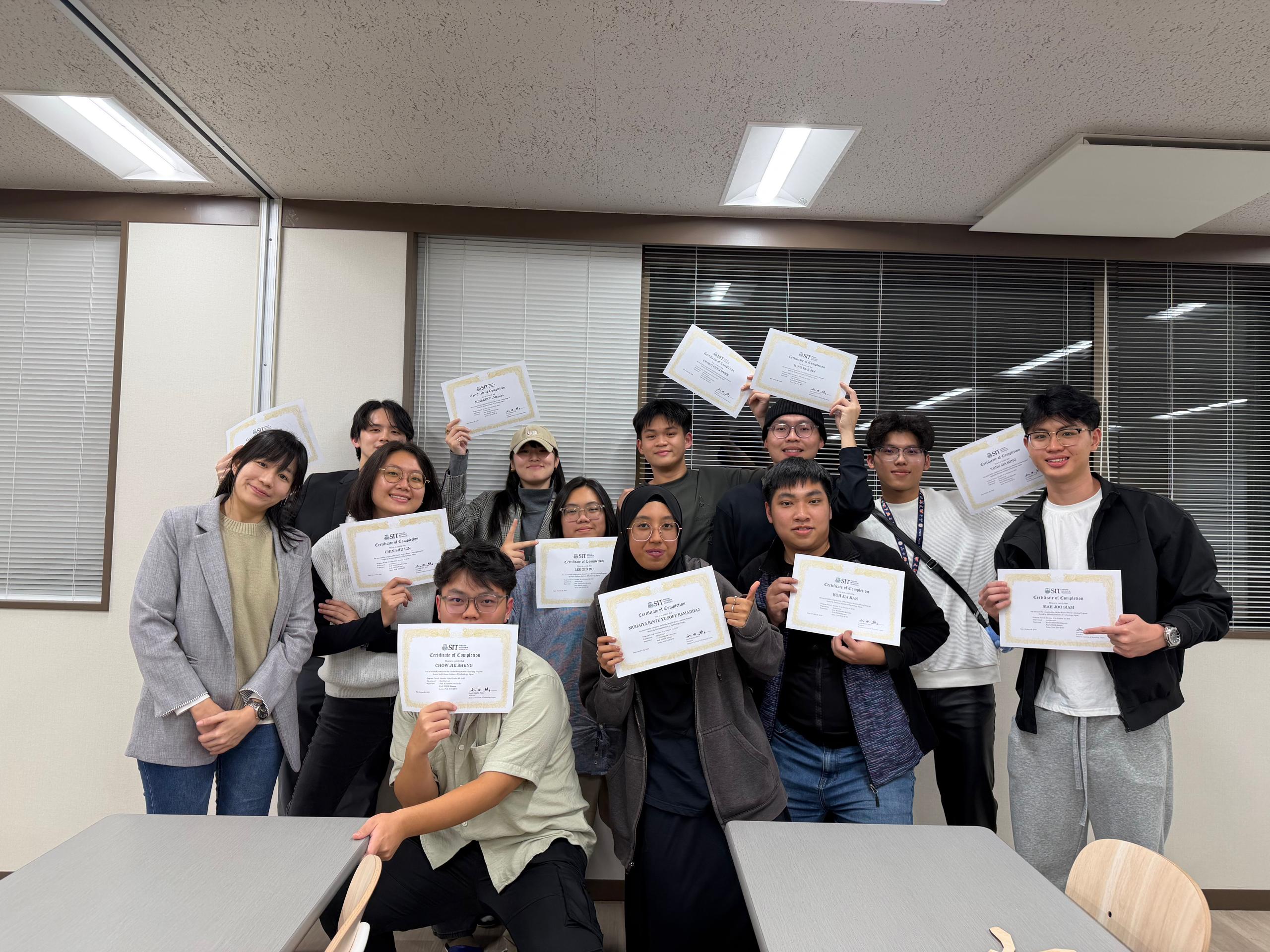
UTAR students displaying their certificates of completion
© 2025 UNIVERSITI TUNKU ABDUL RAHMAN DU012(A).
Wholly owned by UTAR Education Foundation (200201010564(578227-M)) LEGAL STATEMENT TERM OF USAGE PRIVACY NOTICE