
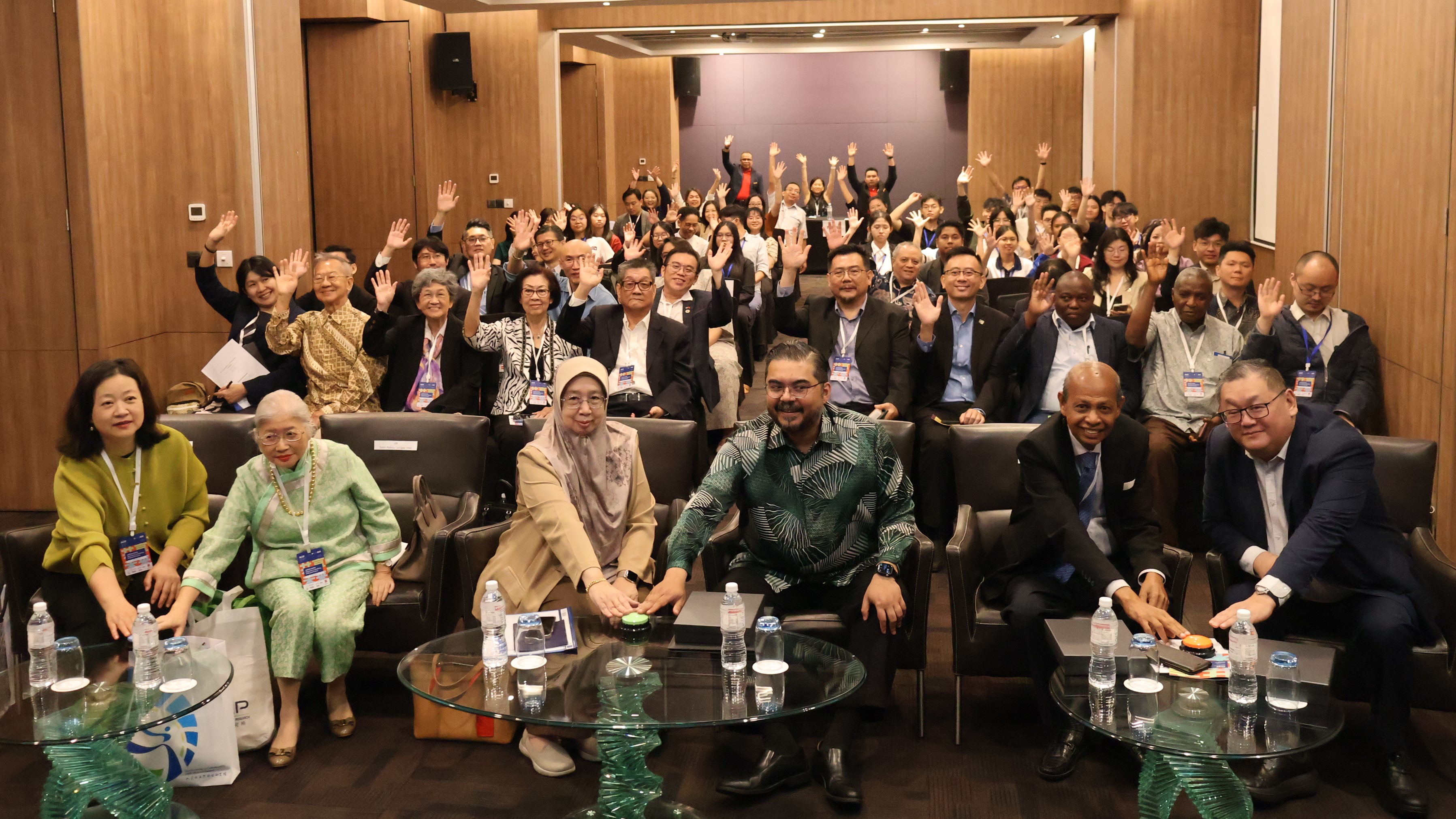
The launching of the conference (front row, from left): Prof Zhang, Datin Paduka Tan, Prof Zuraidah, Mr Fairuz, Datuk Abdul Majid and Mr Dennis Seng
The ACSF International Conference 2025, themed ASEAN–China Dynamics in Building a Shared Future, was held on 15 November 2025 at Ibis Kuala Lumpur City Centre. The event brought together scholars and experts to explore pathways for enhancing trust and cooperation between ASEAN nations and China.
Jointly organised by the Tun Tan Cheng Lock Institute of Social Studies (TCLI), the ASEAN Research Centre for a Community with Shared Future (ACSF), the Institute of Community with Shared Future (ICSF) from the Communication University of China (CUC), and the Institute of Social Economic Research (ISER) from Tunku Abdul Rahman University of Management and Technology (TAR UMT), the conference served as a key platform for academic dialogue on regional connectivity. The event was supported by The Star, Sin Chew Daily, and Astro Awani as media partners.
The opening ceremony featured distinguished guests, including Ministry of Foreign Affairs, ASEAN External Affairs Division, ASEAN-Malaysia National Secretariat Deputy Director-General Mr Fairuz Adli Mohd Rozali; United Malacca Berhad Chairman Datin Paduka Tan Siok Choo; Malaysia-China Friendship Association (PPMC) President Datuk Abdul Majid Ahmad Khan; ibis Kuala Lumpur City Centre General Manager Mr Dennis Seng; UTAR Vice President for R&D and Commercialisation Prof Dr Zuraidah binti Abd Manaf; and ICSF Vice Dean Prof Dr Zhang Yanqiu, among others.
In his speech, Mr Fairuz highlighted that ASEAN–China relations, which began in 1991, have developed into a comprehensive strategic partnership, supported by strong economic, cultural, and people-to-people cooperation. Malaysia, as the current coordinator for ASEAN–China dialogue (2024–2027), is committed to advancing initiatives that deliver tangible benefits, including collaboration in trade, emerging technologies, energy security, and low-carbon development. He noted that these efforts will contribute to a more prosperous, peaceful, and resilient regional community.
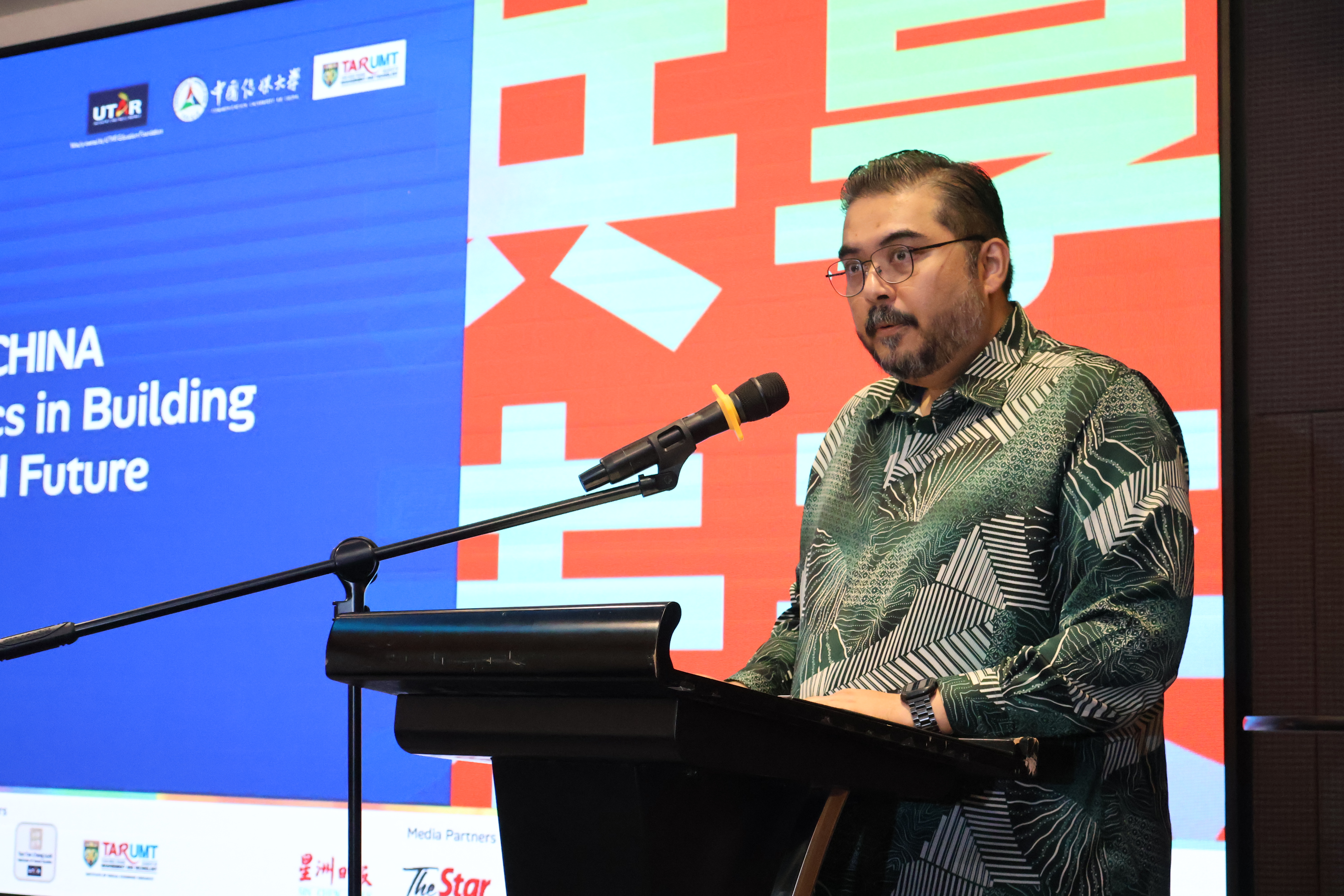
Mr Fairuz highlighting Malaysia’s role as coordinator for ASEAN–China dialogue (2024–2027)
Mr Dennis Seng, expressing his warm welcome to all attendees, said, “As we convene here in Kuala Lumpur, Ibis Kuala Lumpur City Centre reaffirms its commitment to showcasing Malaysian hospitality. We hope that today’s experience will encourage all our guests to return, especially during Visit Malaysia 2026.”
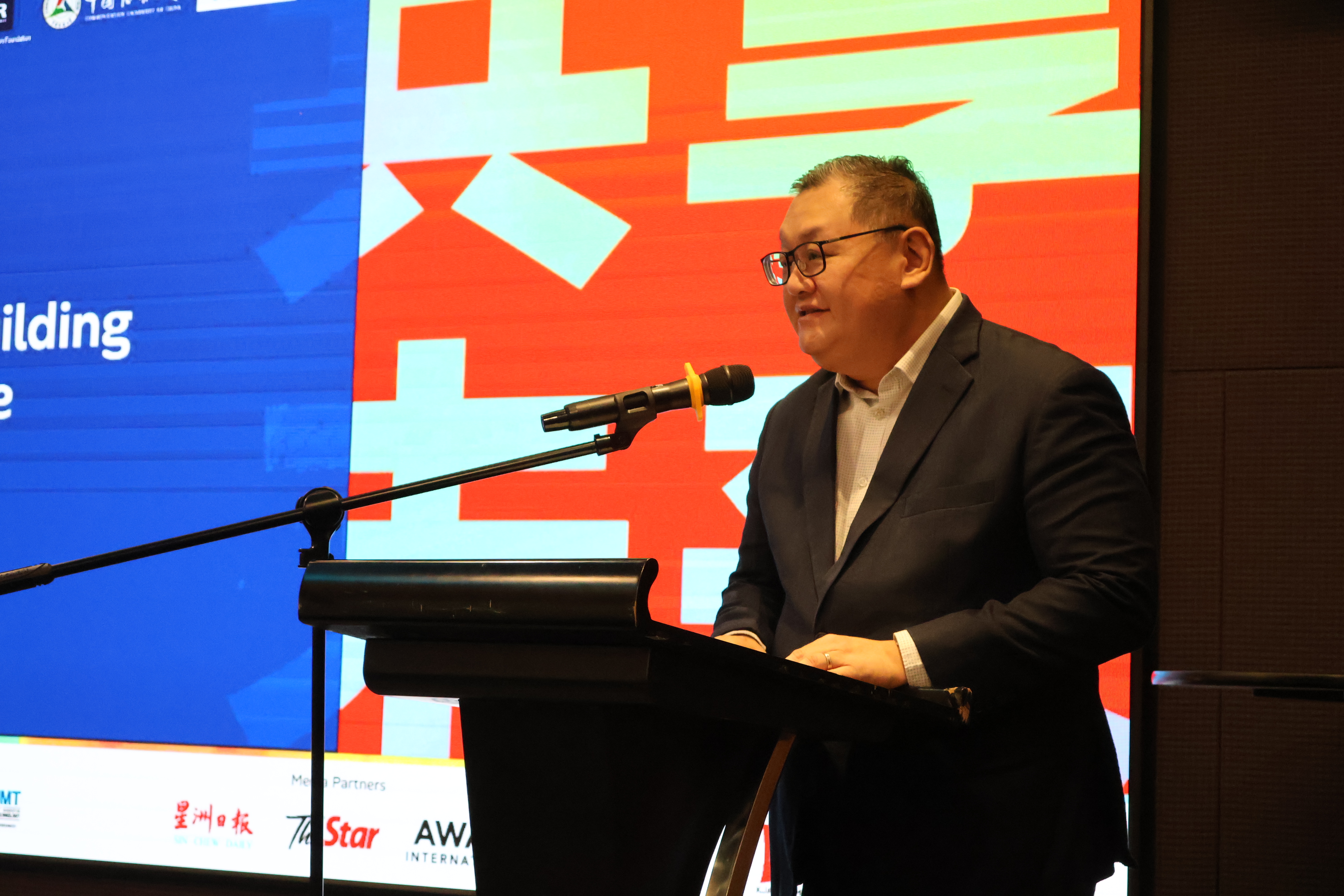
Mr Dennis Seng welcoming participants to the conference
Prof Zuraidah emphasised the vital role of universities and research institutions such as UTAR and CUC as bridges of knowledge and friendship, noting that joint research, academic exchange, and nurturing young talent can deepen understanding and contribute meaningfully to a peaceful and harmonious regional community.
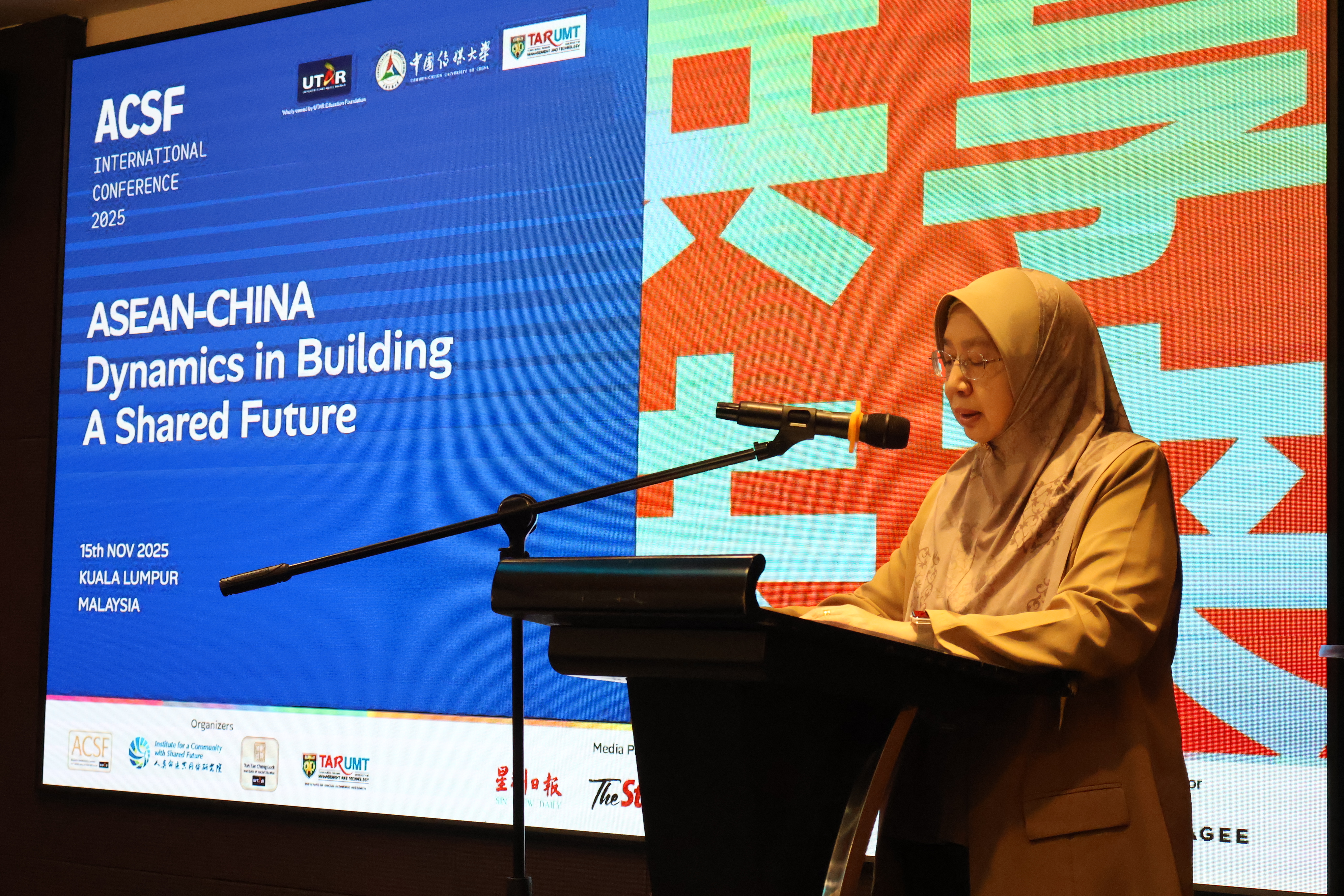
Prof Zuraidah emphasising the role of universities as bridges of knowledge and friendship
Prof Zhang expressed confidence that, through the joint efforts of CUC and UTAR, the ACSF will continue to grow into a world-class academic platform. He urged participants to use the conference to enhance academic exchanges, consolidate cooperation achievements, and contribute to building a prosperous, peaceful, secure, and harmonious China-ASEAN Community of Shared Future.
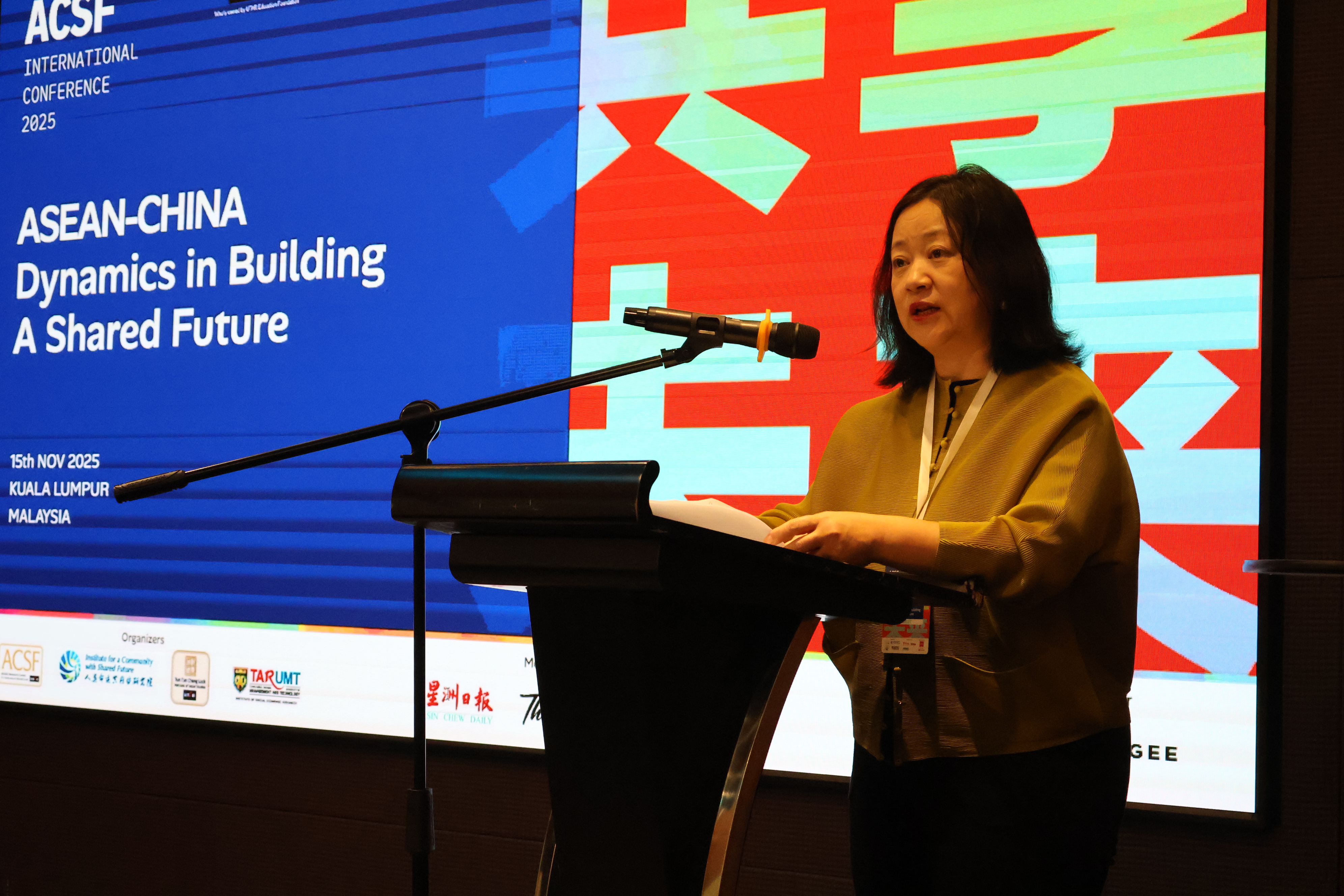
Prof Zhang expressing confidence in the growth of the ACSF academic platform
The keynote addresses by Datin Paduka Tan and Datuk Abdul Majid offered insights on regional cooperation. Datin Paduka Tan highlighted the foresight of her grandfather, the late Tun Tan Cheng Lock, who had anticipated major geopolitical shifts, including the collapse of Soviet communism, France’s loss of Vietnam, and China’s rise as a global power. She noted his dedication to understanding Chinese history and culture, which helped foster early interethnic cooperation in Malaya.
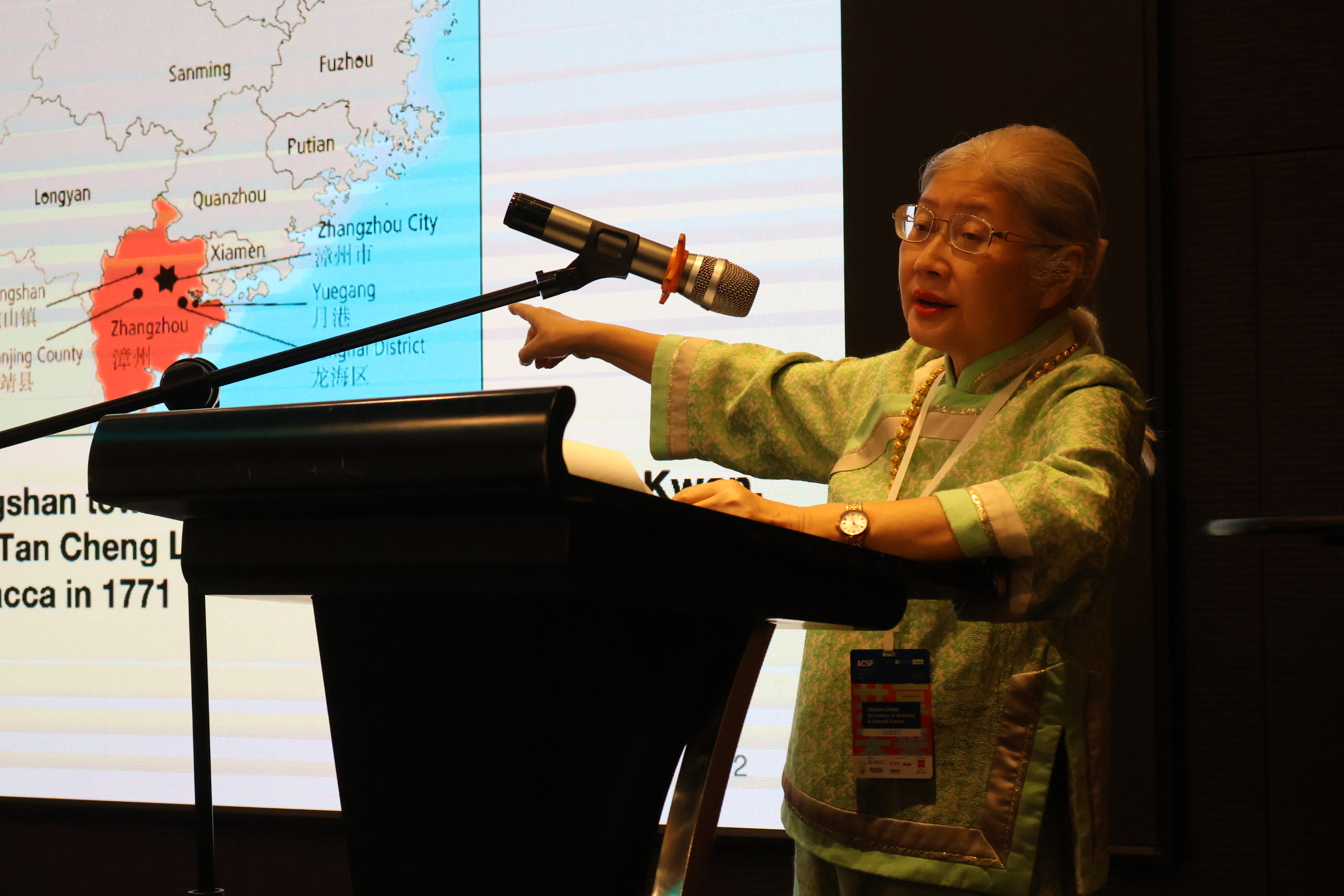
Datin Paduka Tan sharing her keynote on the geopolitical foresight of the late Tun Tan Cheng Lock
Datuk Abdul Majid emphasised that ASEAN-China cooperation must be transparent and sustainable, citing the Pan-Asia Railway Initiative as a model of dialogue transforming initial misunderstandings into broad acceptance. He stressed the importance of ASEAN countries adapting China’s shared future vision at their own pace and highlighted university collaborations and people-to-people exchanges as key drivers of goodwill. He also cautioned that Sino-US rivalry offers little benefit to ASEAN, making a strengthened ASEAN-China partnership essential for regional stability and harmony.
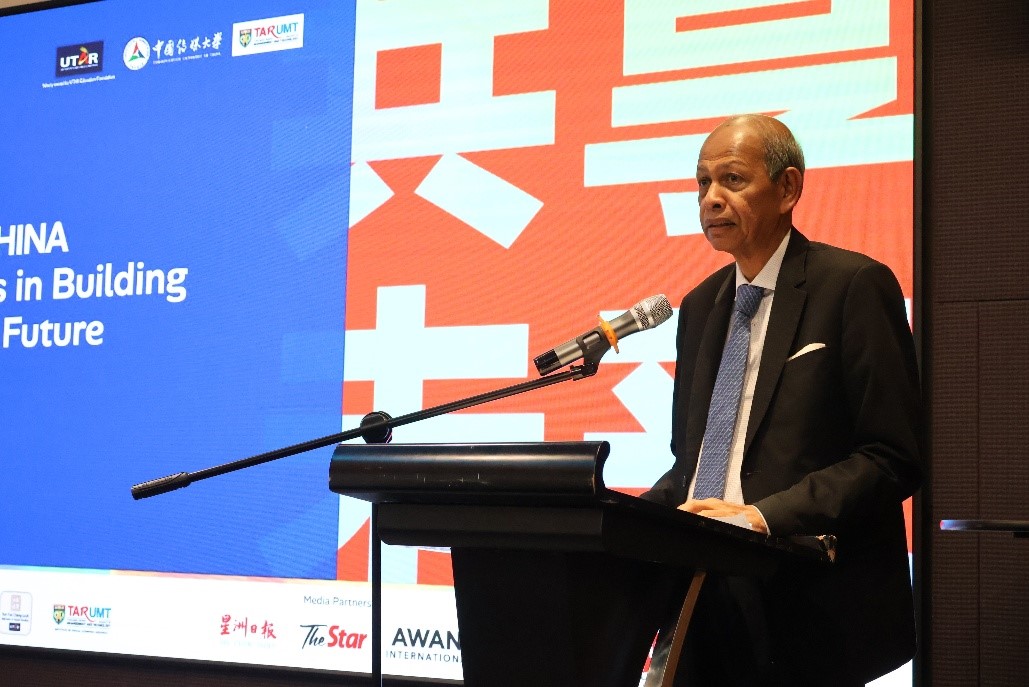
Datuk Abdul Majid calling for transparent and sustainable ASEAN–China cooperation
There were approximately 100 participants at the conference, with scholars from China, Malaysia, Singapore, the Philippines, Indonesia, Japan, and Africa presenting 25 academic papers. The papers covered topics such as regional diplomacy, economic integration, educational exchange, and sustainable development.
The conference not only fostered international academic exchange but also underscored the importance of the shared future vision in promoting practical cooperation, serving as a significant platform for dialogue within the framework of a community with a shared future for mankind.
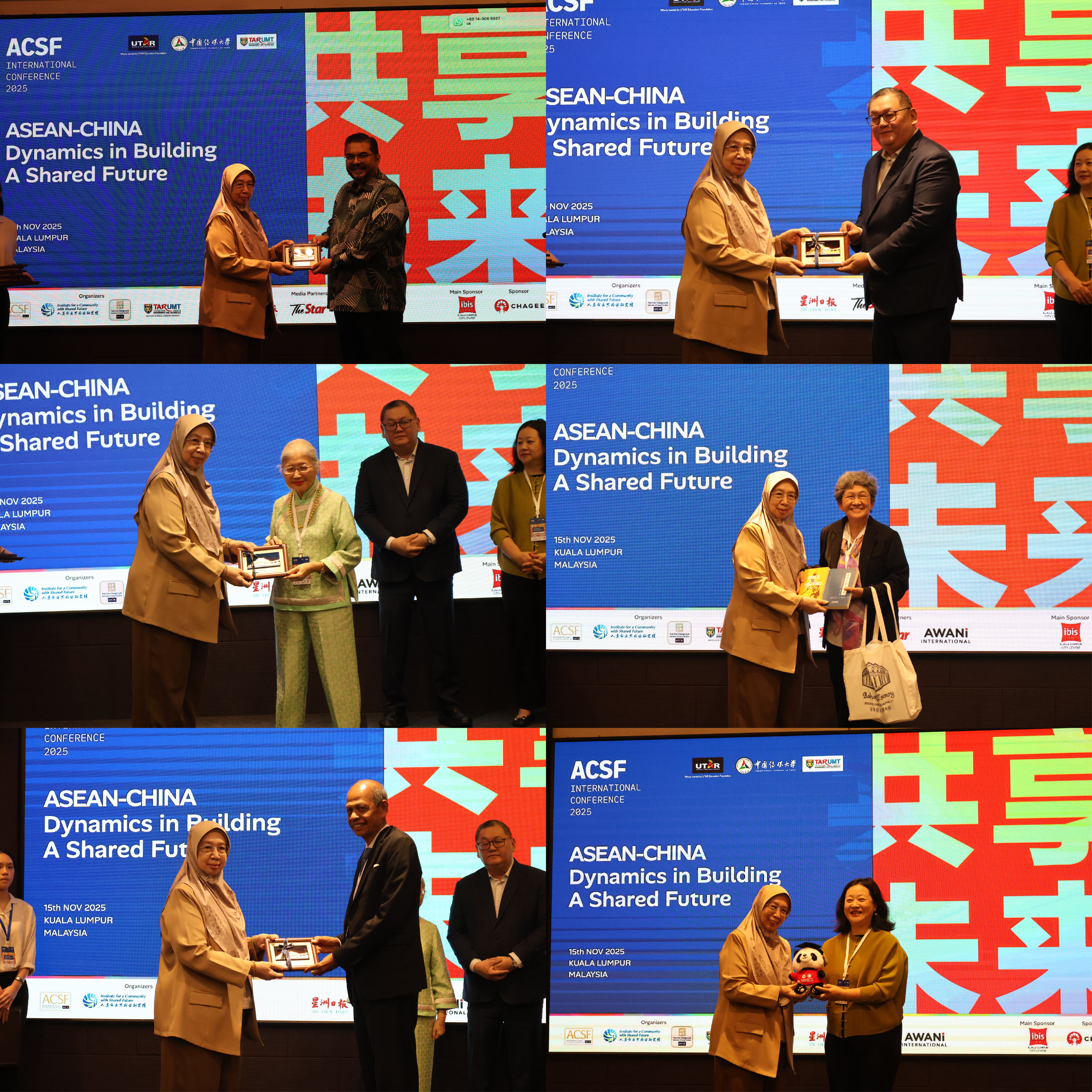
Souvenir exchange session
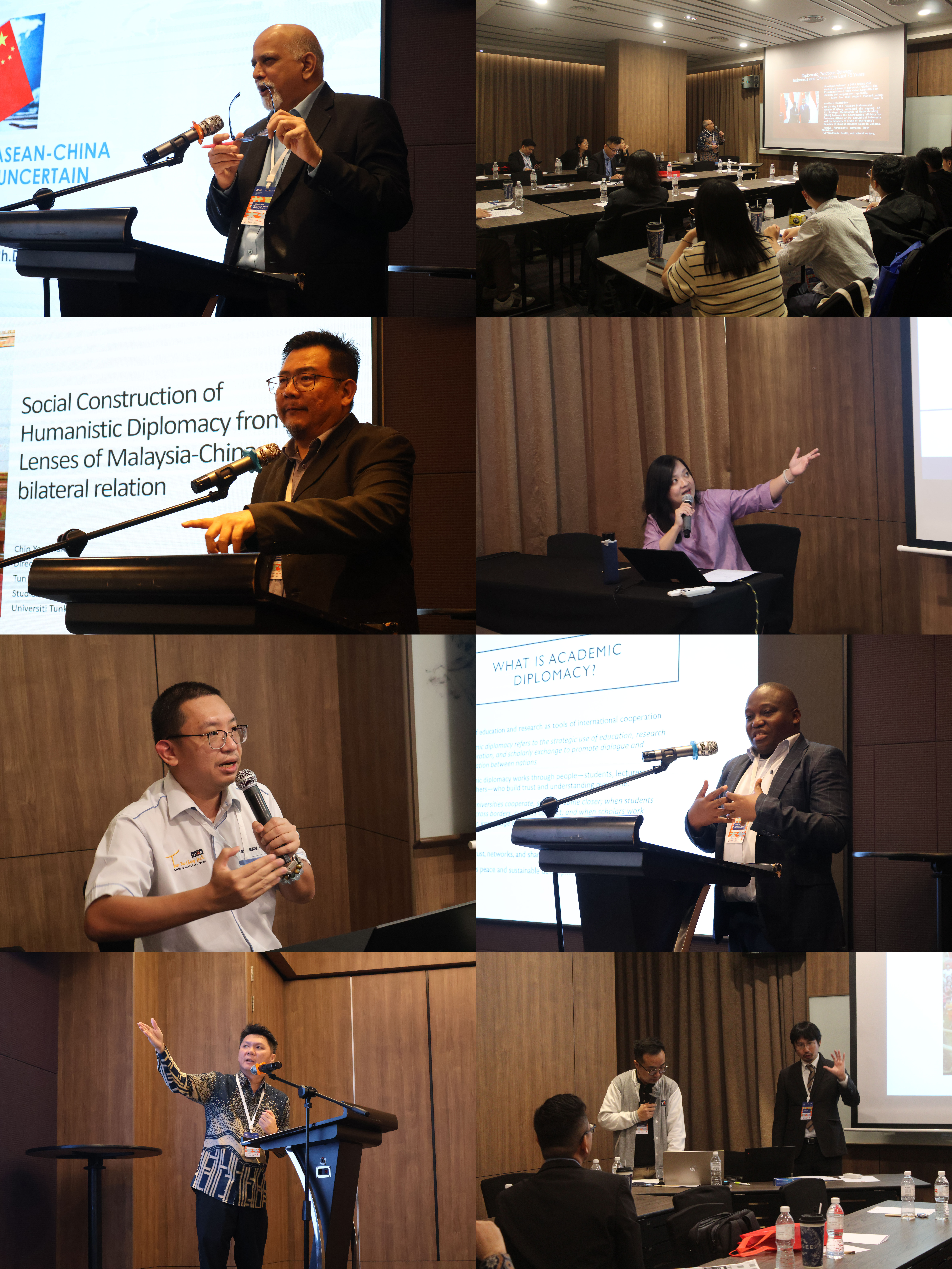
Presentation session
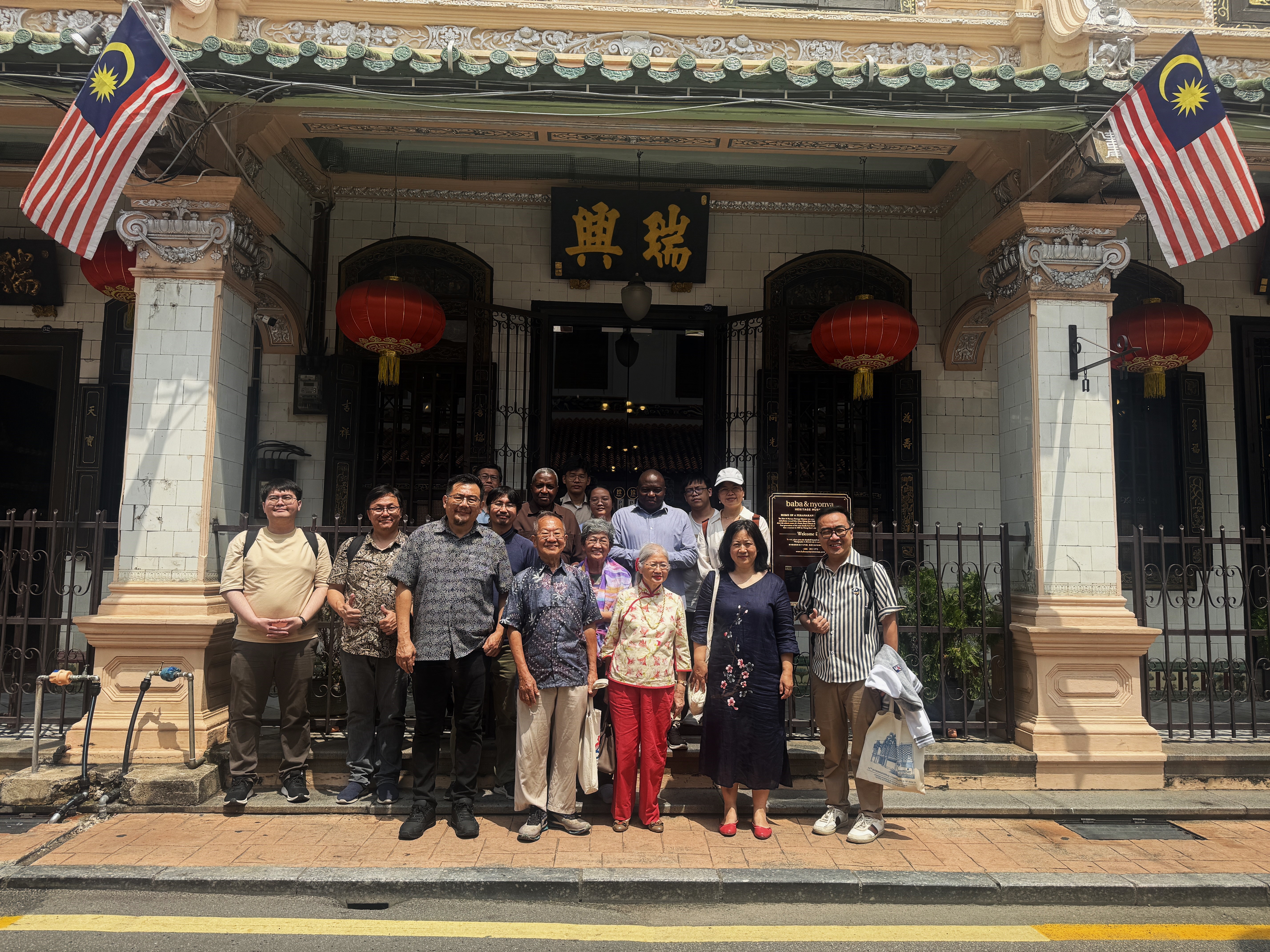
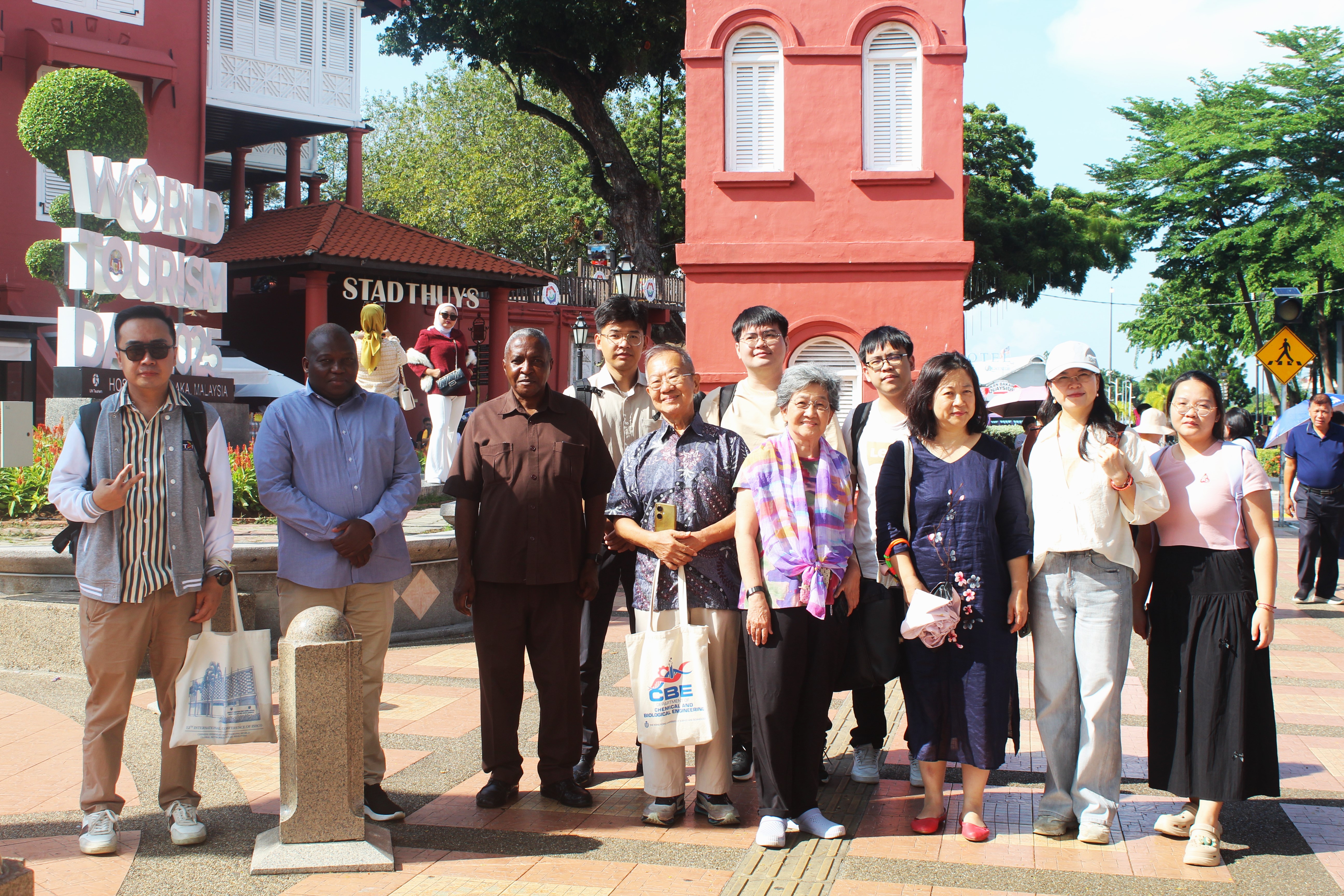
International participants of the ACSF International Conference touring Melaka
© 2025 UNIVERSITI TUNKU ABDUL RAHMAN DU012(A).
Wholly owned by UTAR Education Foundation (200201010564(578227-M)) LEGAL STATEMENT TERM OF USAGE PRIVACY NOTICE