UTAR students successfully completed the Decimal-Sat1 PocketQube Satellite Program, an intensive 80-hour structured learning and hands-on engineering initiative conducted in collaboration with OculloSpace Sdn Bhd, a Malaysia-based space technology company and a member of the International Astronautical Federation (IAF).
The Decimal-Sat1 programme was designed to provide students with practical exposure to small satellite engineering, combining foundational theory with applied learning through real-world engineering activities. Selected students from UTAR participated alongside peers from other partner institutions, gaining valuable experience aligned with industry practices in space systems development.
Structured Learning from Fundamentals to Application
The programme was delivered through a carefully structured format comprising two main phases, totalling 80 learning hours.
The first phase consisted of an online learning component, conducted from mid-December to mid-January, during which students were introduced to the fundamental concepts of pico- and nano-satellite systems. Academic and technical modules covered satellite architecture, electrical power systems, onboard computers, thermal design, spacecraft communications, orbital mechanics, regulatory considerations, and mission readiness planning. These sessions established a strong theoretical foundation for the subsequent hands-on work.
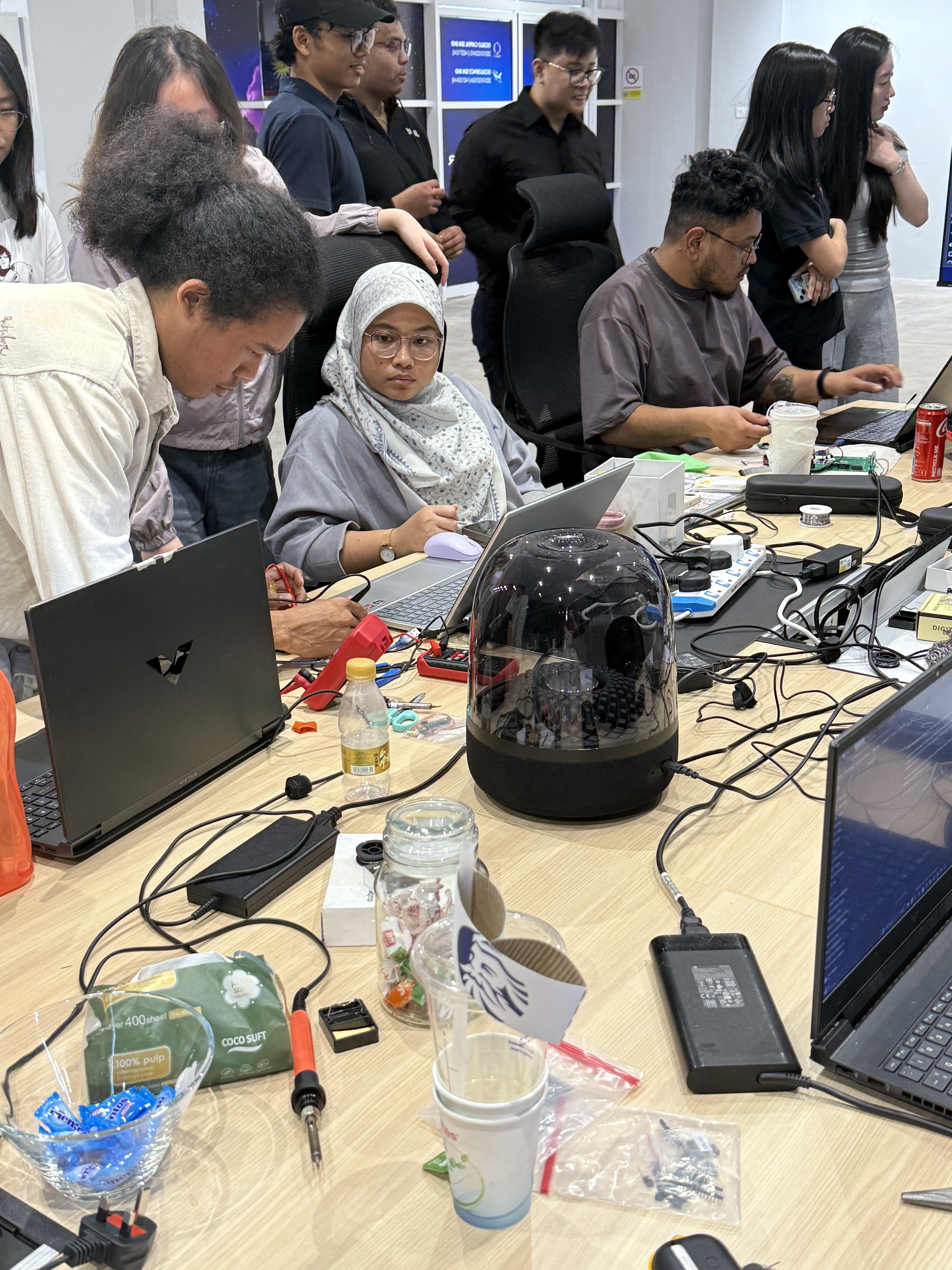
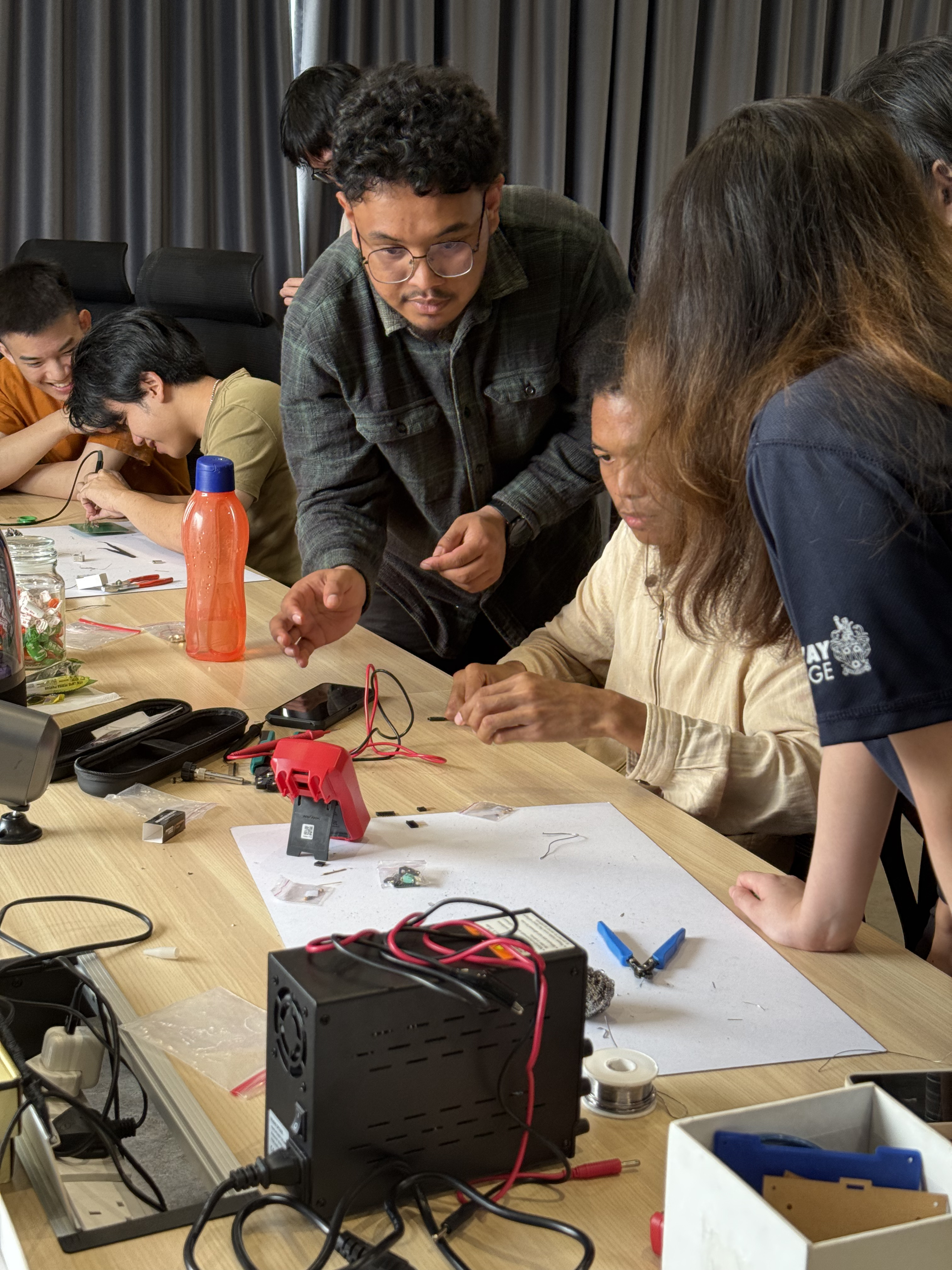
The second phase involved an on-site practical component, during which students applied their learning through guided assembly and programming activities. Under the mentorship of OculloSpace engineers, UTAR students gained direct experience in PocketQube mechanical assembly, subsystem integration, embedded programming, and basic communication testing using dedicated training kits.
PocketQube Development and Launch Preparation Exposure
As part of the programme, students contributed to the development of a functional PocketQube satellite prototype, designed to demonstrate a simple, low-cost communication link between a pocket-sized satellite and a ground station. Through this process, participants learned the fundamentals of uplink and downlink communications, data packet transmission, and system-level integration.
Students were also exposed to launch preparation concepts, including deployment mechanisms and basic orbital dynamics, as well as an overview of the confirmed Decimal-Sat1 launch opportunity targeted for March 2026, utilising a SpaceX rideshare mission with deployment services provided by Alba Orbital.
Strengthening Industry–Academia Collaboration
Participation in the Decimal-Sat1 PocketQube Satellite Program reflects UTAR’s commitment to experiential learning and industry–academia collaboration, providing students with early exposure to space engineering practices and emerging technologies.
The University extends its sincere appreciation to OculloSpace for its collaboration and technical mentorship, and congratulates the participating students on their dedication and successful completion of the programme. Initiatives such as Decimal-Sat1 play an important role in preparing graduates for future careers in the space and advanced engineering sectors.
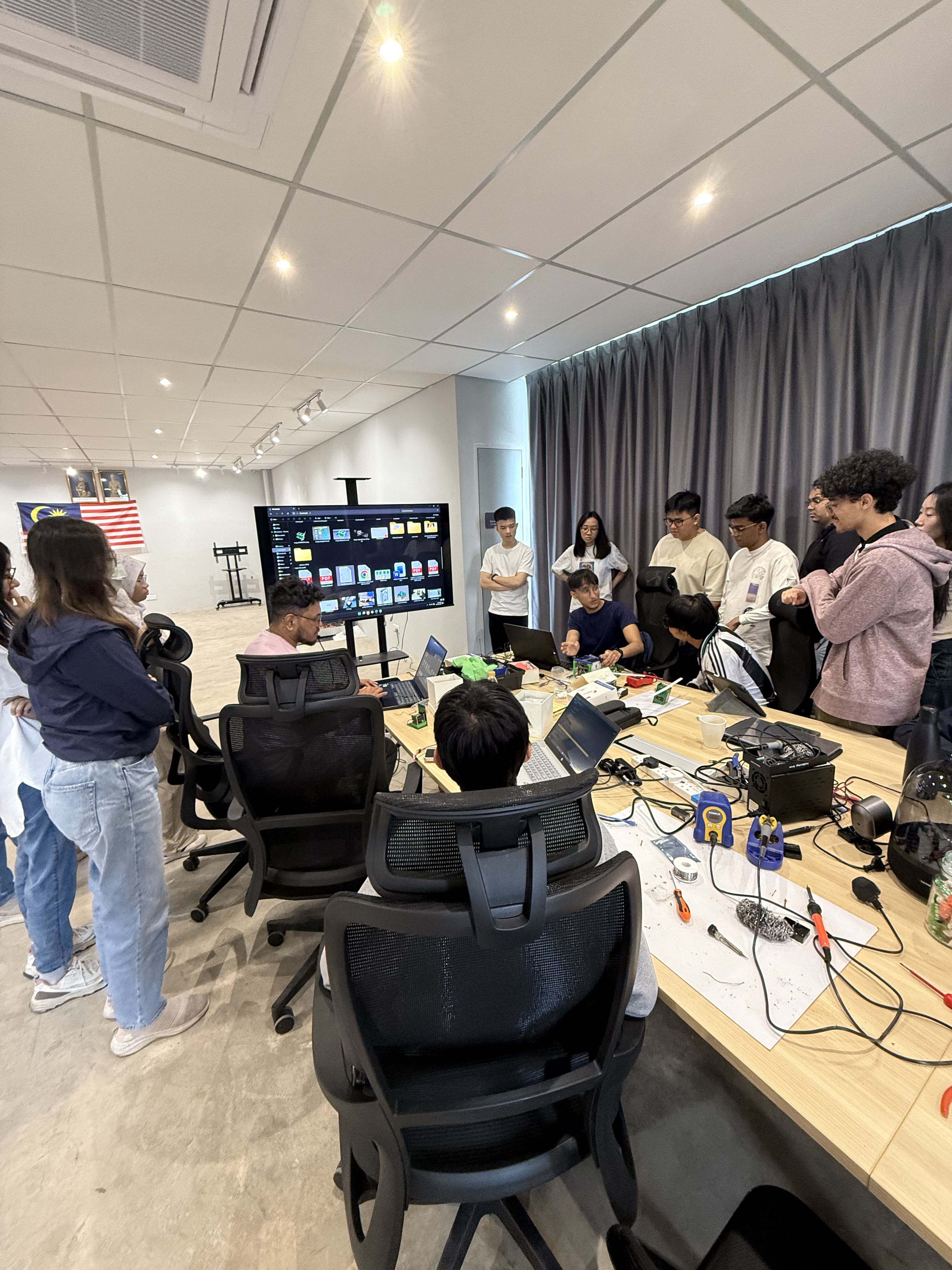
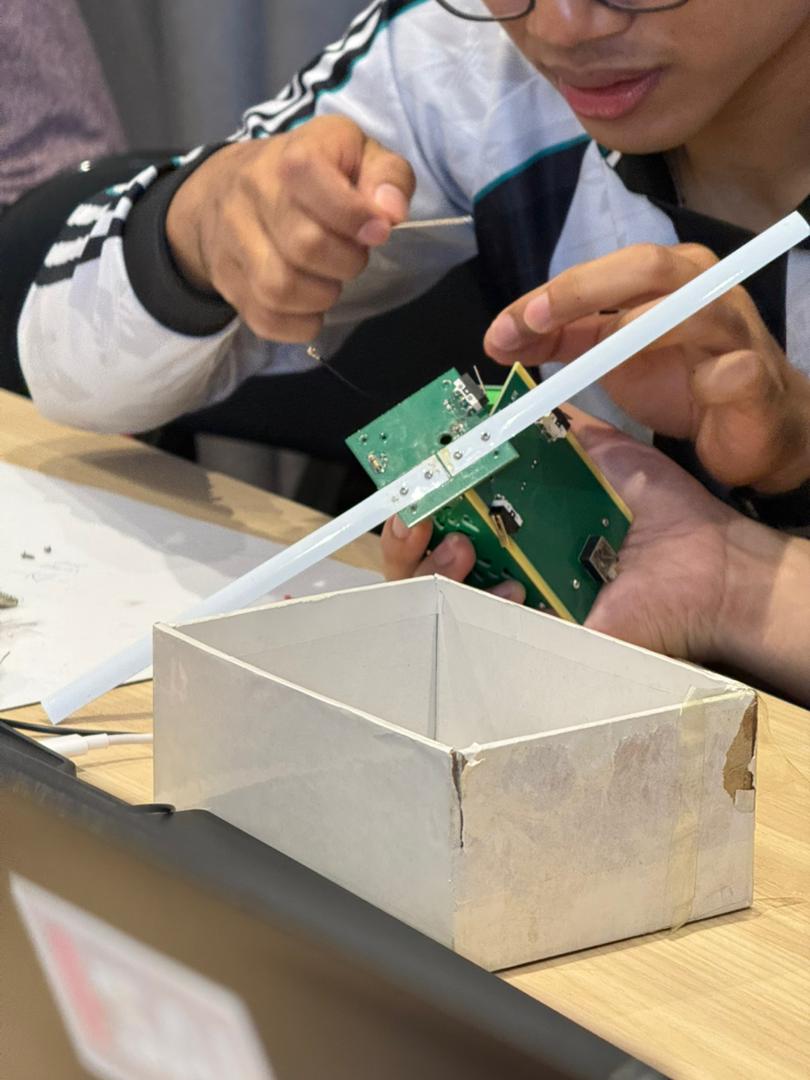

Knowledge is power – literally. Breaking down the complexities of CubeSat power conversion.
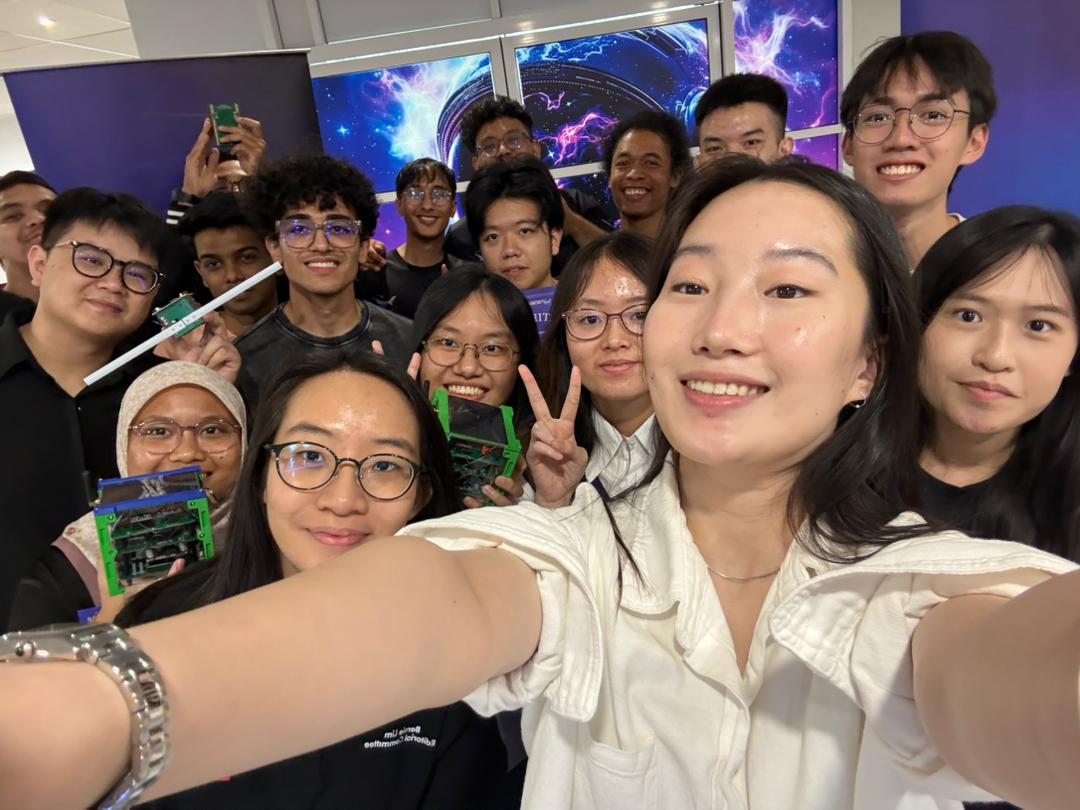
Smiles, satellites, and a whole lot of science
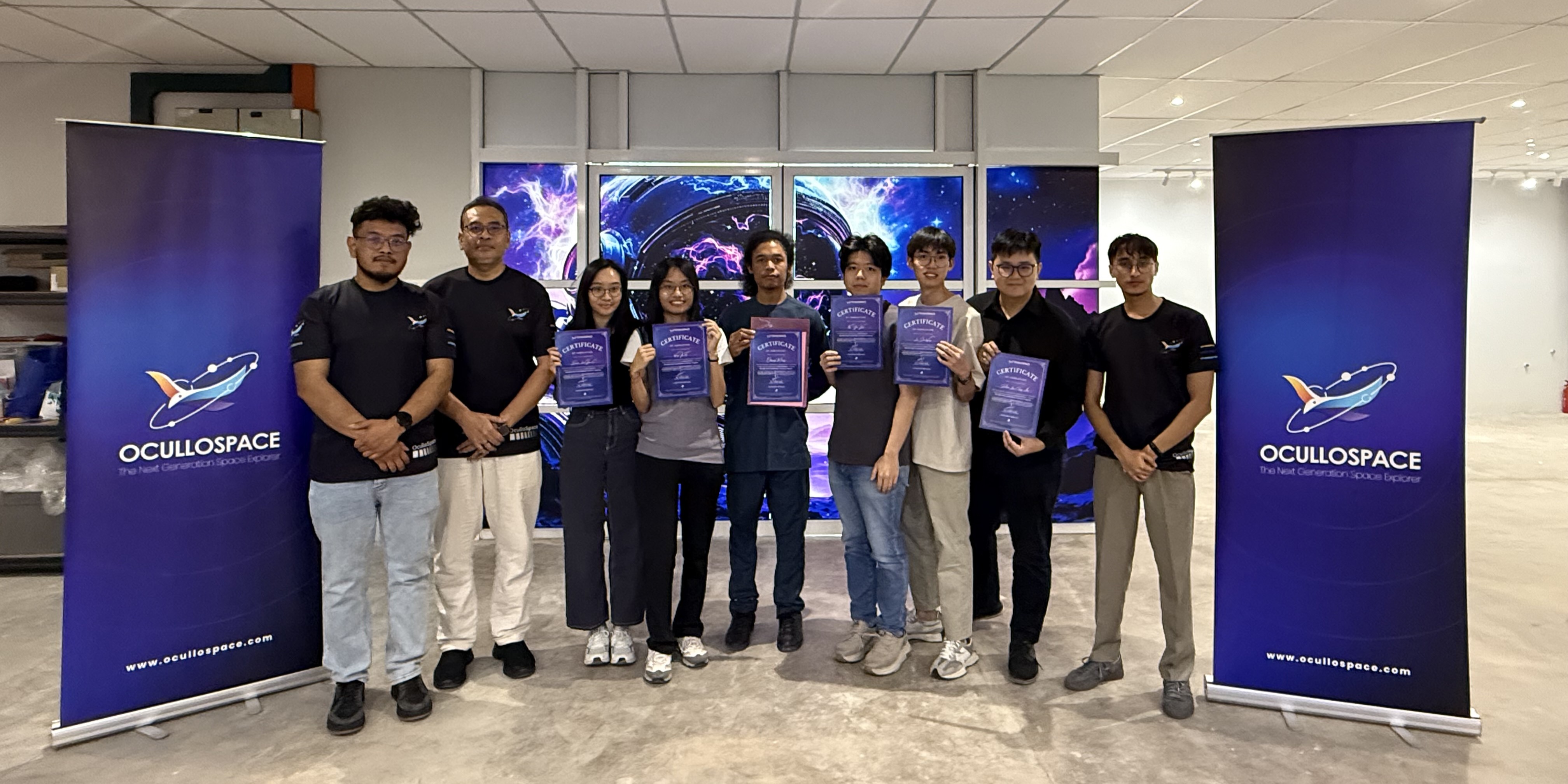
One giant leap for our skills, one small step for our careers. Mission accomplished!
© 2026 UNIVERSITI TUNKU ABDUL RAHMAN DU012(A).
Wholly owned by UTAR Education Foundation (200201010564(578227-M)) LEGAL STATEMENT TERM OF USAGE PRIVACY NOTICE