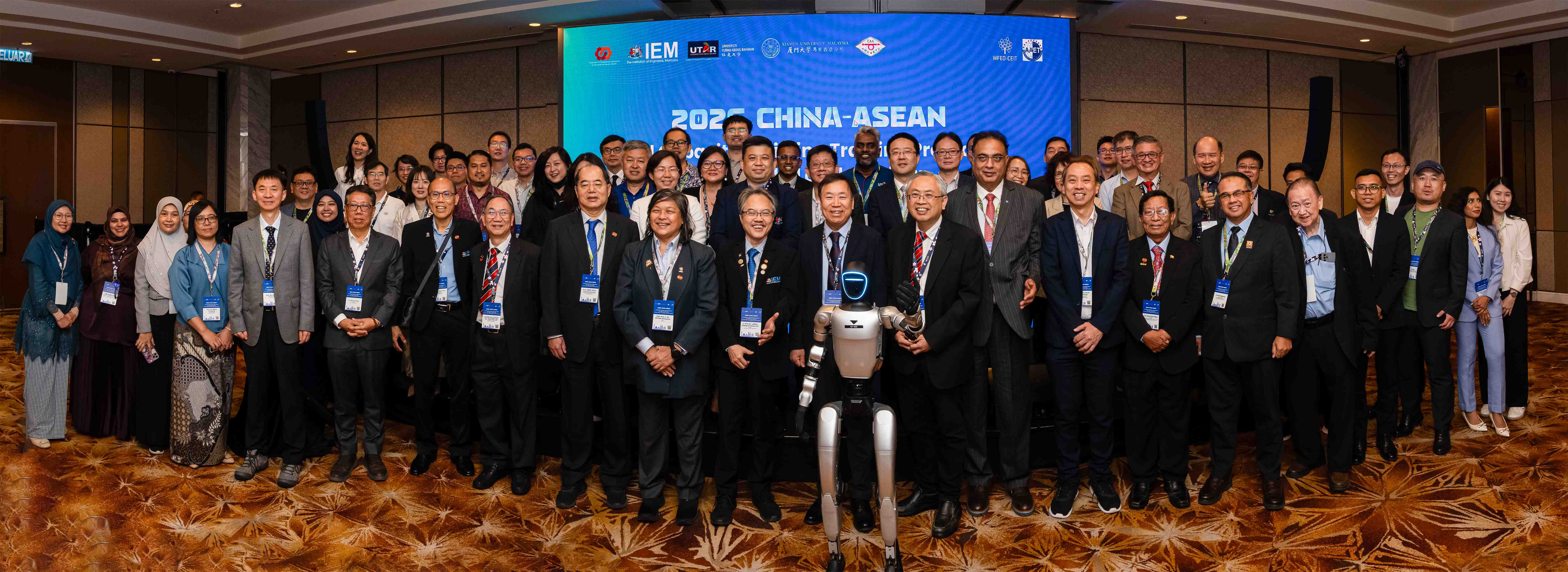
Group photo taken with the participants to commemorate the occasion
The 2026 China–ASEAN AI Capacity Building Training Program and High-Level Seminar on AI Frontier Technologies and Governance, held on 23 January 2026 at the Shangri-La Hotel, Kuala Lumpur, and on 24 January 2026 at UTAR Sungai Long Campus, convened senior policymakers, industry leaders, and leading academics to discuss the future of artificial intelligence governance, security, and industrial applications in the region.
Jointly organised by the Chinese Association of Automation (CAA), the Federation of Engineering Institutions of Asia and the Pacific (FEIAP), the Institution of Engineers Malaysia (IEM), Universiti Tunku Abdul Rahman (UTAR) and Xiamen University Malaysia (XMUM), and supported by the WFEO Committee on Engineering for Innovative Technologies (WFEO-CEIT) and the ASEAN Academy of Engineering and Technology (AAET), the high-level seminar strengthened China–ASEAN cooperation in artificial intelligence, promoted regional digital transformation, and advanced people-centred and responsible AI development.
The seminar featured addresses by Prof Dr Shahbaz Khan, Director and Representative of the UNESCO Regional Office for East Asia; Prof Dr Hou Zengguang, Vice President of the Chinese Association of Automation; Ir Prof Dato’ Dr Ewe Hong Tat, President of UTAR and President of the ASEAN Academy of Engineering and Technology; Dr Aung Kyaw Myat, President of the Federation of Asia-Pacific Engineering Organisations; Ir Prof Dr Jeffrey Chiang Choong Luin, President of the Institution of Engineers Malaysia as well as other esteemed participants and distinguished guests.
The two-day programme featured high-level keynote and thematic sessions focusing on national AI policy, frontier technologies, cybersecurity, and industrial AI applications, alongside expert-led technical training on robotic physical intelligence, deep learning, reinforcement learning, and AI model intellectual property protection.
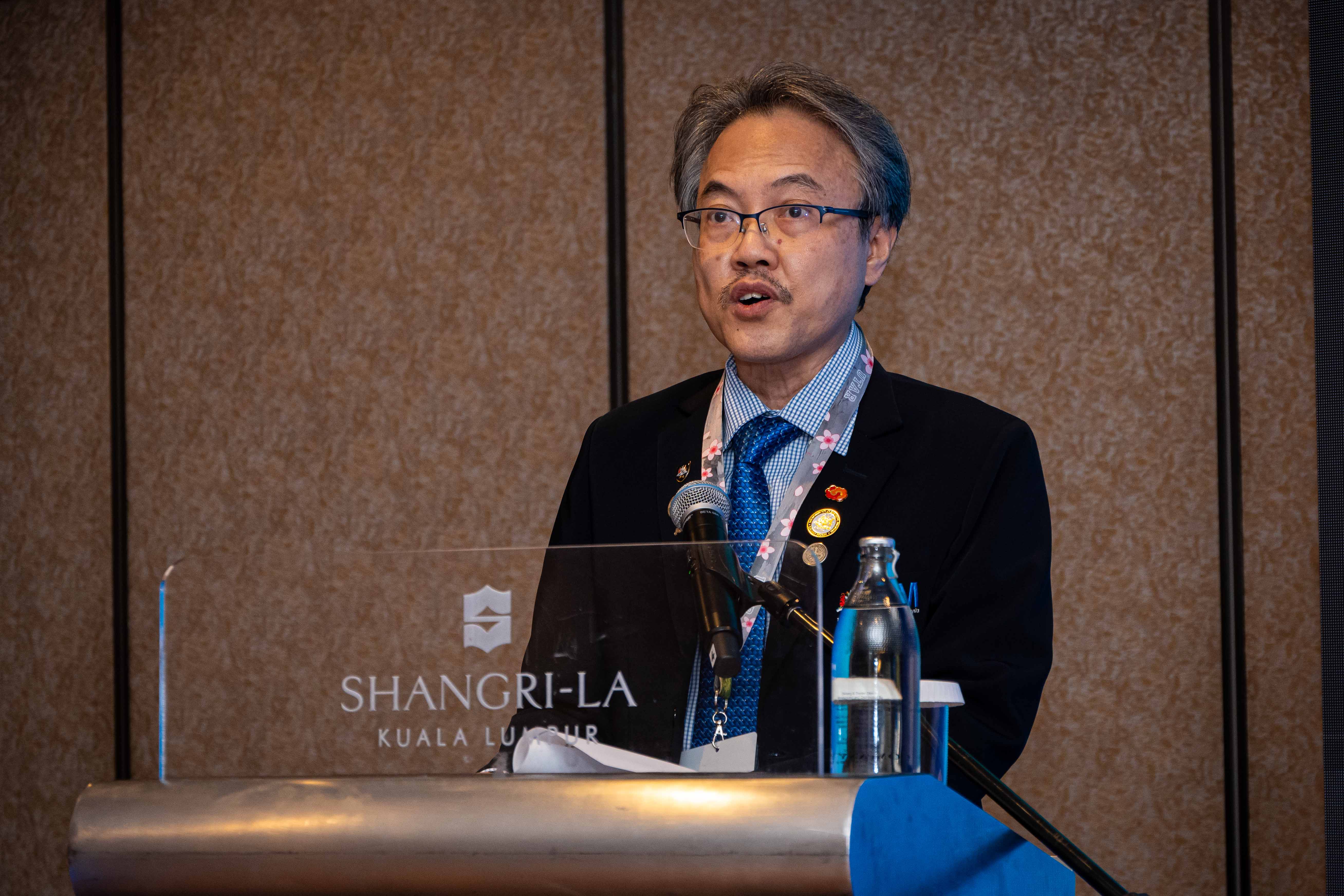
Ir Prof Jeffrey Chiang
In his welcome address, Ir Prof Jeffrey Chiang highlighted the urgency of AI capacity building as a regional priority, given the accelerating impact of AI across industries, public services, and societies. He underscored Malaysia’s leadership in establishing the ASEAN AI Safety Network, with its Secretariat based in Kuala Lumpur, as a milestone for regional AI governance. The IEM President further detailed national initiatives such as AI Class ASEAN and the IEM Position Paper on Construction 4.0, reinforcing the importance of inclusive development and ethical frameworks.
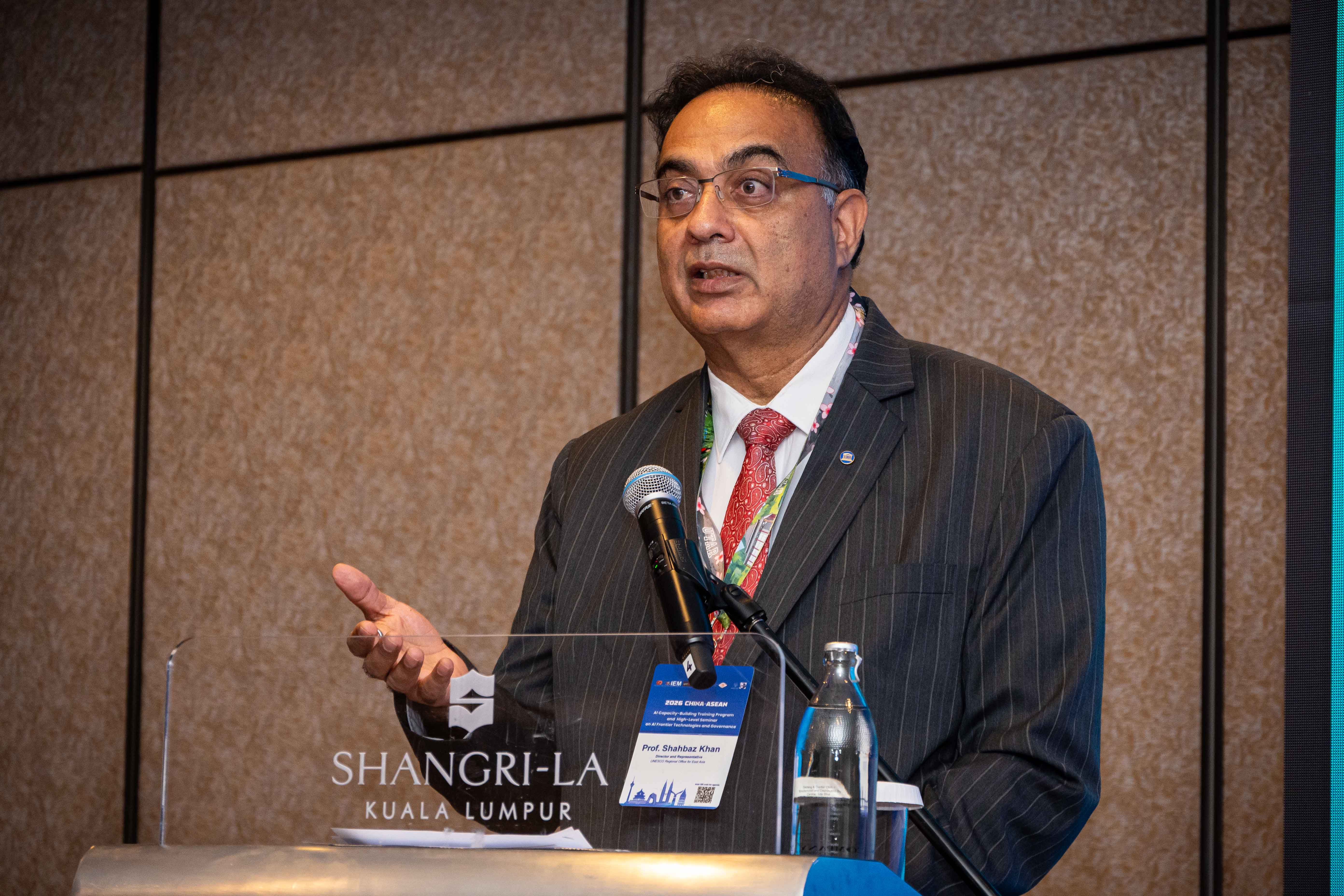
Prof Shahbaz
Prof Shahbaz framed the seminar within the global context of responsible AI development, reflecting on the organisation’s landmark Recommendation on the Ethics of Artificial Intelligence. He advocated for a fair, inclusive AI governance model for the Global South, and called for sustained multilateral collaboration between China, Malaysia, and UNESCO to address shared ethical and technological challenges.
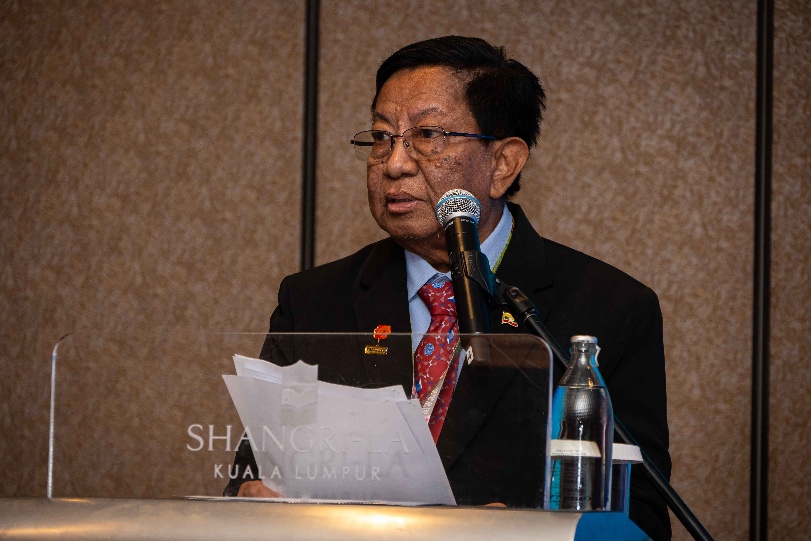
Dr Aung
Dr Aung stressed that ASEAN must shift from merely adopting AI to building and innovating with it. He detailed a four-pillar strategy—human capital, infrastructure, governance, and research—and showcased Myanmar’s newly established AI Laboratory at Yangon Technological University as a model for regional academic-industry synergy. He affirmed universities’ roles as innovation hubs critical to AI ecosystem development.
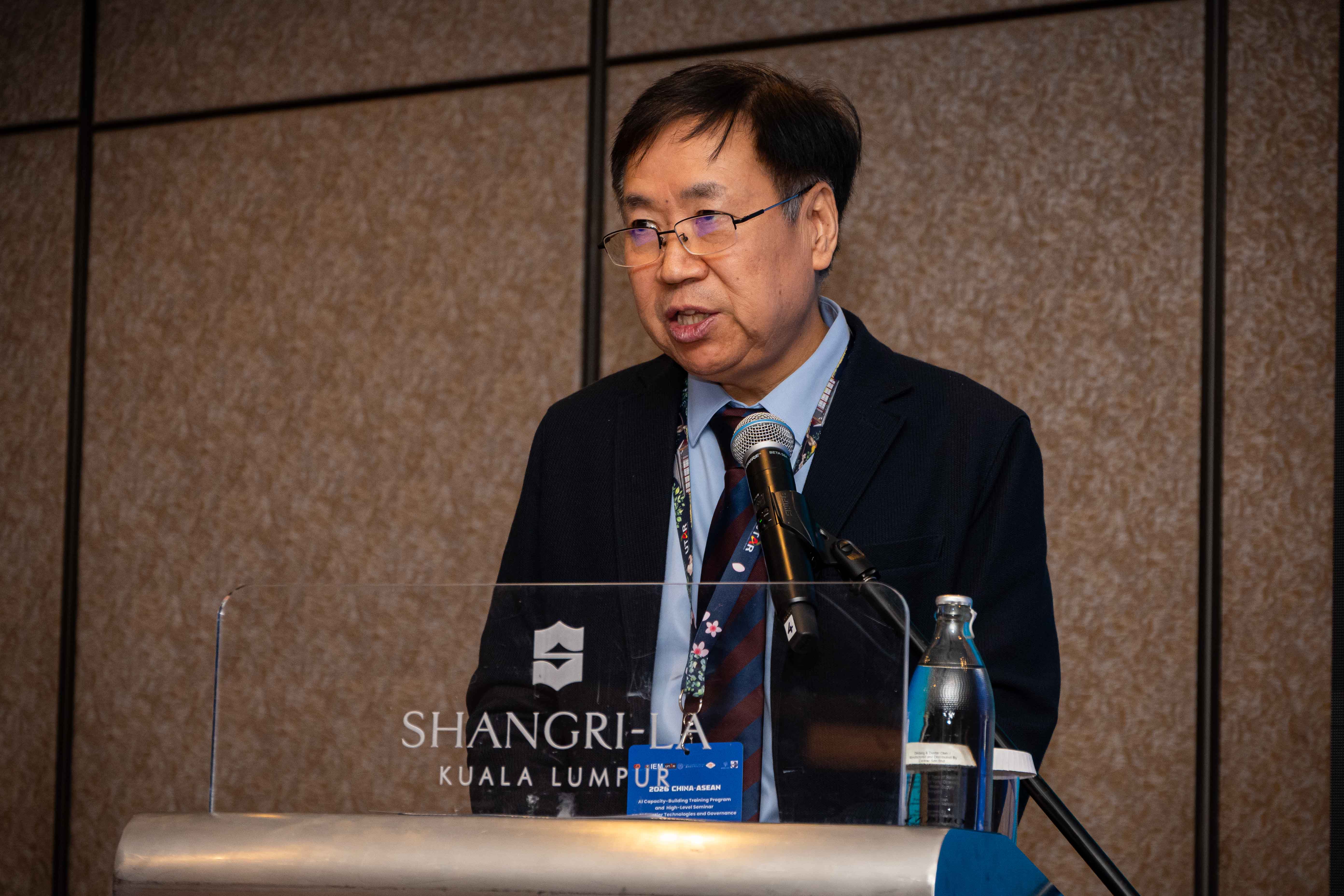
Prof Hou
Prof Hou reiterated the association’s commitment to promoting AI for global good. Reflecting on CAA’s 65-year legacy, he emphasised China’s readiness to work with ASEAN partners to realise inclusive, people-centred AI advancement. His remarks positioned the seminar as aligned with China’s Global AI Governance Initiative and a platform for strengthening technological cooperation across borders.
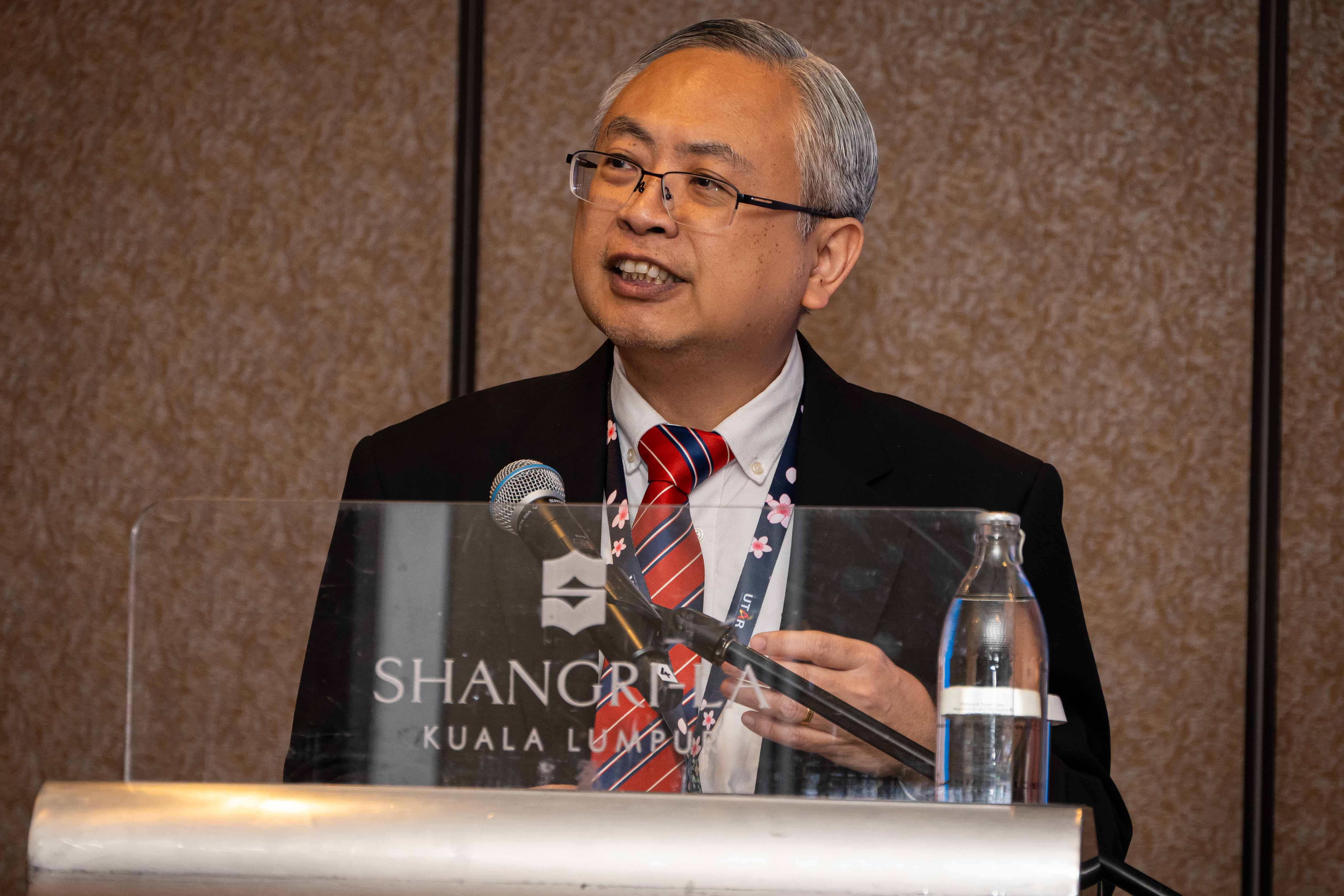
Prof Dato’ Ewe
Representing the host university, Prof Dato’ Ewe celebrated the event as a bridge linking diplomatic ties, national aspirations, and academic-industry collaboration. He stressed that universities must not only drive innovation but also ensure technology serves society responsibly. He reaffirmed UTAR’s alignment with Malaysia’s digital transformation goals through education, research, and regional engagement.
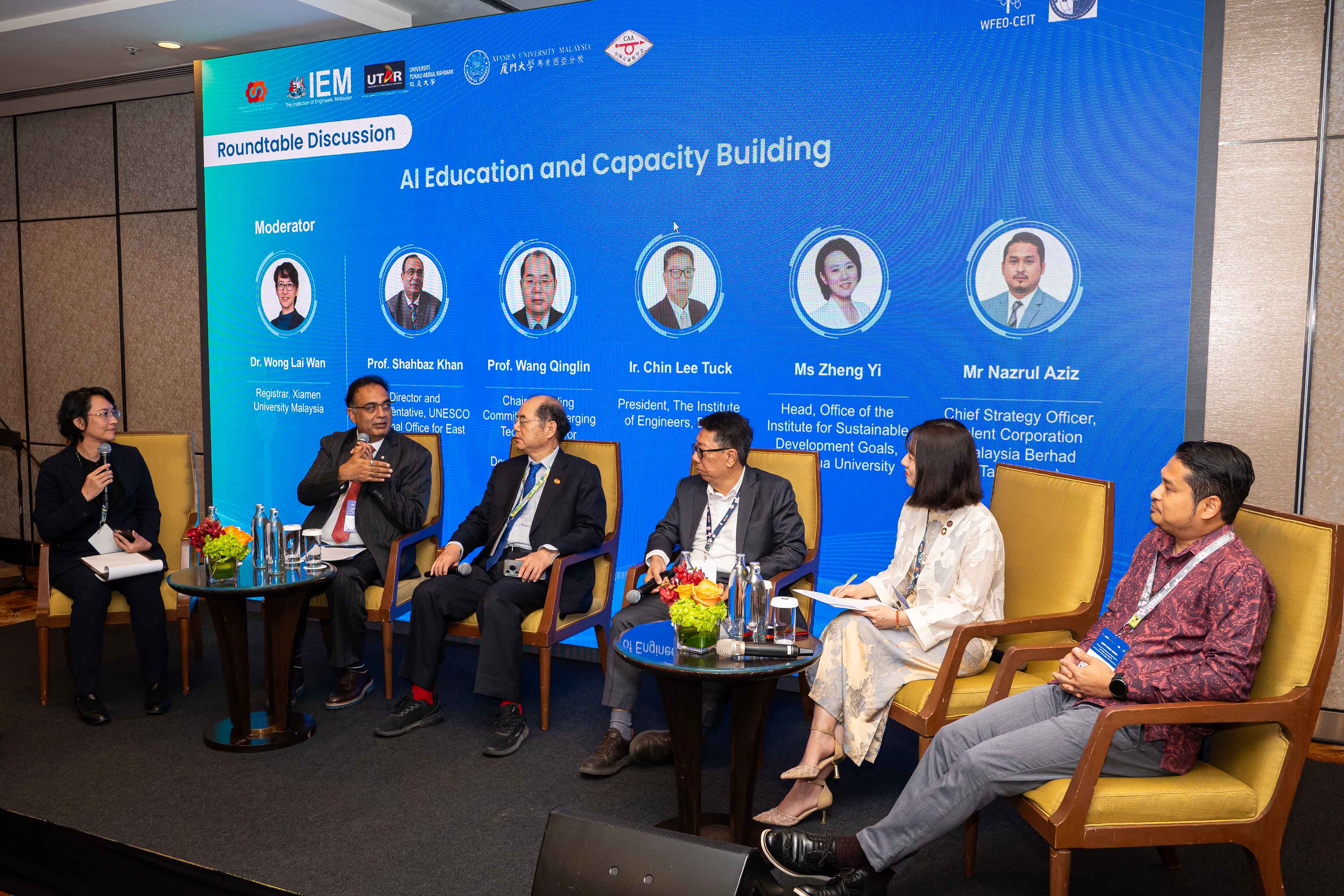
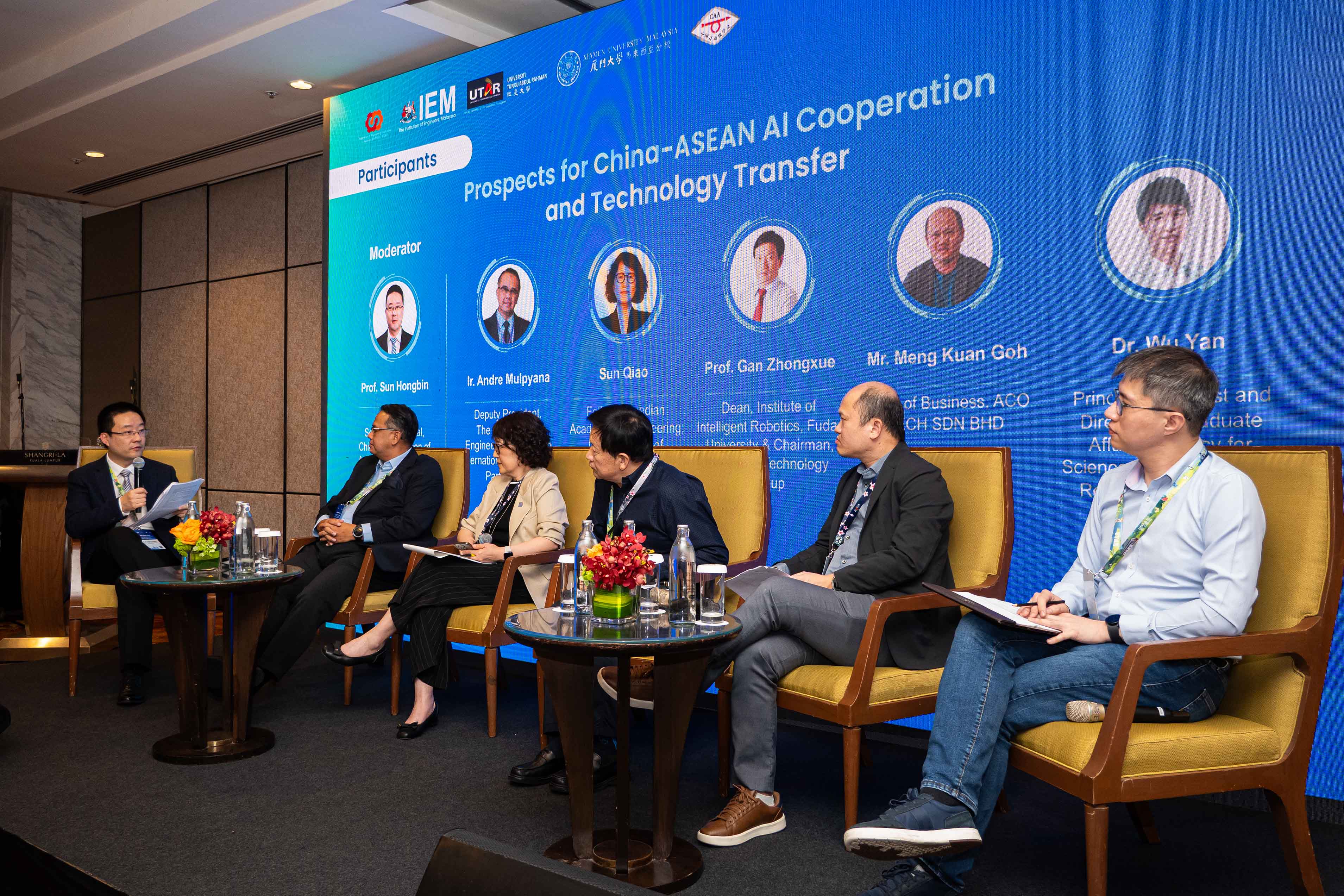
The roundtable discussions
High-level roundtable discussions examined AI education and capacity building to promote people-centred and responsible AI development, as well as the prospects for China–ASEAN AI cooperation and technology transfer. The programme concluded with an institutional closed-door seminar to advance concrete collaboration initiatives, including joint laboratories, technology transfer frameworks, ASEAN sovereign large model development, and alignment on AI ethics and governance standards.
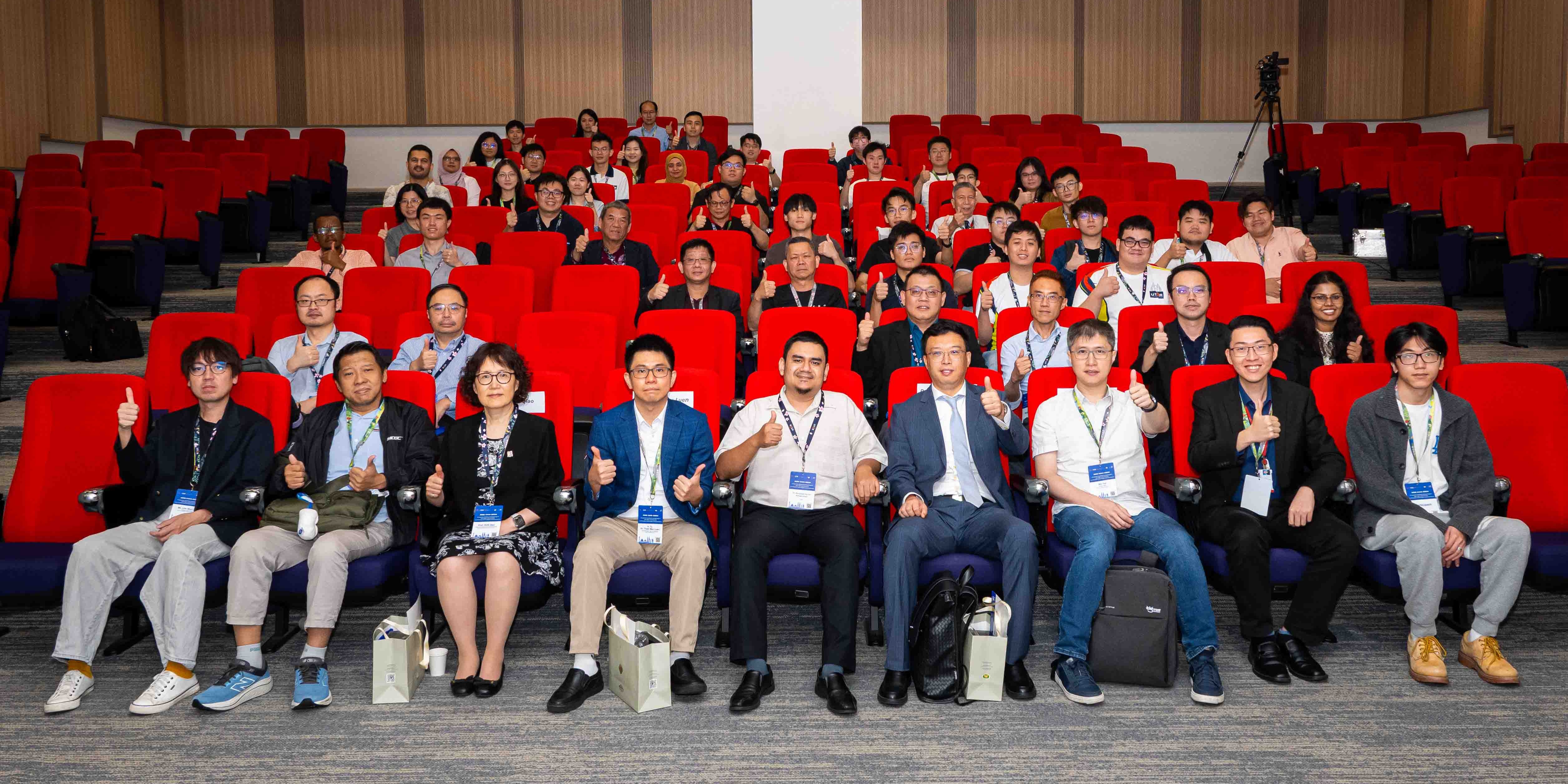
Group photo taken at the second day with the participants
The second day of the programme, held at UTAR Sungai Long Campus, featured a series of expert-led technical lectures on frontier AI topics. These included robotic physical intelligence, deep and reinforcement learning in the ASEAN context, and AI-powered digital twin systems. The sessions also explored watermarking for AI intellectual property protection. The day concluded with a closed-door institutional seminar, where representatives from ASEAN engineering bodies and academic institutions deliberated on establishing joint laboratories, regional AI networks, and governance frameworks to advance collaborative innovation under the Global AI Governance Initiative.
Throughout the programme, participants gained strategic insights into national and regional AI policies, emerging frontier technologies, and cybersecurity considerations, while engaging directly with policymakers, industry leaders, and researchers to explore practical pathways for China–ASEAN cooperation, technology transfer, and responsible AI governance.
More photos:
1. Day 1 - 2026 China-ASEAN AI Capacity-Building Training Program and High Level Seminar on AI Frontier Technologies and Governance (23 January 2026)
2. Day 2 - 2026 China-ASEAN AI Capacity-Building Training Program and High Level Seminar on AI Frontier Technologies and Governance (24 January 2026)
© 2026 UNIVERSITI TUNKU ABDUL RAHMAN DU012(A).
Wholly owned by UTAR Education Foundation (200201010564(578227-M)) LEGAL STATEMENT TERM OF USAGE PRIVACY NOTICE