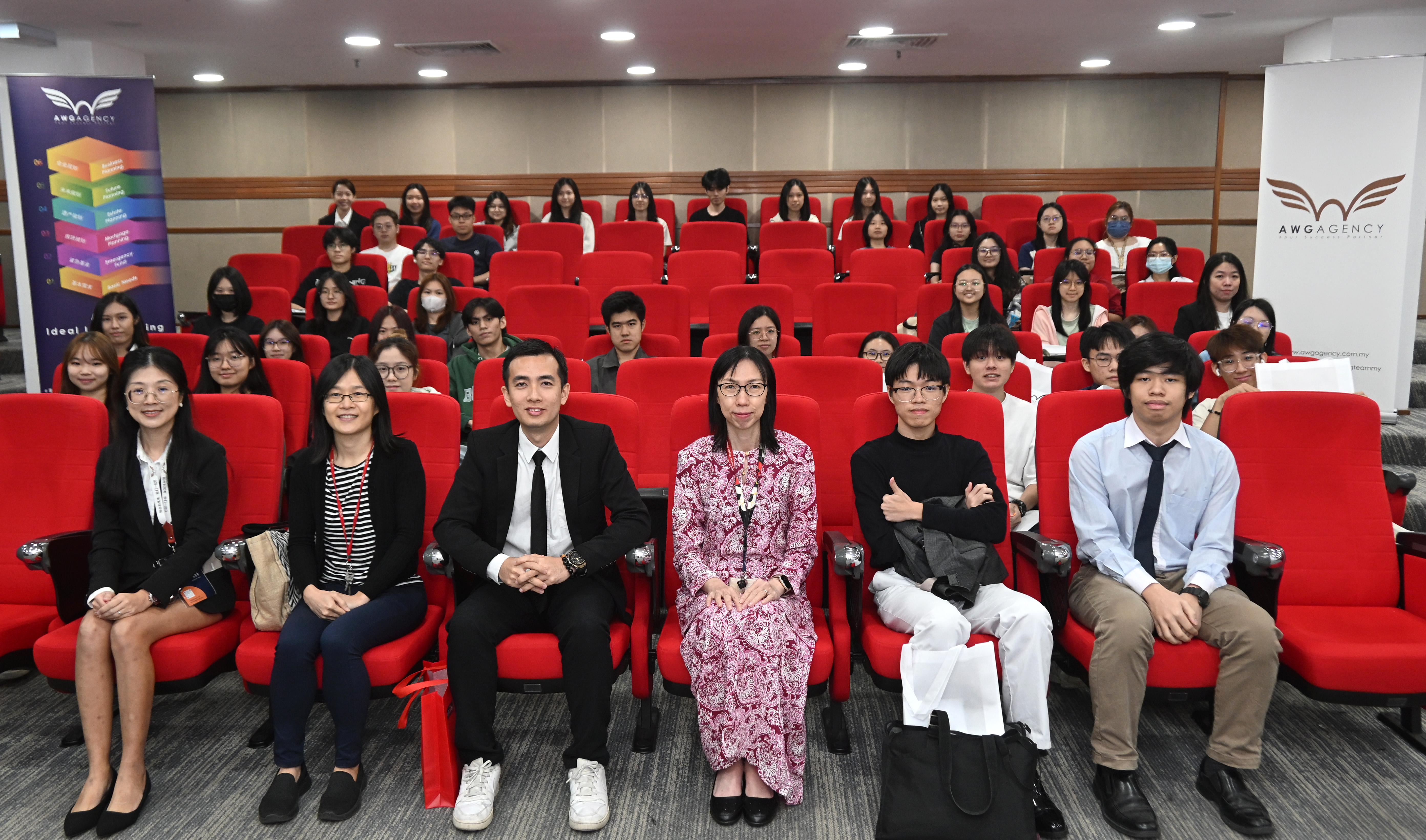
Group photo taken to commemorate the occasion
The future of financial advisory in the age of artificial intelligence formed the focus of InsuPlanner 2.0, a thought-provoking industry talk hosted at UTAR Sungai Long Campus. Taking place on 13 March 2026, the event brought students together with industry experts to gain deeper insight into the opportunities, challenges, and evolving expectations shaping careers in the insurance and financial planning sector.
Organised by the Faculty of Accountancy and Management (FAM) in collaboration with the Centre for Entrepreneurial Sustainability (CENTS), the event featured UTAR alumnus Mr Andrew Wong, Director of AWG Aspire Wealth Sdn Bhd, as the invited speaker. His session, titled Shaping the Next Generation of Financial Entrepreneurs in the AI Era, offered students an in-depth look at the realities, opportunities, and future trajectory of the insurance and financial planning industry.
The session opened with interactive questions that prompted students to reflect on their personal aspirations and financial goals. By asking participants how many of them hoped to achieve financial success in the future, Mr Wong immediately engaged the audience and framed the broader discussion around financial literacy and long-term planning. He emphasised that financial security is not achieved by chance but through informed decisions, disciplined planning, and professional guidance.
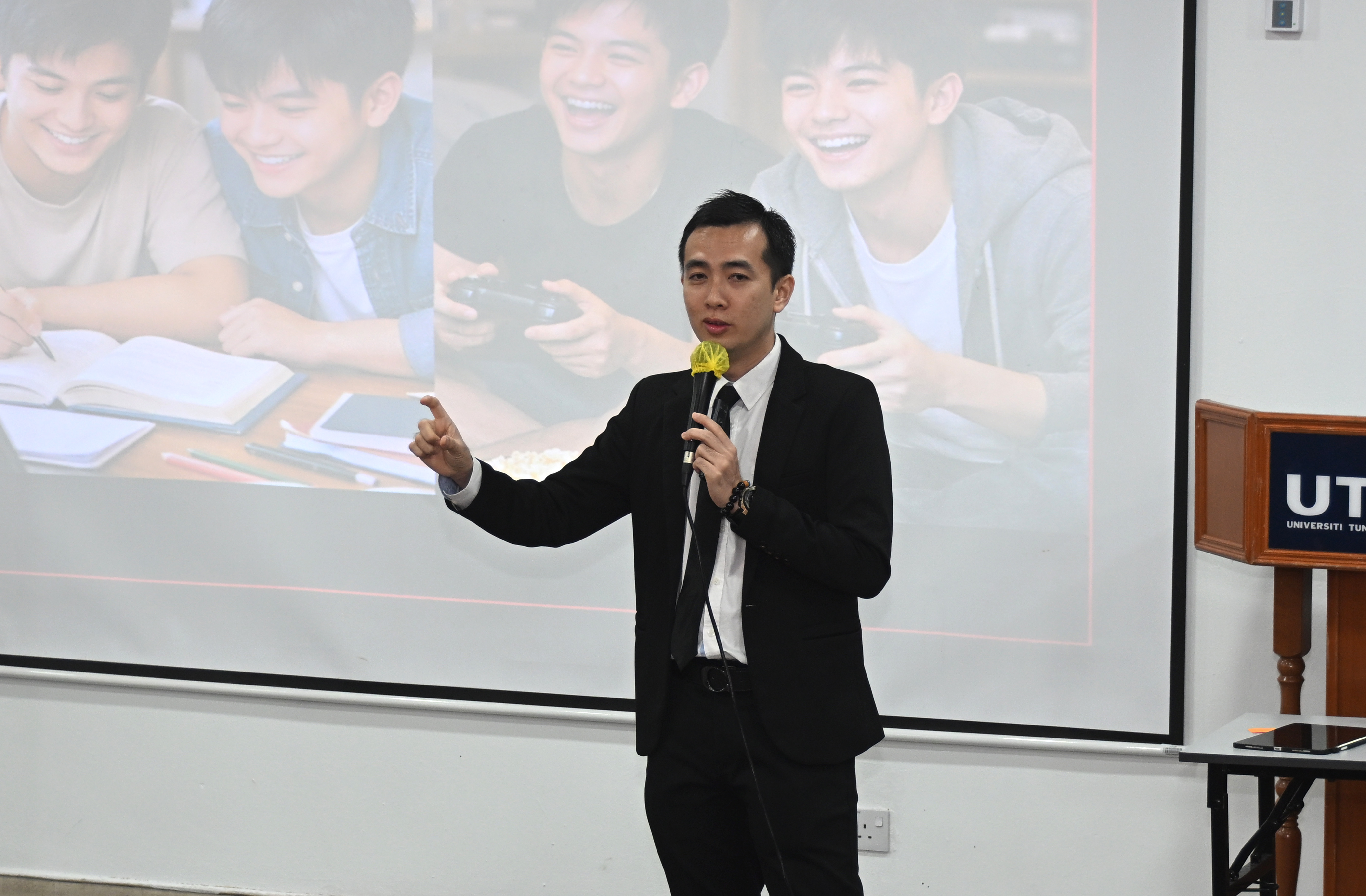
Mr Wong
Transitioning from aspiration to industry reality, Mr Wong highlighted several misconceptions surrounding insurance. Despite its critical role in financial protection, public awareness about insurance remains limited, with many individuals perceiving policies as unnecessary or expensive until a crisis occurs. He encouraged students to consider an important question: if an unexpected event were to occur today, how long could their families sustain themselves financially? This reflection underscored the importance of risk protection, emergency preparedness, and income replacement planning.
Another key theme of the session was the rising cost of healthcare and its implications for long-term financial security. Mr Wong explained that medical insurance costs tend to increase over time due to medical inflation, advanced healthcare technology, and an ageing population. Early financial planning, he noted, is therefore essential to manage future financial burdens and ensure sustainable protection.
Beyond industry challenges, the talk highlighted the wide-ranging career opportunities available within the insurance and financial advisory sector. According to Mr Wong, the industry offers diverse professional pathways, including roles as financial planners, insurance advisors, wealth management consultants, risk management specialists, and agency leaders. These roles provide opportunities for entrepreneurial growth, flexible career development, and the ability to build long-term client relationships.
He further explained that career progression in the insurance industry is often performance-based, allowing individuals to advance rapidly based on results and leadership capabilities rather than seniority alone. This structure enables professionals to build their own client networks, lead advisory teams, and develop sustainable income streams over time.
A key message delivered during the session was the transformation of the insurance advisor’s role. Historically, the industry had been criticised for overly sales-driven practices, which sometimes led to public distrust and negative perceptions. Mr Wong emphasised that the modern insurance professional must move beyond product-selling and instead adopt the mindset of a trusted financial consultant.
“Future advisors must become consultants, not salespeople,” he noted during the session. By prioritising client needs, providing personalised financial advice, and building long-term trust, financial professionals can create sustainable relationships that benefit both clients and the industry.
Students were also introduced to the growing influence of digital technology and artificial intelligence in financial services. Mr Wong explained that AI is increasingly used in areas such as risk assessment, automated underwriting, claims processing, fraud detection, and customer service through digital platforms and chatbots. These technological advancements are transforming operational efficiency and improving the accessibility of financial services.
However, he emphasised that while AI can automate data analysis and routine processes, it cannot replace the human elements of judgment, empathy, and trust. Financial advisors remain essential in helping clients navigate complex decisions involving retirement planning, risk protection, investment strategies, and estate planning.
The session also explored broader global trends shaping the future of financial planning. With populations ageing worldwide and healthcare costs continuing to rise, demand for retirement planning, wealth protection, and estate management is expected to increase significantly. In addition, the ongoing transfer of wealth from older generations to younger ones is set to create new opportunities for financial professionals specialising in legacy and inheritance planning.
Mr Wong also highlighted the growing importance of financial education. Many individuals still lack sufficient knowledge about debt management, investment diversification, and long-term financial protection. As a result, future financial advisors will play a critical role not only in providing services but also in educating the public about responsible financial decision-making.
In the digital age, trust and personal branding are becoming increasingly valuable assets for financial professionals. Clients today often research advisors online before engaging their services, making transparency, professionalism, and ethical conduct essential for building credibility and long-term relationships.
Throughout the session, students actively participated in quiz segments and discussions designed to deepen their understanding of insurance structures, financial products, and industry developments. These interactive elements helped reinforce the practical relevance of the concepts presented.
By bridging academic learning with real-world industry perspectives, InsuPlanner 2.0 provided UTAR students with valuable exposure to the evolving financial services landscape. The event also reflected UTAR’s ongoing efforts to strengthen industry engagement and prepare graduates with the knowledge, skills, and mindset required to succeed in dynamic professional environments.
Through initiatives such as InsuPlanner 2.0, UTAR continues to cultivate a generation of future-ready professionals who are equipped not only with technical expertise but also with ethical leadership, financial literacy, and strategic thinking. Such initiatives align with the University’s mission to produce graduates who contribute meaningfully to society and the global economy.
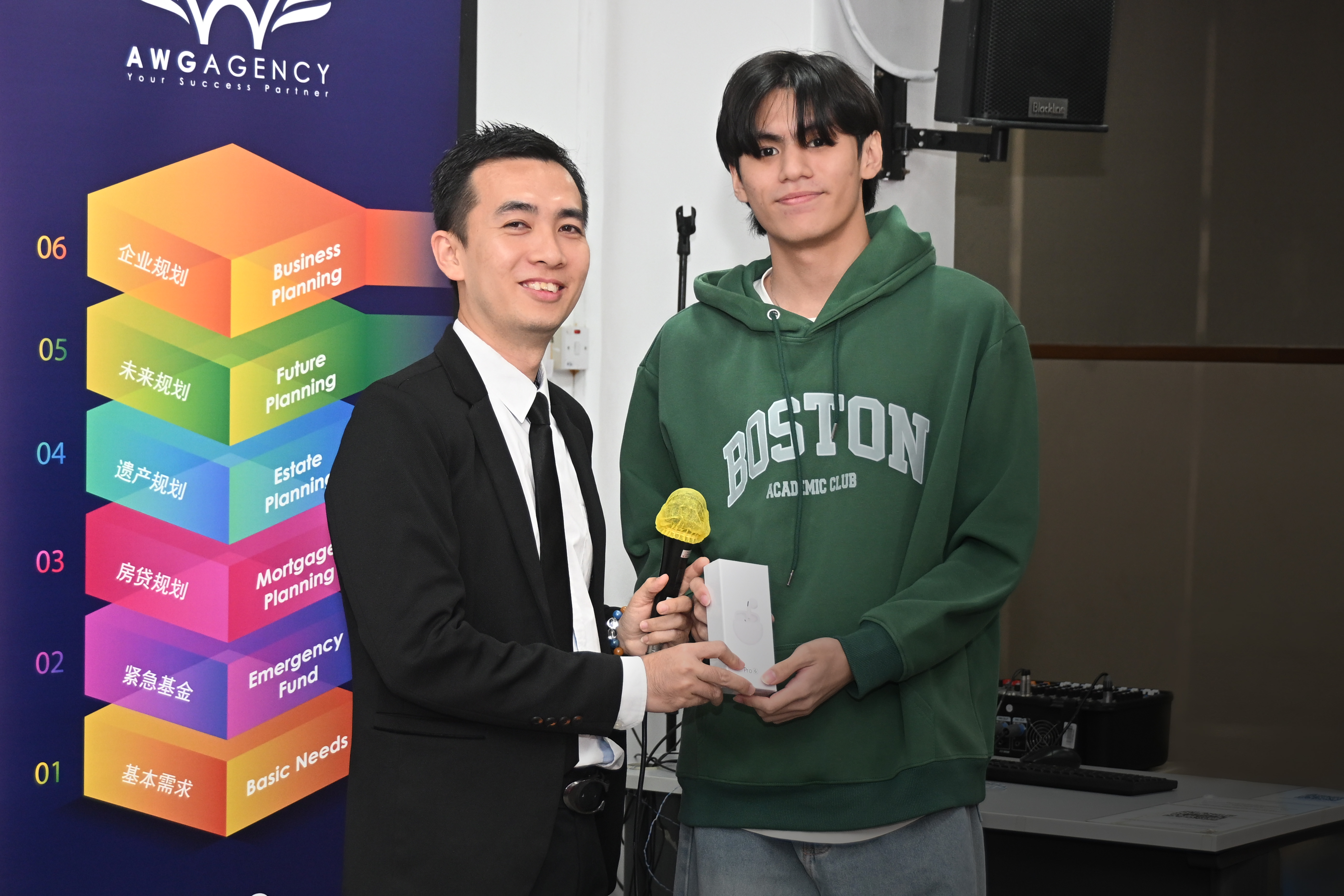
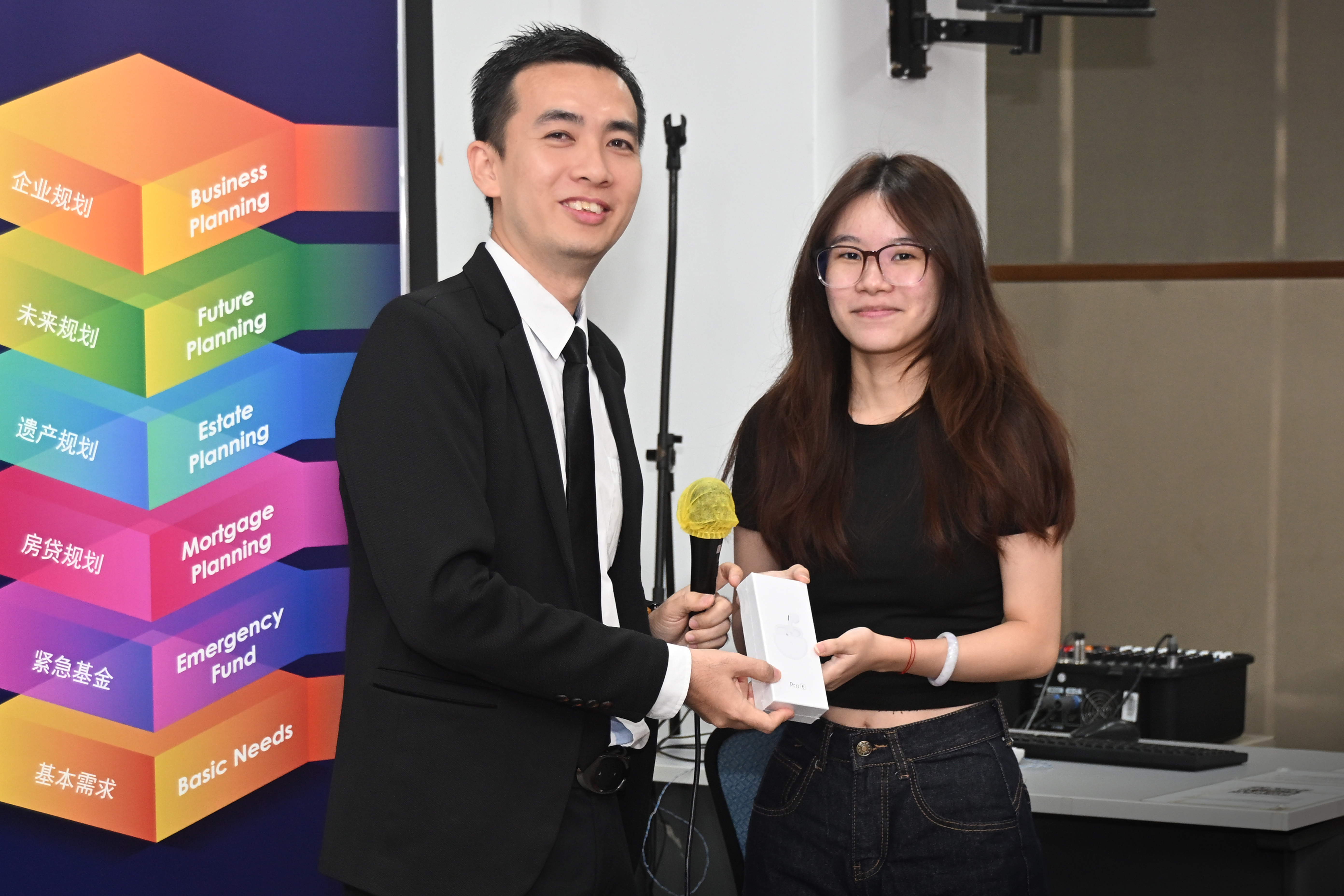
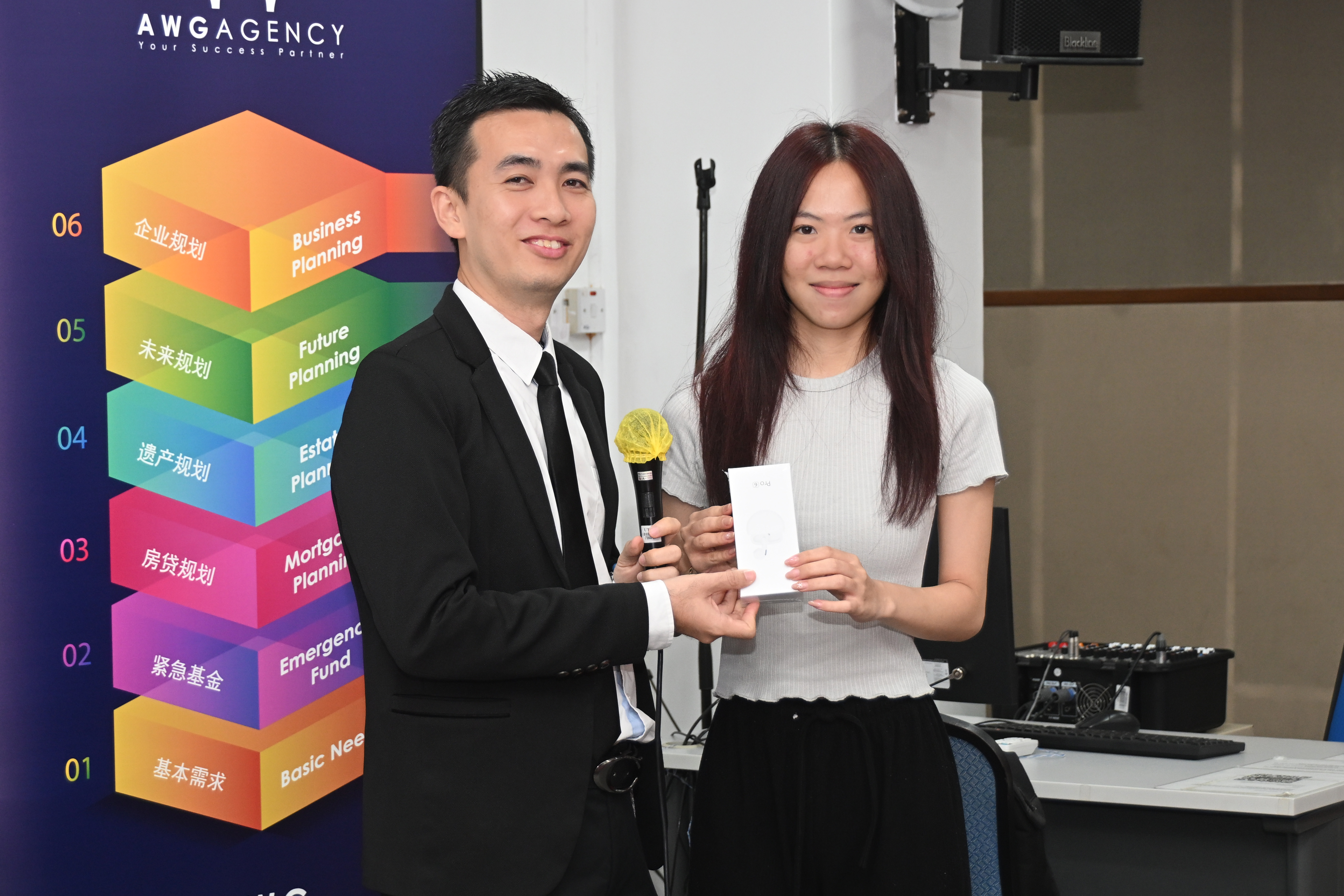
Mr Wong presenting the prizes to the top achievers in the quiz he prepared
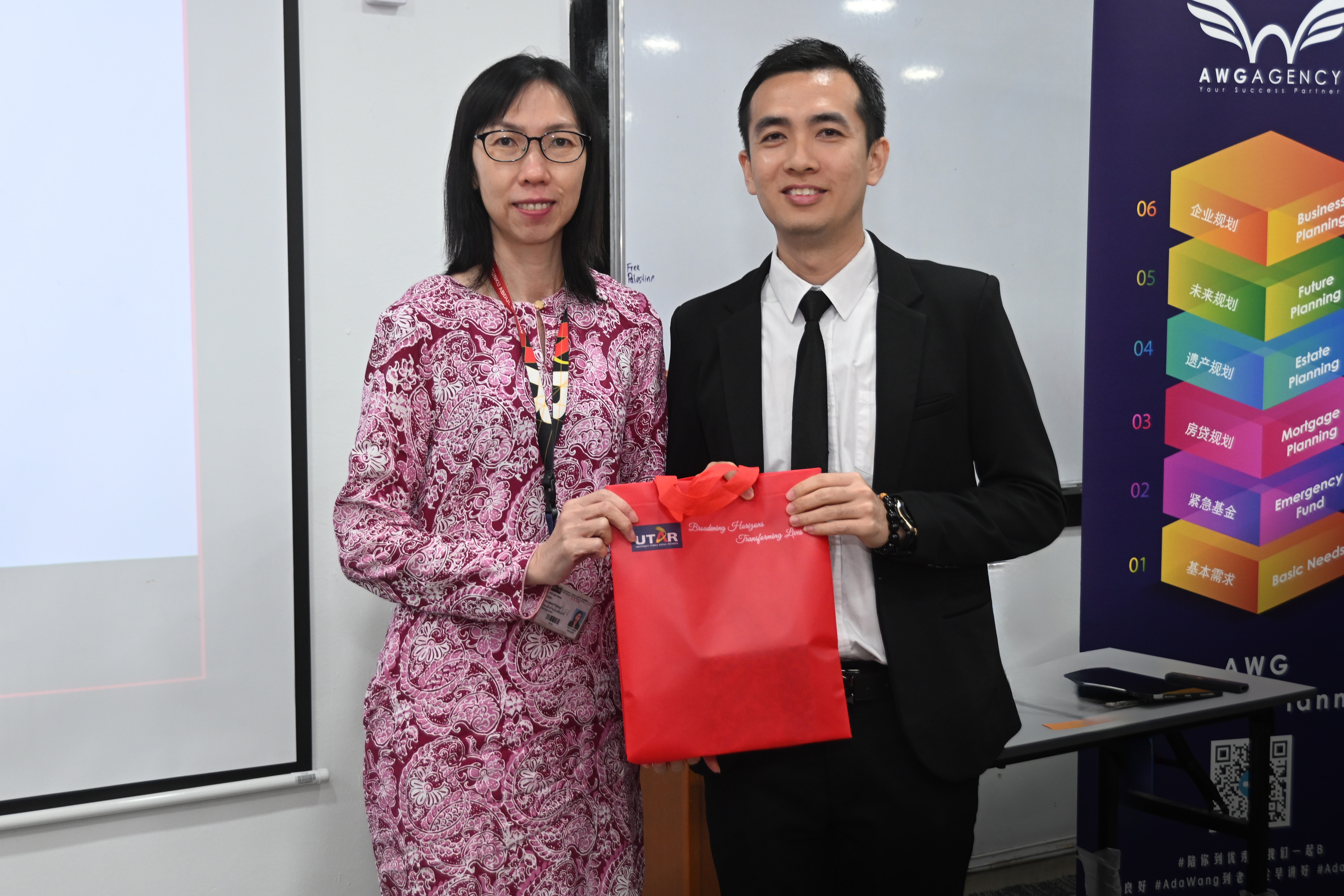
Assoc Prof Dr Low Mei Peng presenting a token of appreciation to Mr Wong
© 2026 UNIVERSITI TUNKU ABDUL RAHMAN DU012(A).
Wholly owned by UTAR Education Foundation (200201010564(578227-M)) LEGAL STATEMENT TERM OF USAGE PRIVACY NOTICE