
Universiti Tunku Abdul Rahman (UTAR) advanced its commitment to sustainable agriculture and food security through the signing of a tripartite memorandum of understanding (MoU) with the Shanghai Agrobiological Gene Centre (SAGC), China, and Peak Load Industries Sdn Bhd (PLI), Malaysia. Held on 12 March 2026 at UTAR Sungai Long Campus, the ceremony marked the beginning of a strategic collaboration aimed at promoting research, development and technology transfer in water-saving drought-resistant rice cultivation.
The partnership brings together international scientific expertise, academic research capability and industry implementation to address one of the region’s most pressing challenges: strengthening agricultural resilience while enhancing food security in the face of climate change. By integrating SAGC’s expertise in rice biotechnology, PLI’s industry engagement and implementation capacity, and UTAR’s strong academic and research ecosystem, the collaboration aims to accelerate innovation in sustainable paddy cultivation.
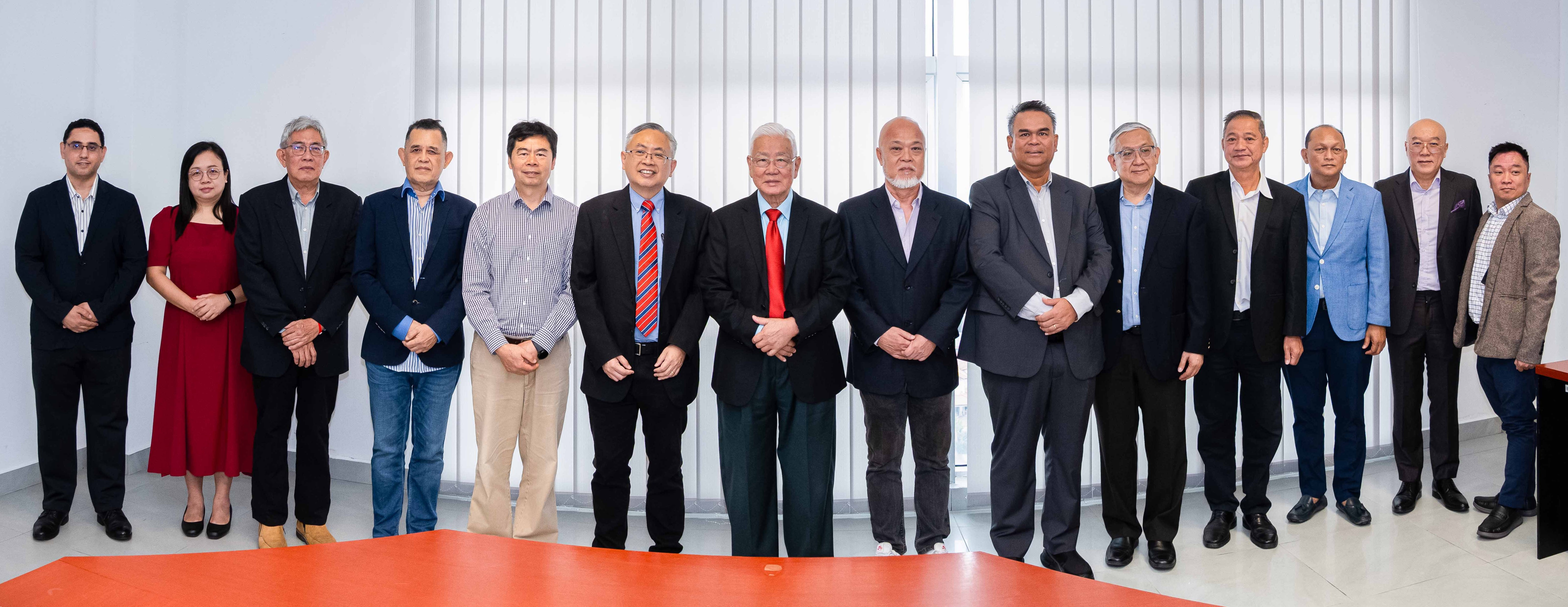
The ceremony gathered distinguished representatives from academia and industry, including UTAR President Ir Prof Dato’ Dr Ewe Hong Tat, SAGC Researcher Prof Dr Liu Zhaochang, and Peak Load Industries Chairman Mr Fong Hoong Heng, alongside UTAR Pro-Chancellor Tan Sri Dato’ Wong See Wah, Managing Director of Konsortium Bumi Consultants and Services Sdn Bhd Dato’ Ir Janang Anak Bungsu, Dean of the Faculty of Accountancy and Management Assoc Prof Dr Pok Wei Fong, Dean of the Faculty of Science Assoc Prof Dr Lim Tuck Meng (online), Director of the Office of International Affairs Assoc Prof Dr Lai Soon Onn and representatives from the three organisations. Dr Omar Hamdan Mohammad Alkharabsheh played a facilitating role in this collaboration by connecting Peak Load Industries (PLI) and the Shanghai Agrobiological Gene Centre (SAGC) with UTAR, enabling the formation of this strategic tripartite partnership.
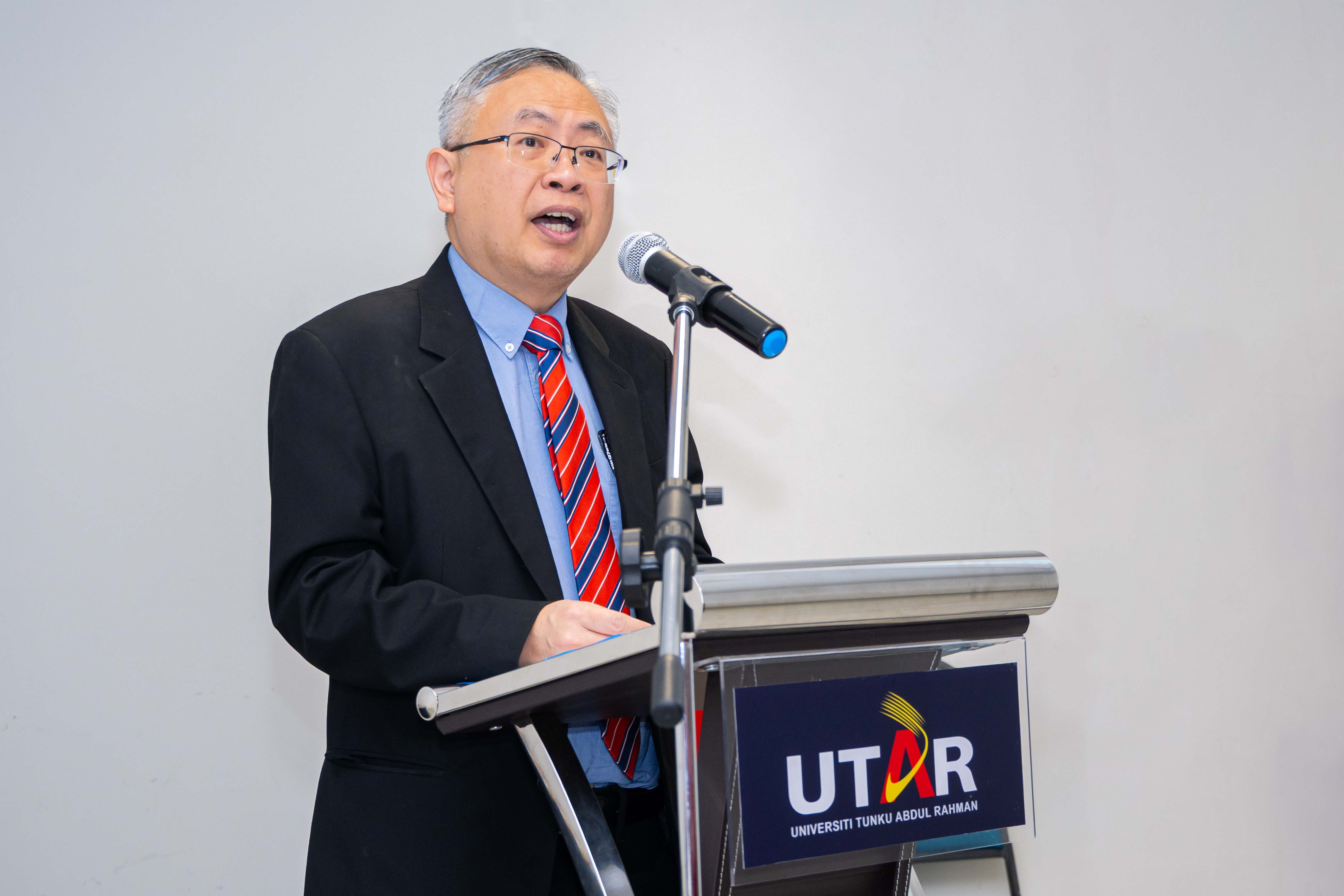
Prof Dato’ Ewe
In his welcome address, Prof Dato’ Ewe emphasised the growing importance of collaborative innovation in addressing global food security challenges. He highlighted that universities must play a proactive role not only in advancing research but also in translating scientific knowledge into practical solutions that benefit society and industry. The collaboration, he noted, represents an important platform for integrating scientific research with real-world agricultural applications, particularly in the development of climate-resilient crop systems.
The MoU establishes a comprehensive framework for collaborative research and technology transfer focused on water-saving, drought-resistant and environmentally sustainable rice cultivation. The initiative aims to adapt advanced WDR rice varieties and cultivation practices for Malaysian agricultural conditions while supporting the country’s broader ambition to strengthen self-sufficiency in paddy production.
Under the agreement, the three partners will undertake joint research, field trials and demonstration projects to evaluate high-yield and climate-resilient rice varieties. The collaboration will also explore precision farming approaches incorporating AI-driven monitoring systems, automation and IoT-enabled farming technologies to improve productivity and sustainability for smallholder farmers.
Beyond research collaboration, the partnership will prioritise knowledge exchange and capacity-building initiatives. Training programmes, workshops and seminars will equip agronomists, researchers and agricultural stakeholders with the latest cultivation techniques and scientific insights. These initiatives aim to strengthen local expertise while promoting the adoption of advanced agricultural technologies across Malaysia’s farming community.
UTAR will contribute scientific expertise, research facilities and academic leadership within the collaboration. The University will support experimental design, data analysis, research validation and the dissemination of joint research findings through publications and knowledge-sharing platforms. Meanwhile, SAGC will provide technical guidance, advanced seed varieties and expertise in paddy genetics and cultivation protocols, while PLI will facilitate local implementation, including coordination with relevant authorities and engagement with agricultural stakeholders to support field trials and technology adoption.
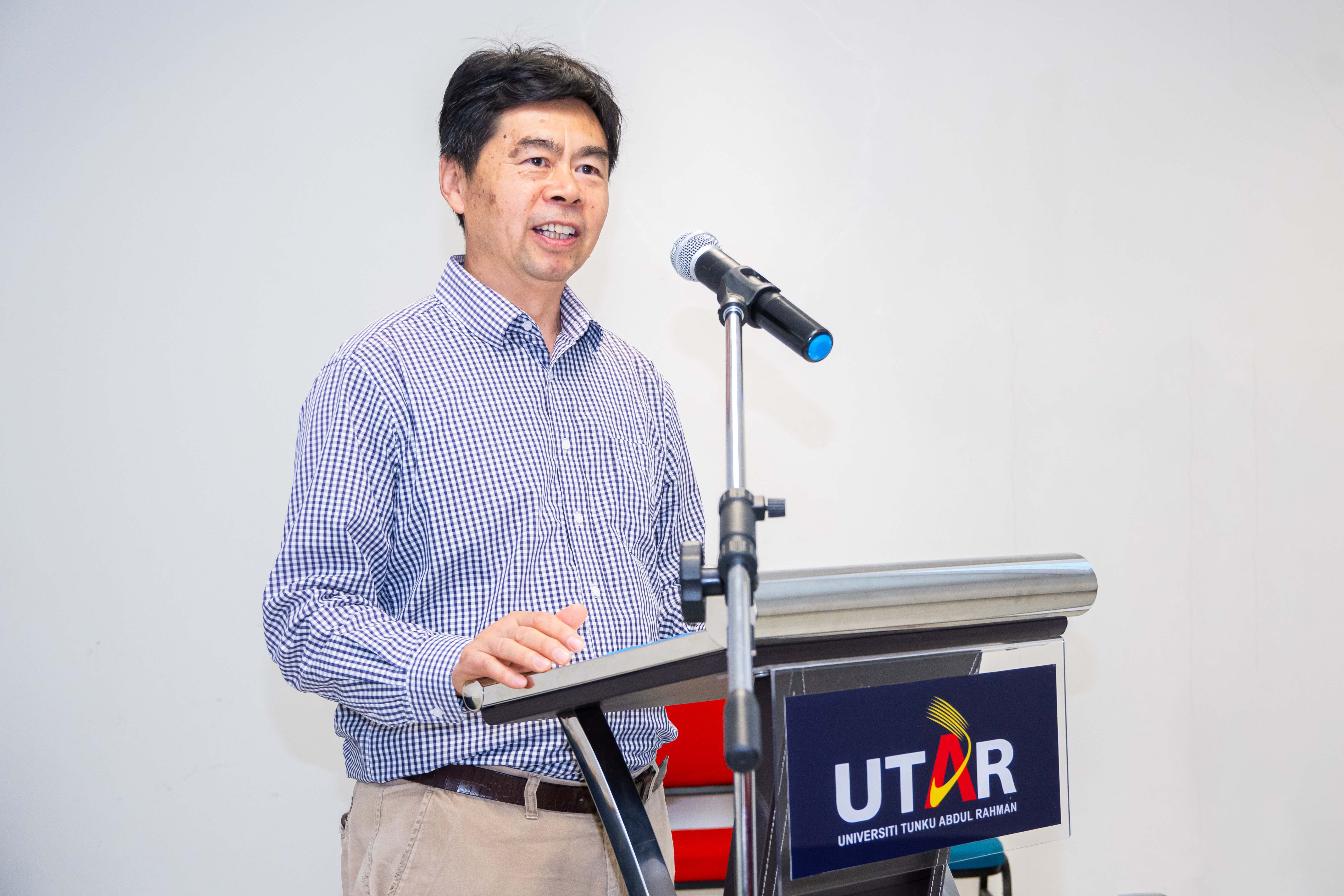
Prof Dr Liu
Prof Dr Liu highlighted the scientific foundations behind the collaboration, noting that rice has been one of the most important food crops in both Malaysia and China for decades. While modern rice farming has significantly increased yields through improved varieties, mechanisation and intensive farming practices, he pointed out that these approaches have also created sustainability challenges, including water scarcity and environmental pressures. He explained that SAGC has spent more than two decades developing water-saving, drought-resistant rice varieties designed to balance productivity with sustainability. He expressed confidence that the collaboration would enable these innovations to be adapted to Malaysian conditions and contribute to more resilient and sustainable rice production.
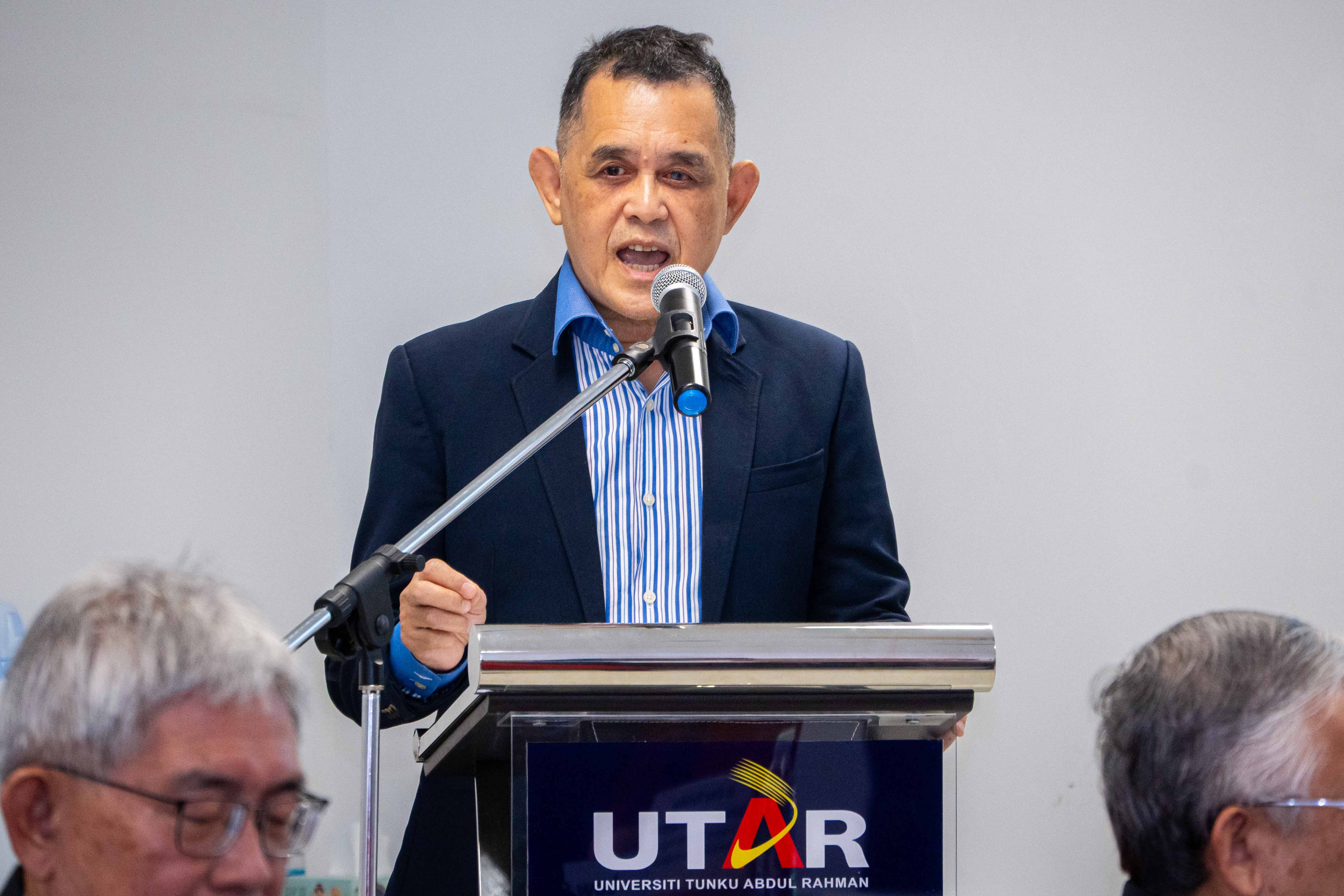
Mr Fong
Mr Fong described the MoU as the beginning of a meaningful journey that brings together global research expertise, academic knowledge and local industry capability to transform agricultural practices. He expressed confidence that the partnership between SAGC, UTAR and PLI would translate research breakthroughs into practical solutions for farmers. He noted that by combining world-class research with local expertise and implementation, the initiative aims to introduce resilient rice varieties and modern farming approaches that will help Malaysian farmers adapt to climate challenges while improving productivity and sustainability.
As UTAR continues to expand its international research partnerships and strengthen industry engagement, this collaboration with SAGC and PLI reflects the University’s commitment to advancing impactful research that addresses real-world challenges. By combining scientific excellence, industry expertise and international cooperation, the initiative highlights how universities can contribute meaningfully to building resilient food systems and sustainable agricultural futures.
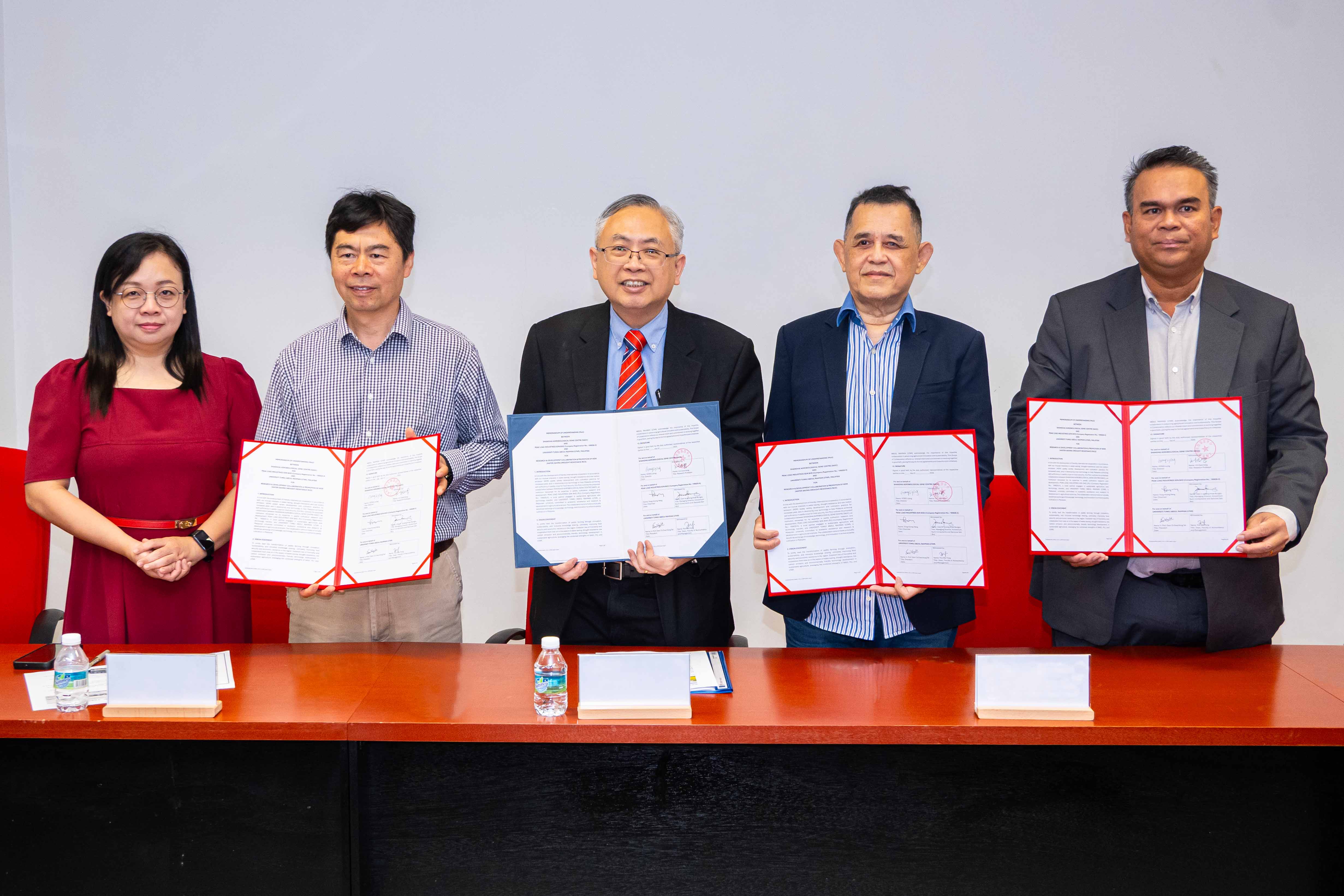
From left: Dean of Faculty of Accountancy and Management Assoc Prof Dr Pok Wei Fong, Prof Dr Liu, Prof Dato’ Ewe, Mr Fong and Dato’ Ir Janang Anak Bungsu with the signed MoU
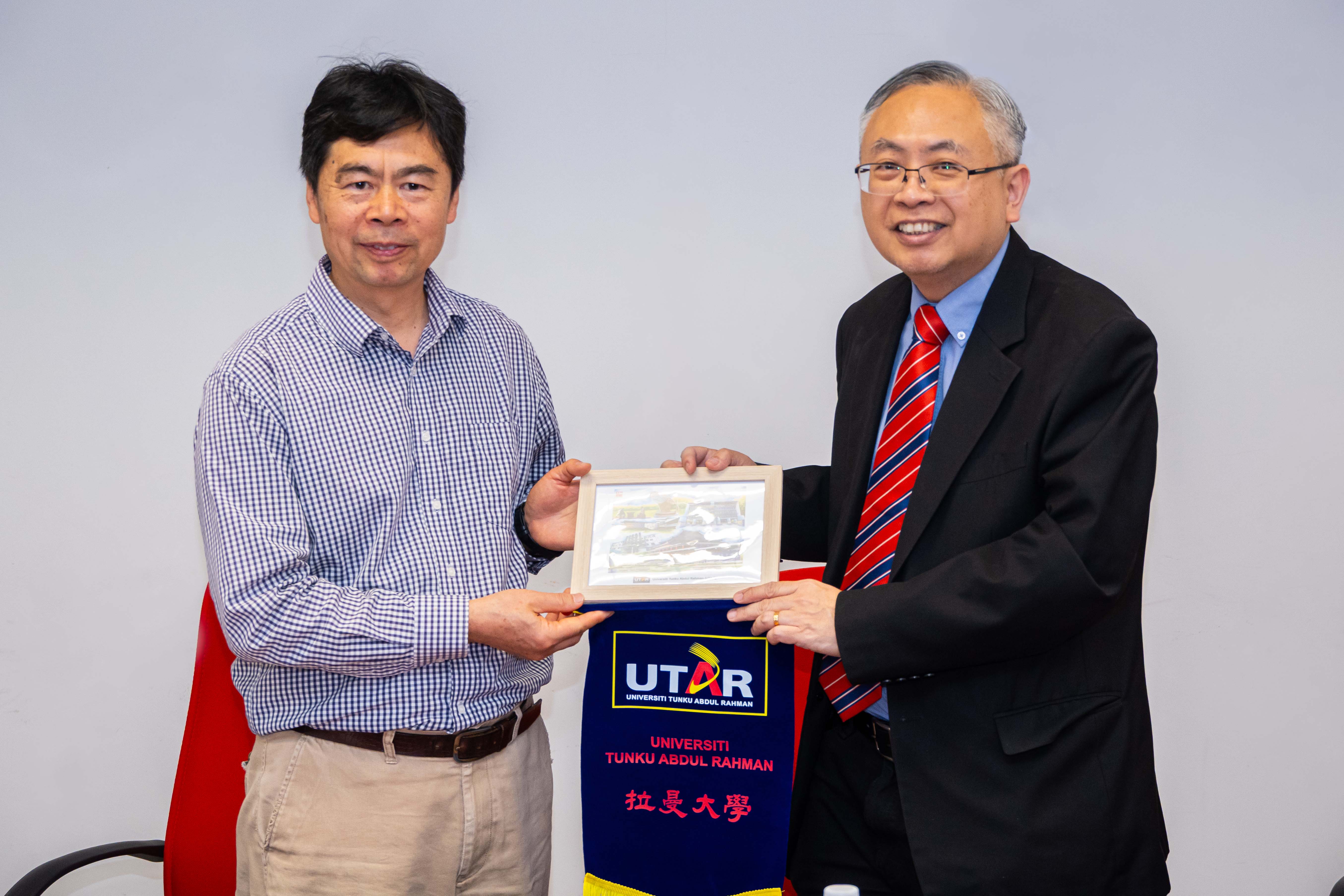
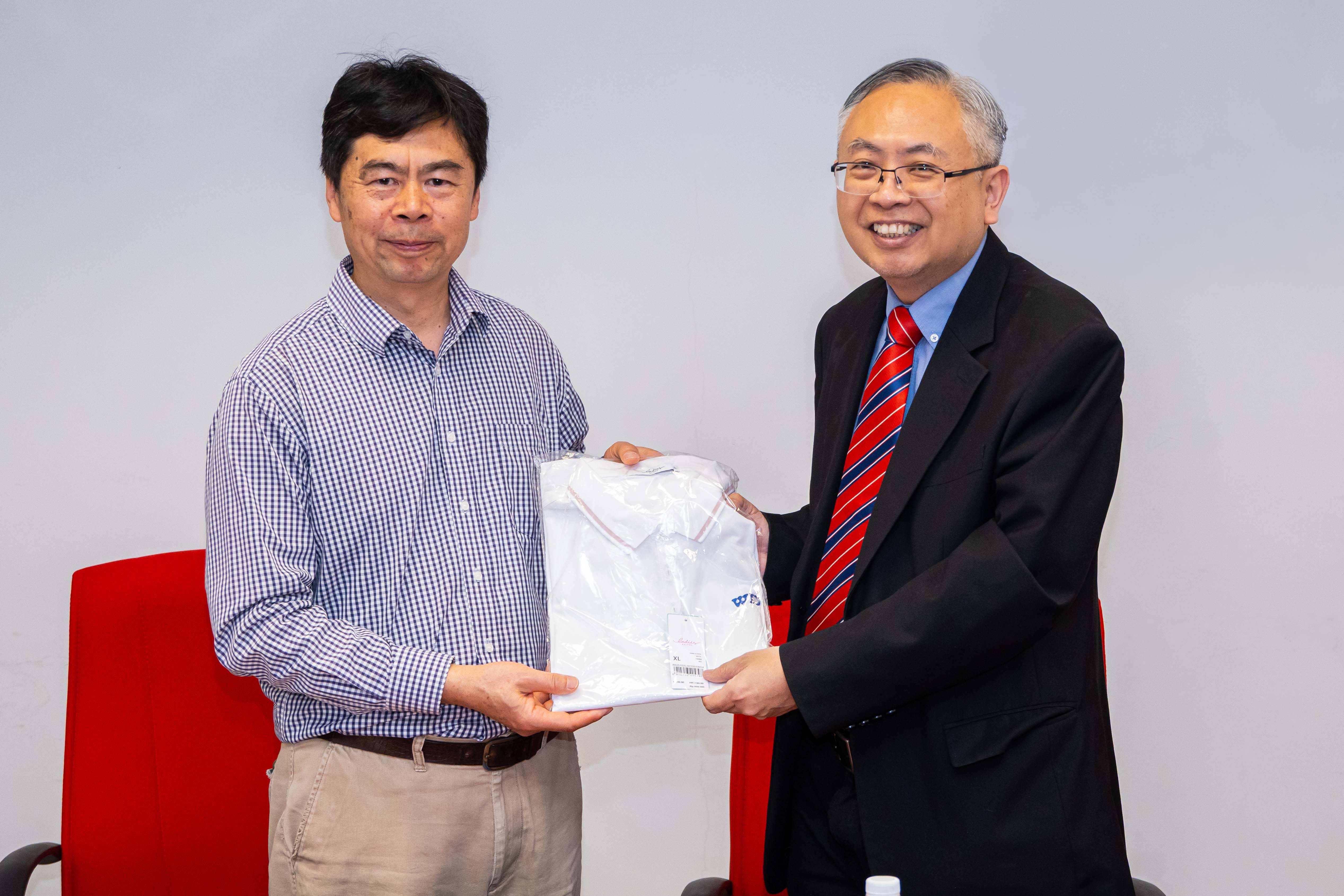
Prof Dato’ Ewe (right) exchanging token of appreciation with Prof Dr Liu (left)
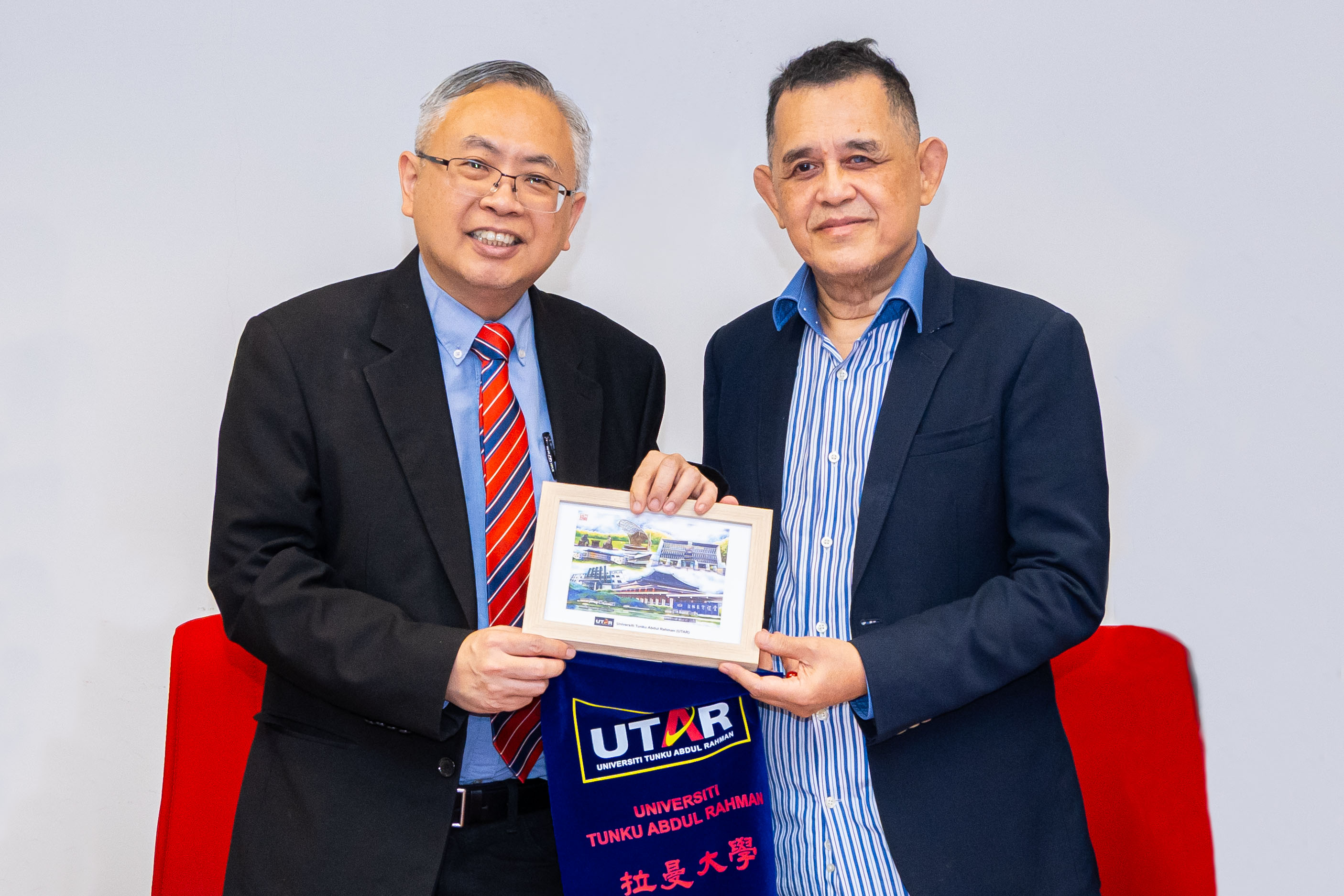
Prof Dato’ Ewe presenting a token of appreciation to Mr Fong
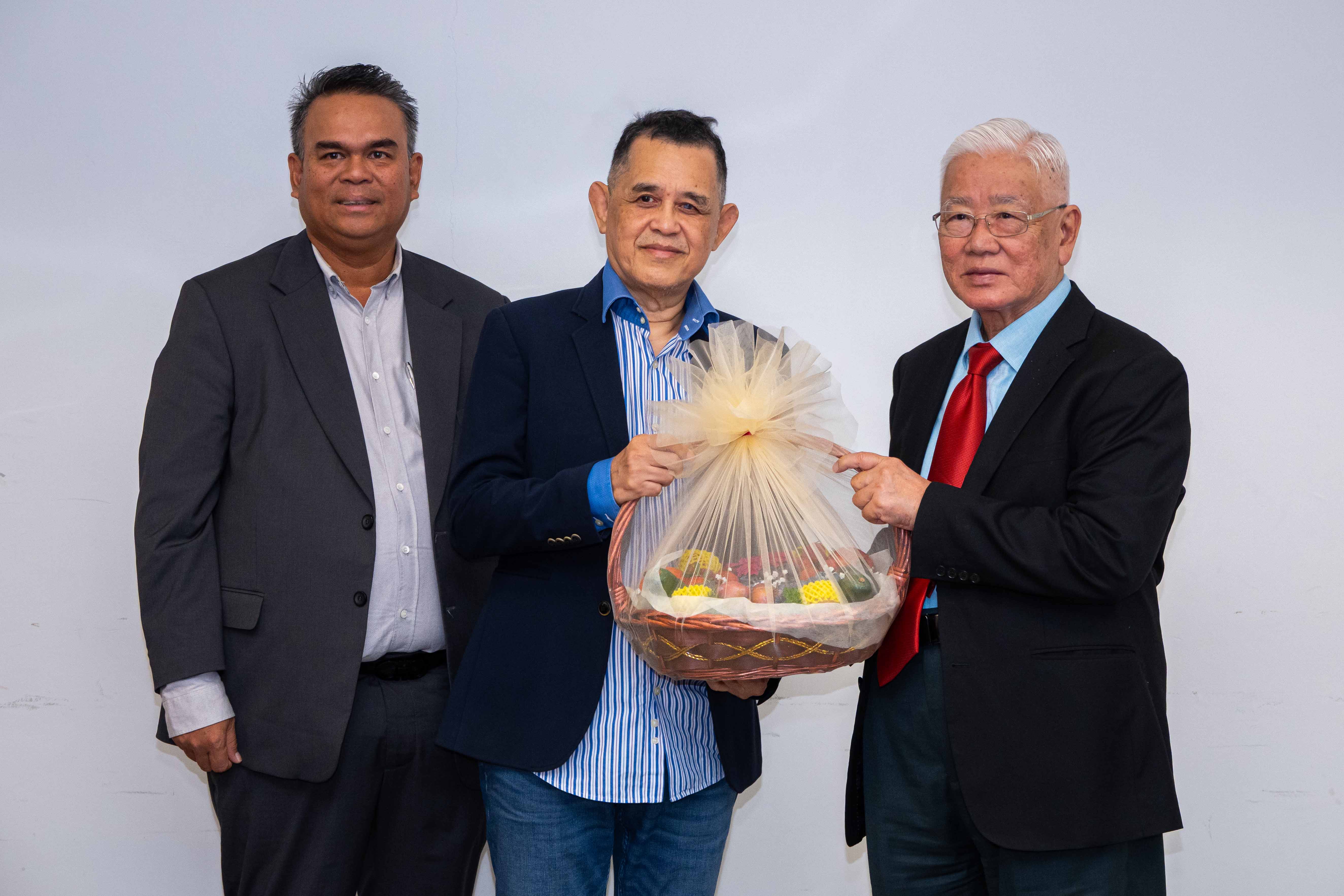
From left: Dato’ Ir Janang, Mr Fong and Tan Sri Dato’ Wong
© 2026 UNIVERSITI TUNKU ABDUL RAHMAN DU012(A).
Wholly owned by UTAR Education Foundation (200201010564(578227-M)) LEGAL STATEMENT TERM OF USAGE PRIVACY NOTICE